
Experience the Map of Wonders
Molise, Italia
What to do in Molise
Results ( 25) for: " Molise, Italia"
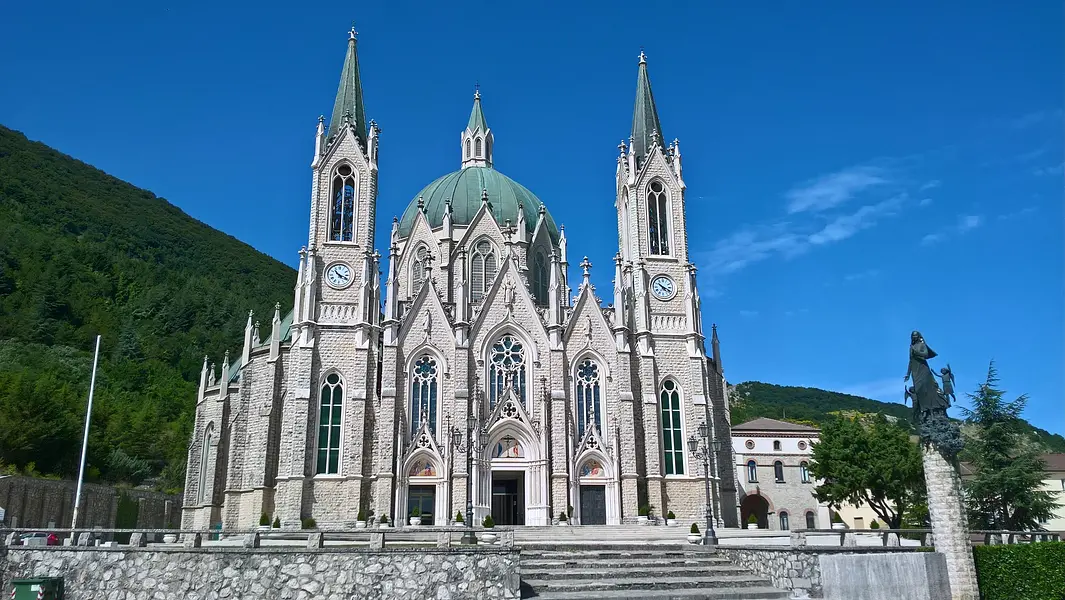

Shrine of Our Lady of Sorrows in Castelpetroso
The history of the Shrine begins on March 22, 1888, the day the Virgin first appeared. Today, in addition to visiting the Basilica, it is possible to walk the Way of the Cross that reaches that place.
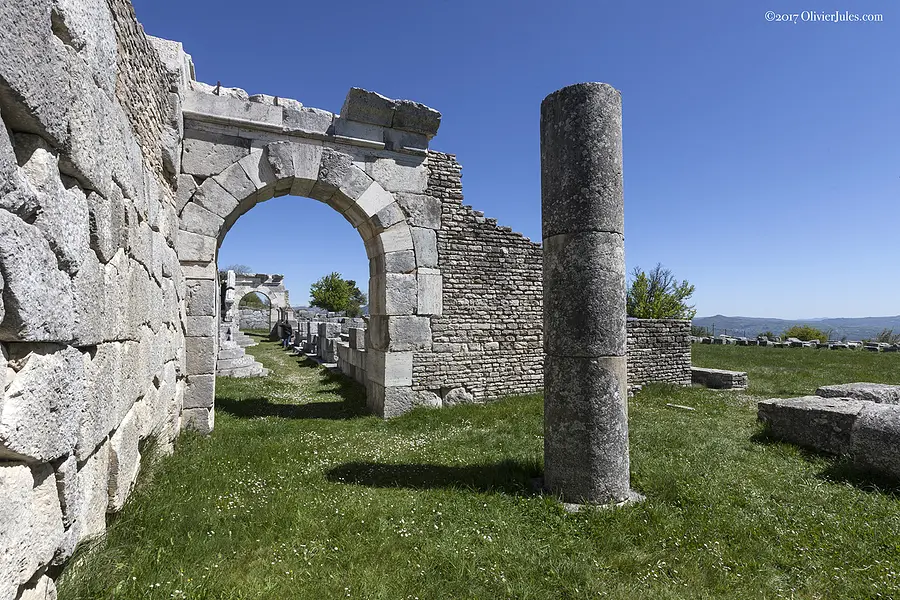
Theater and Italic temple of Pietrabbondante
A sacred area that, because of its architectural features and monumentality, is the most important archaeological evidence of the culture of the Italic Samnites Pentri people.
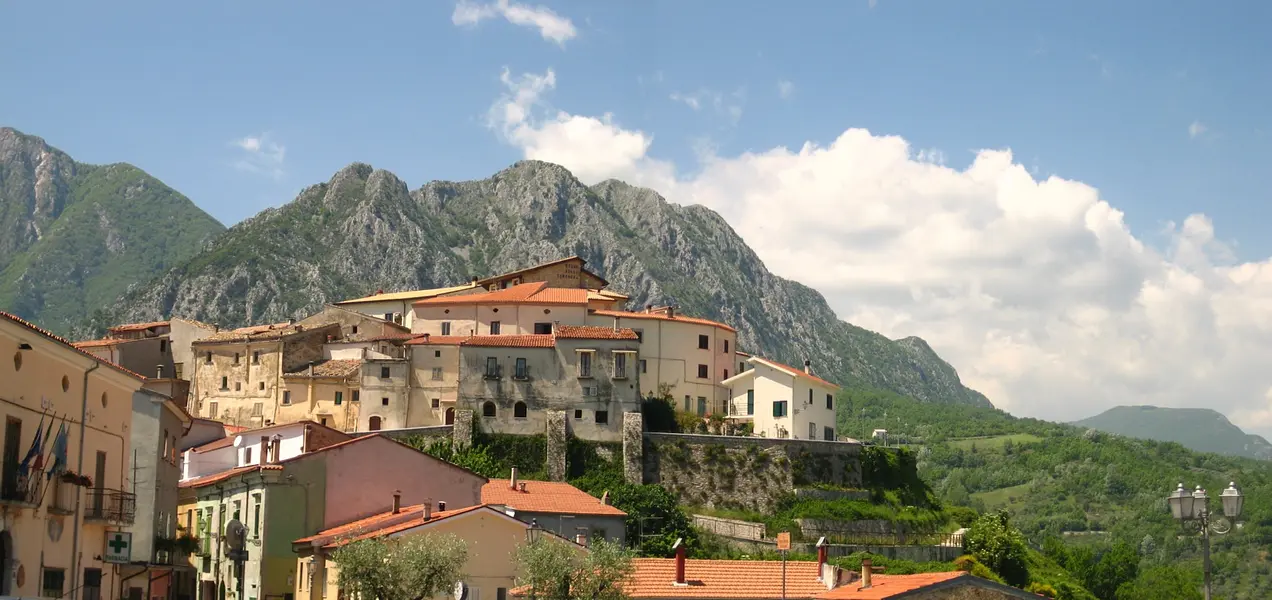
The village of Scapoli and the Bagpipe Museum
Scapoli is the "Capital of the Bagpipe," one of the few towns in Italy where, along with the presence of skilled craftsmen, the ancient art of making this folk instrument survives.
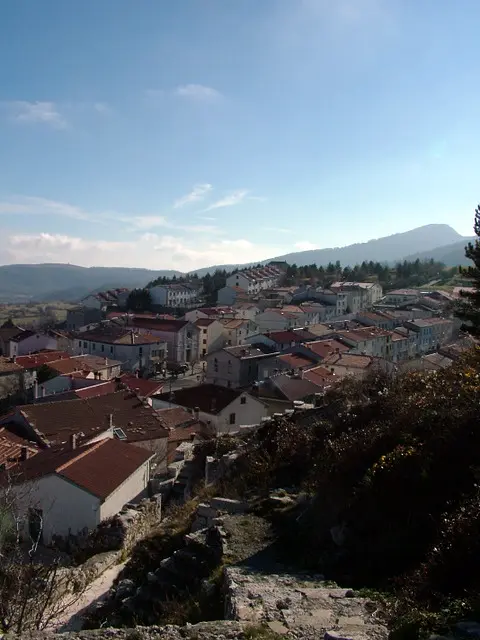
Pescopennataro, the land of fir trees and stone
Birthplace of master stonemasons, surrounded by spruce forests, Pescopennataro is best known for its natural heritage characterized by hiking trails!
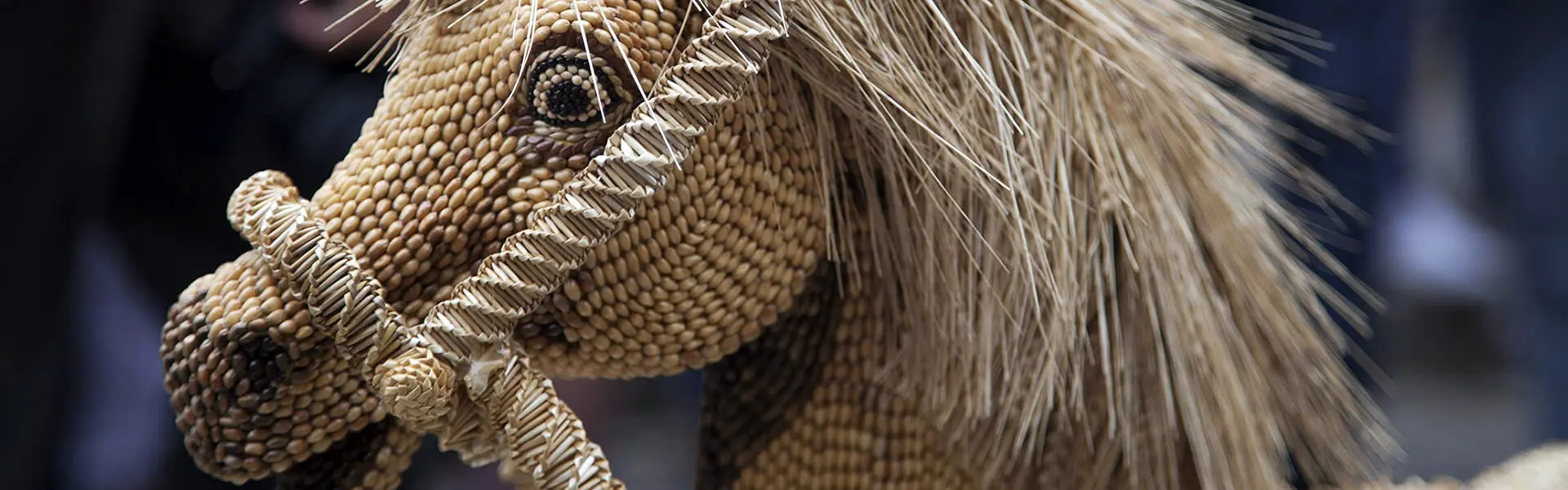
The Wheat Festival and its Museum
Molise traditions: when grain becomes art
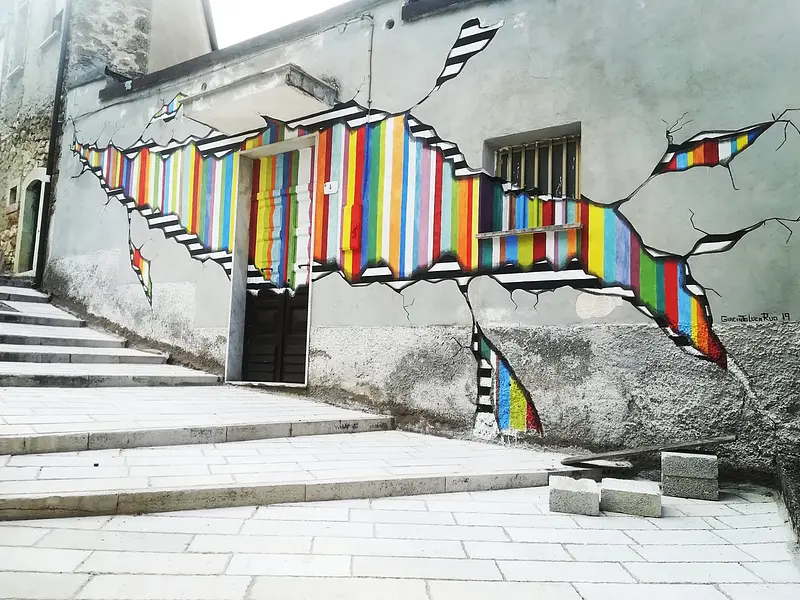
AMoCe - street art in the village of Cerro al Volturno
An itinerary of modern art to enter the heart of a village characterized by the presence of the Pandone Castle, a fortress that dominates the whole area with its grandeur.
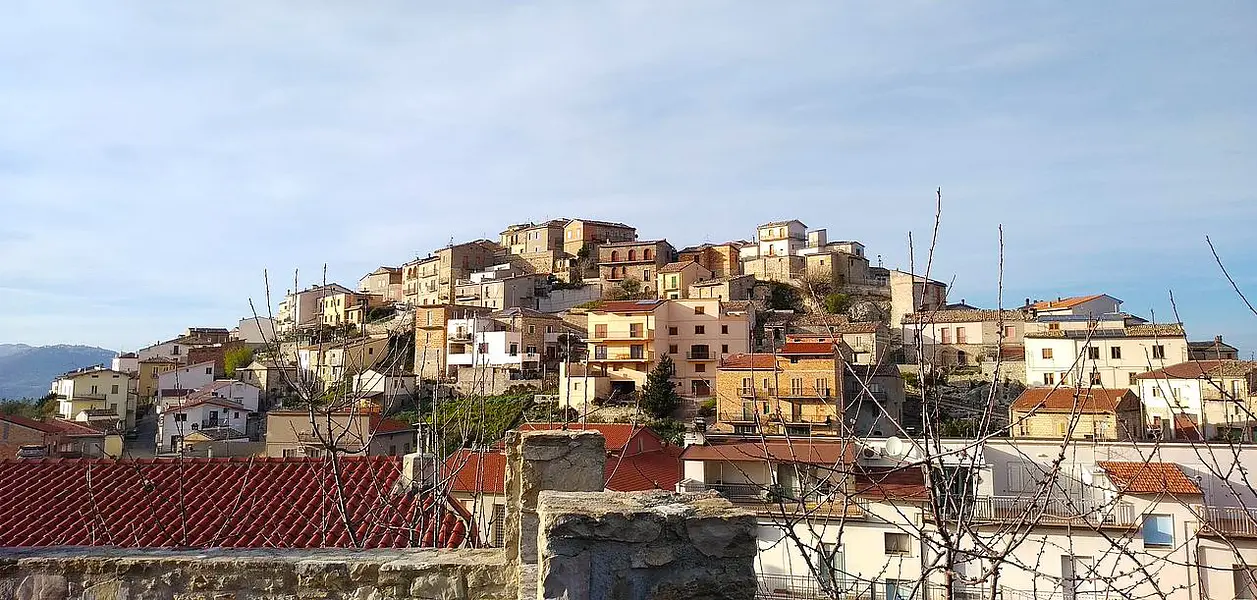
Montemitro and the Molisian Croatian minority
The village that lives "its own way"
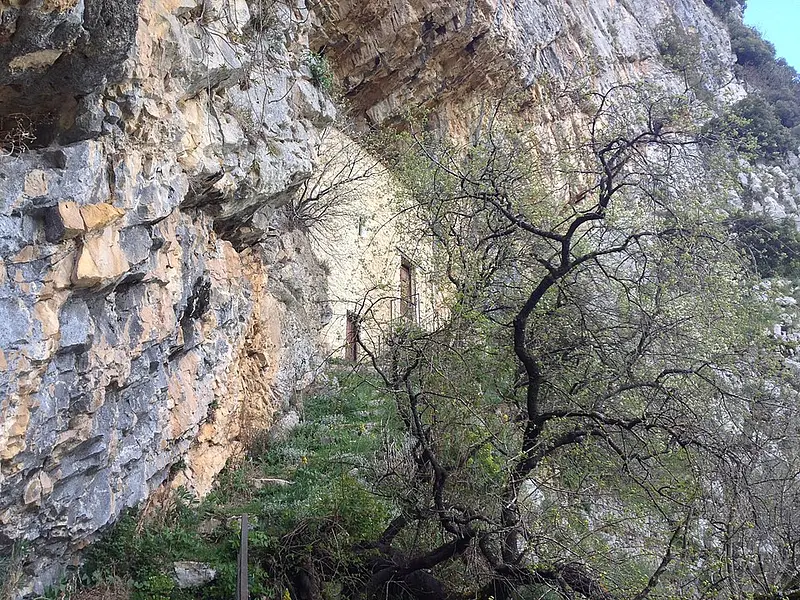
Hermitage of St. Michael the Archangel
Set among the rocks of Mount St. Michael, the Hermitage was founded by Benedictine abbots around 1027. It can only be reached via a trail in the National Park area.
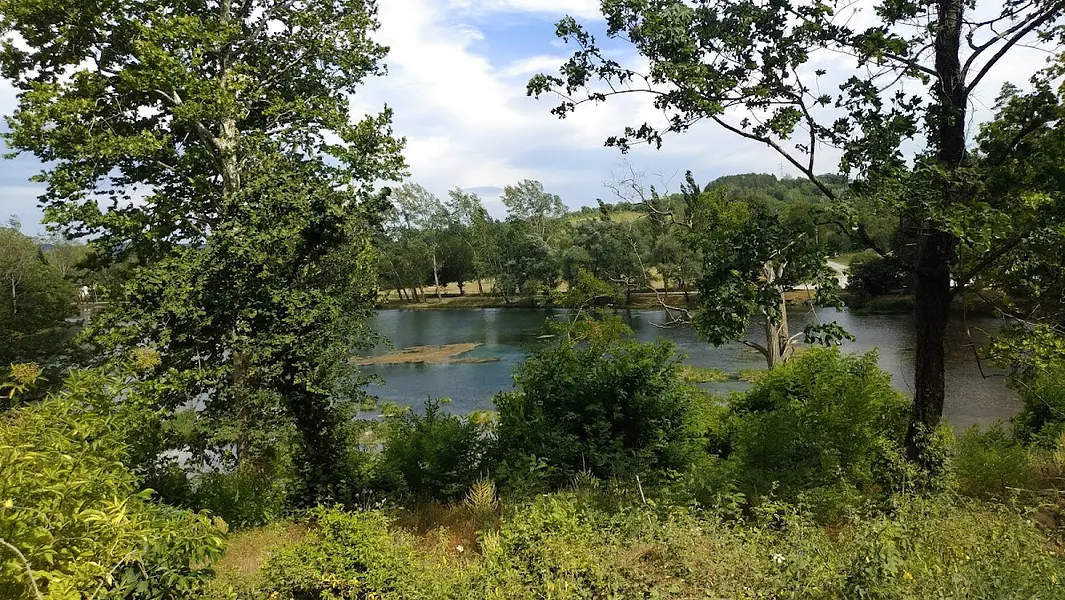
Sources of the Volturno River
The beginning of the longest river in central southern Italy, the Volturno, which can still be admired here in its original course. A place of great naturalistic impact.
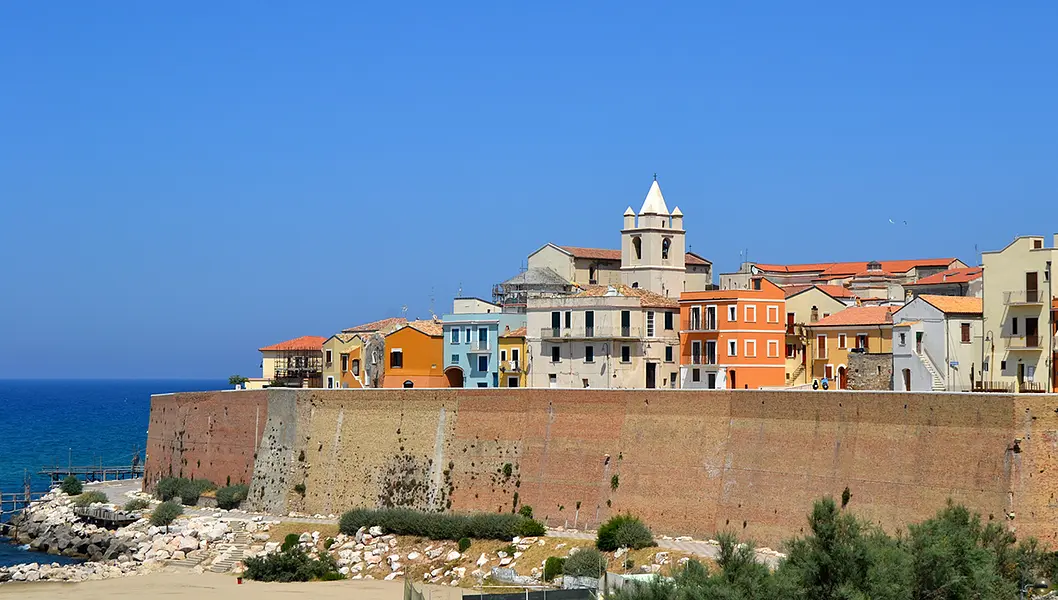
The castle and walls of Termoli
The fortified village overlooking the Adriatic Sea
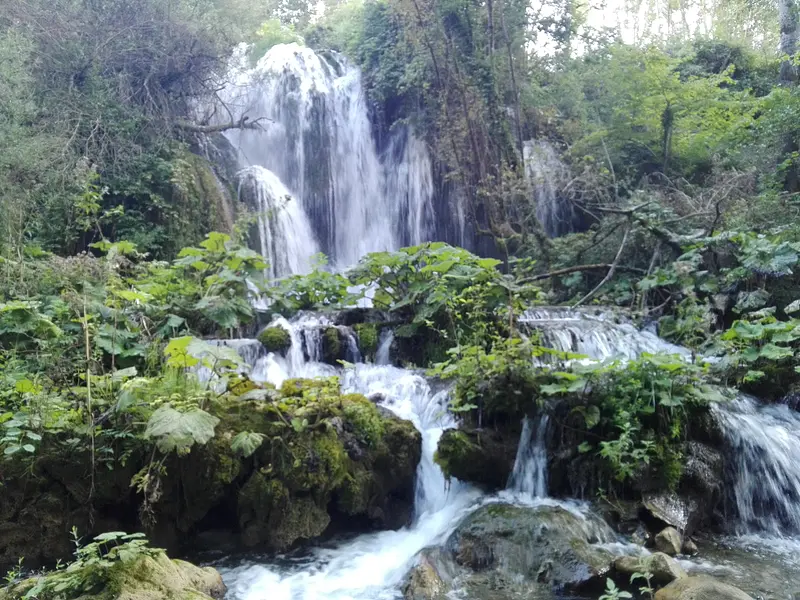
Volturno Falls
A magical place where one can feel all the indomitable force of nature and of this river that with its perpetual flow has helped shape the surrounding area.
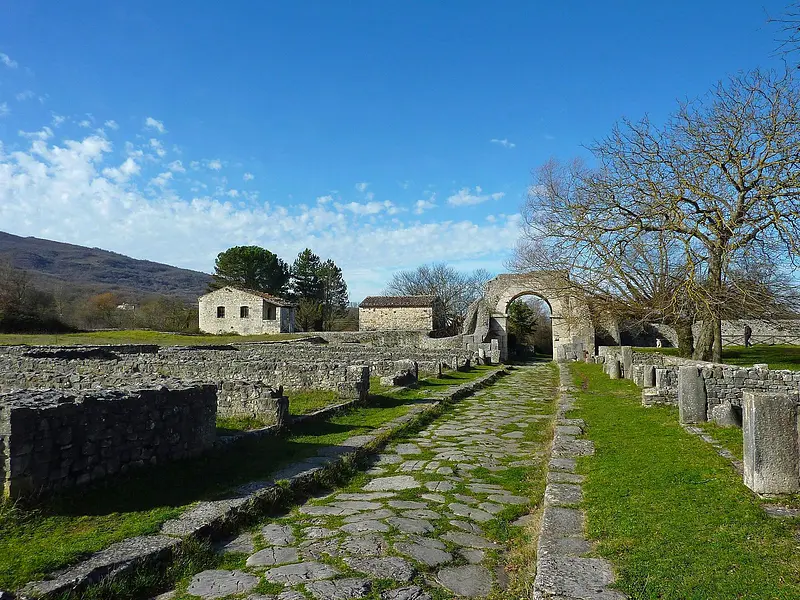
Altilia Saepinum
A forgotten but not too forgotten archaeological site