Solano, a Rural Interlude between the Sea and Aspromonte
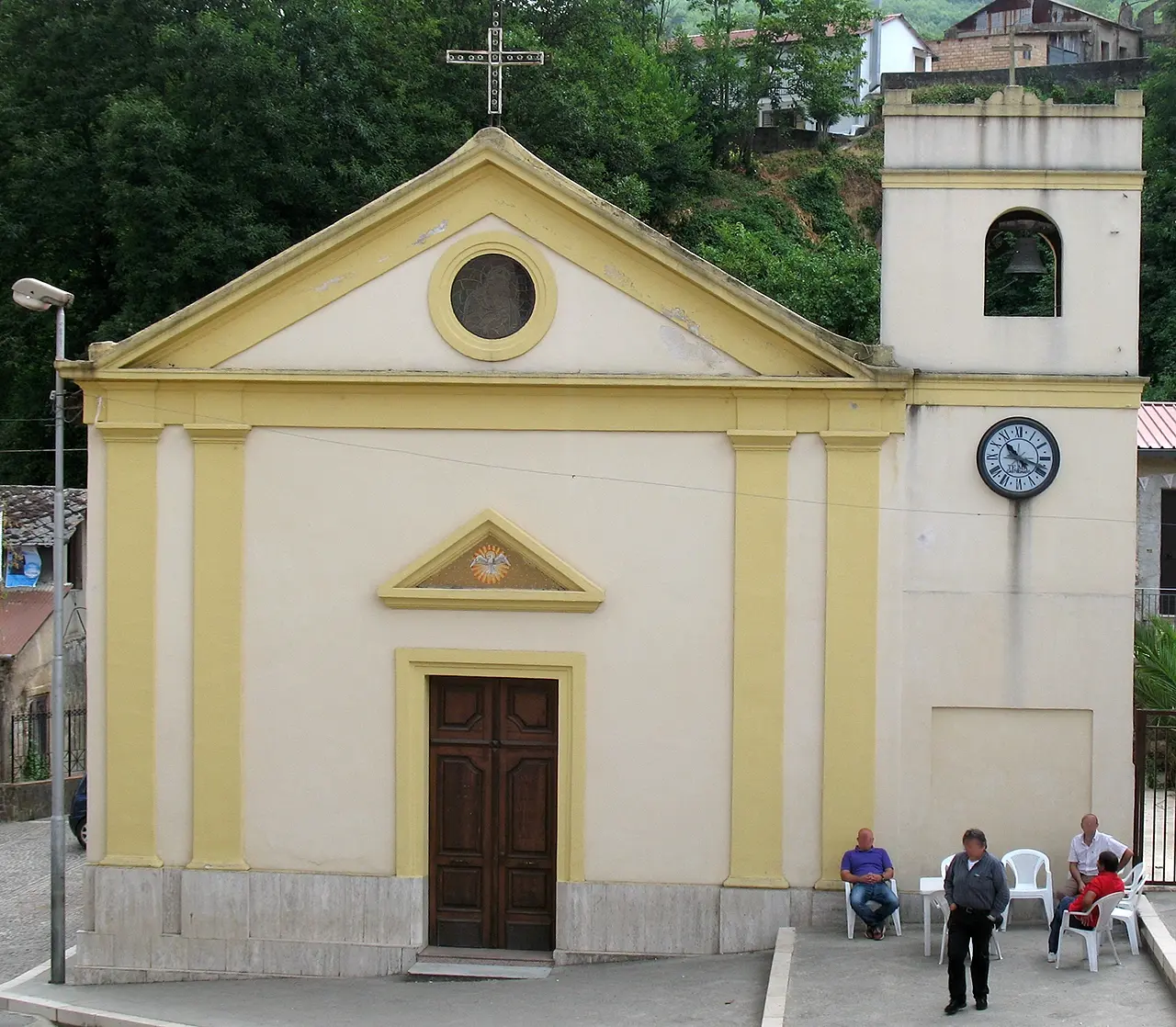
Divided between Scilla and Bagnara, the two hamlets of Solano share a rural landscape rich in old-time flavours.



Where

Solano: where is the hamlet at the foot of Aspromonte
Solamini was the name of the municipality that originally united today's hamlets of Solano Superiore and Inferiore, now under the jurisdiction of Scilla and Bagnara Calabra respectively. The most direct way to reach them is by the provincial road that climbs from Bagnara toward Sant'Eufemia d'Aspromonte, making up for some hairpin bends with increasingly sweeping views of the Strait. In the long run it would join the old state road 3 "Aspromonte-Jonio," on the uphill stretch now approaching Gambarie. More than recommendable outing, except that the 600 meters or so of Solano Superiore already offers an evocative preview of the quintessential Calabrian mountain. Small communities of farmers, shepherds and woodcutters who, despite heavy emigration throughout the twentieth century, still offer a genuine image of inland Calabria that has nothing to do with seaside socialites.
The territory and traditions
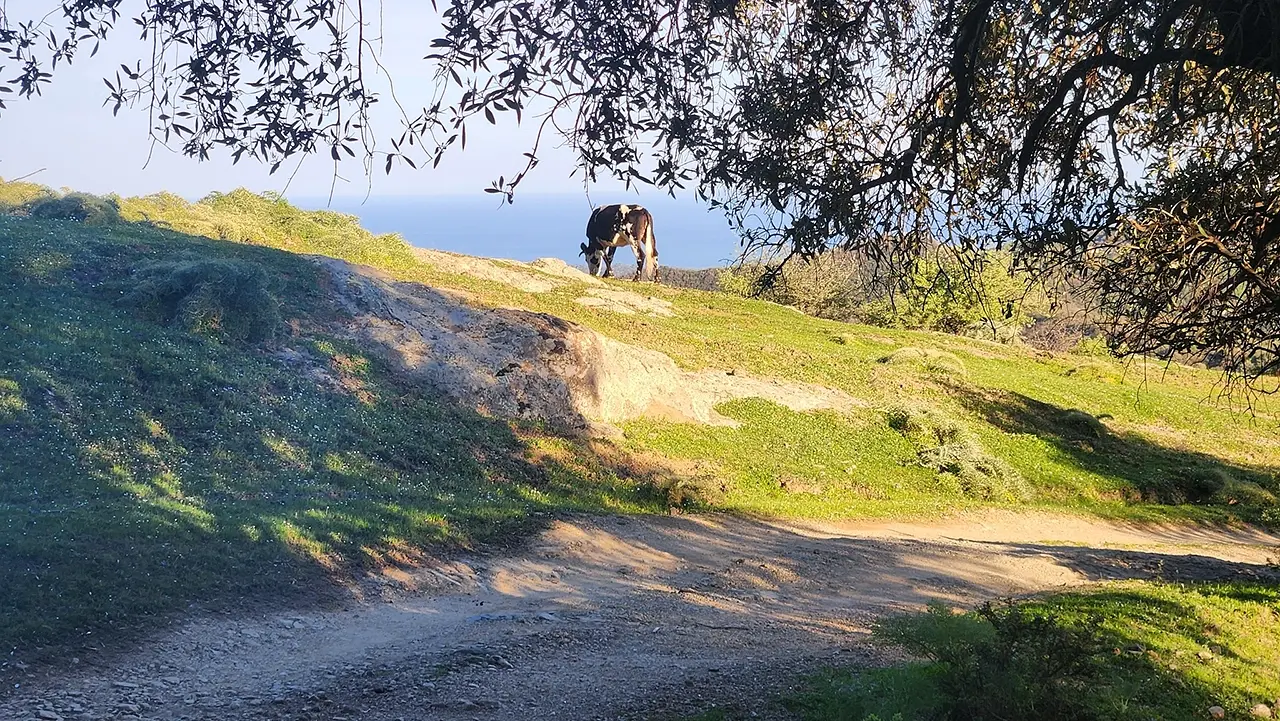
The territory is divided into several hamlets - or districts as they are locally called - with names evocative of an ancient rurality - Runci, Scarinci, Tagli, Pagliari - while further on, toward the Aspromonte Plains, lies Aciarello. It is a mid-mountain agriculture, in which olive trees still play an important role in the mosaic of vegetable gardens-potatoes and beans, the most favored products-in a setting of pastures, therefore of ricotta and pecorino cheese. A quiet country life, which nevertheless has a jolt in mid-July for the patronal feast, also attended by many returning Solanesi. Carried in solemn procession to the Piani d'Aspromonte the Madonna del Carmine, it is a big party in a setting of rare gastronomic intensity.
A bit of history: Garibaldi's Thousand.
As secluded as it is, this corner of Calabria has also been touched by great history since the Hellenic-Roman age, particularly at the time of the Via Popilia, which connected Capua to Reggio via Scilla. The most compelling story, however, is that of Palo De Flotte, a Garibaldian serving with the Thousand with the rank of colonel. Having landed on the night of August 21-22 on the beach of Favazzina, De Flotte advanced inland, clashing, precisely at Solano, with a division of Neapolitan hunters. And here he fell, "fighting so that in Italy the right of the people might triumph," as we read on the memorial stone that commemorates him here: a cue for a variation on the usual tour going up Aspromonte to the memorial of Garibaldi's far more celebrated wounding.
Enter the Map of Italy's Hidden Wonders and find treasures where you least expect it... Inspire, Recommend, Share...
Collections
The Map thanks:
Scilla, dove peschiamo sorrisi – Comune di Scilla – PNRR Ministero della Cultura M1C3, Mis. 2, Inv. 2.1 “Attrattività dei borghi storici” – Finanziato dall’Unione europea, NextGenerationEU – CUP: F79I22000150006 – CIG B8DCA761AB

Enter the Map of Italy's Hidden Wonders and find treasures where you least expect it... Inspire, Recommend, Share...