
Scilla: the Marina Grande
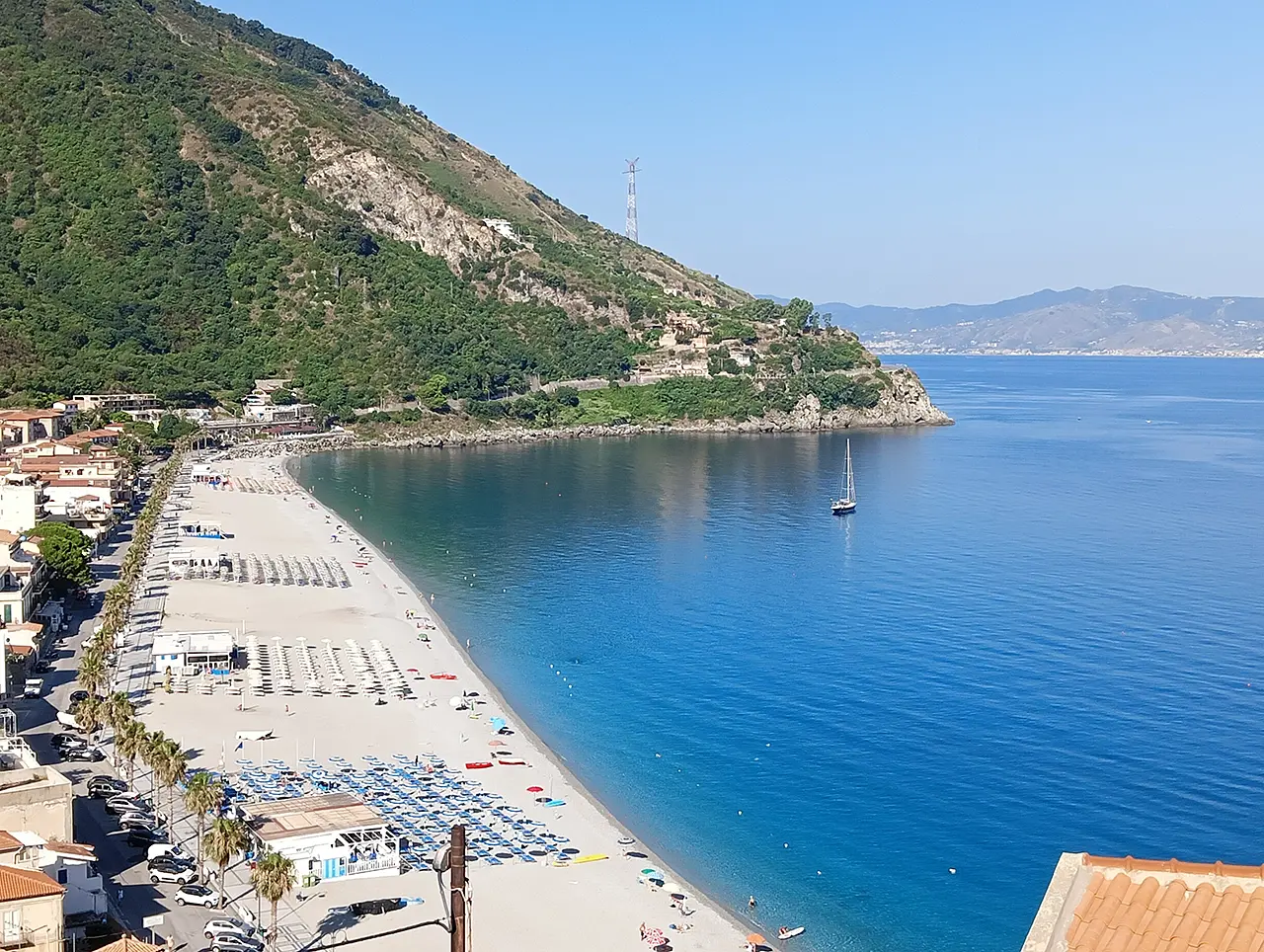
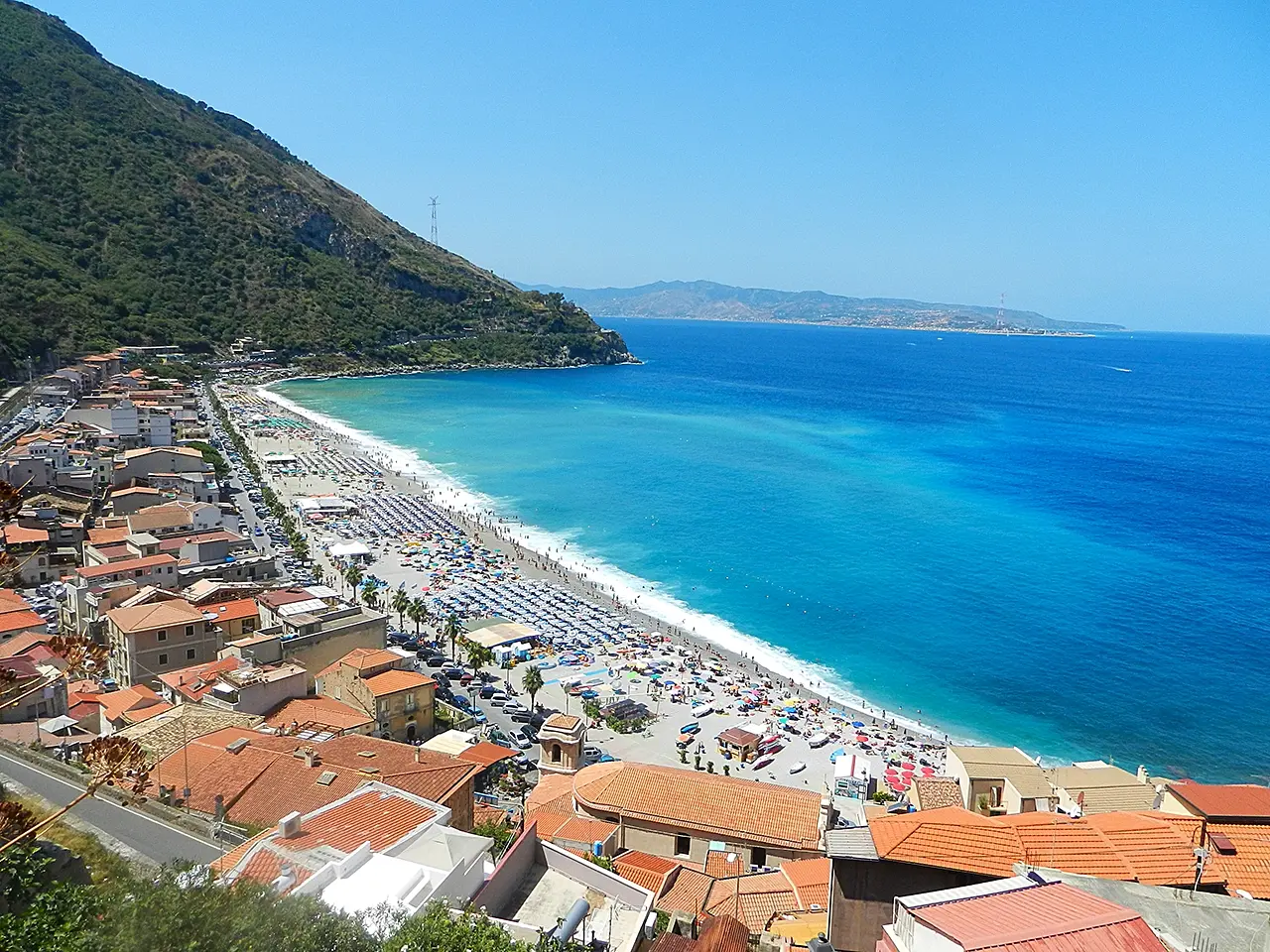
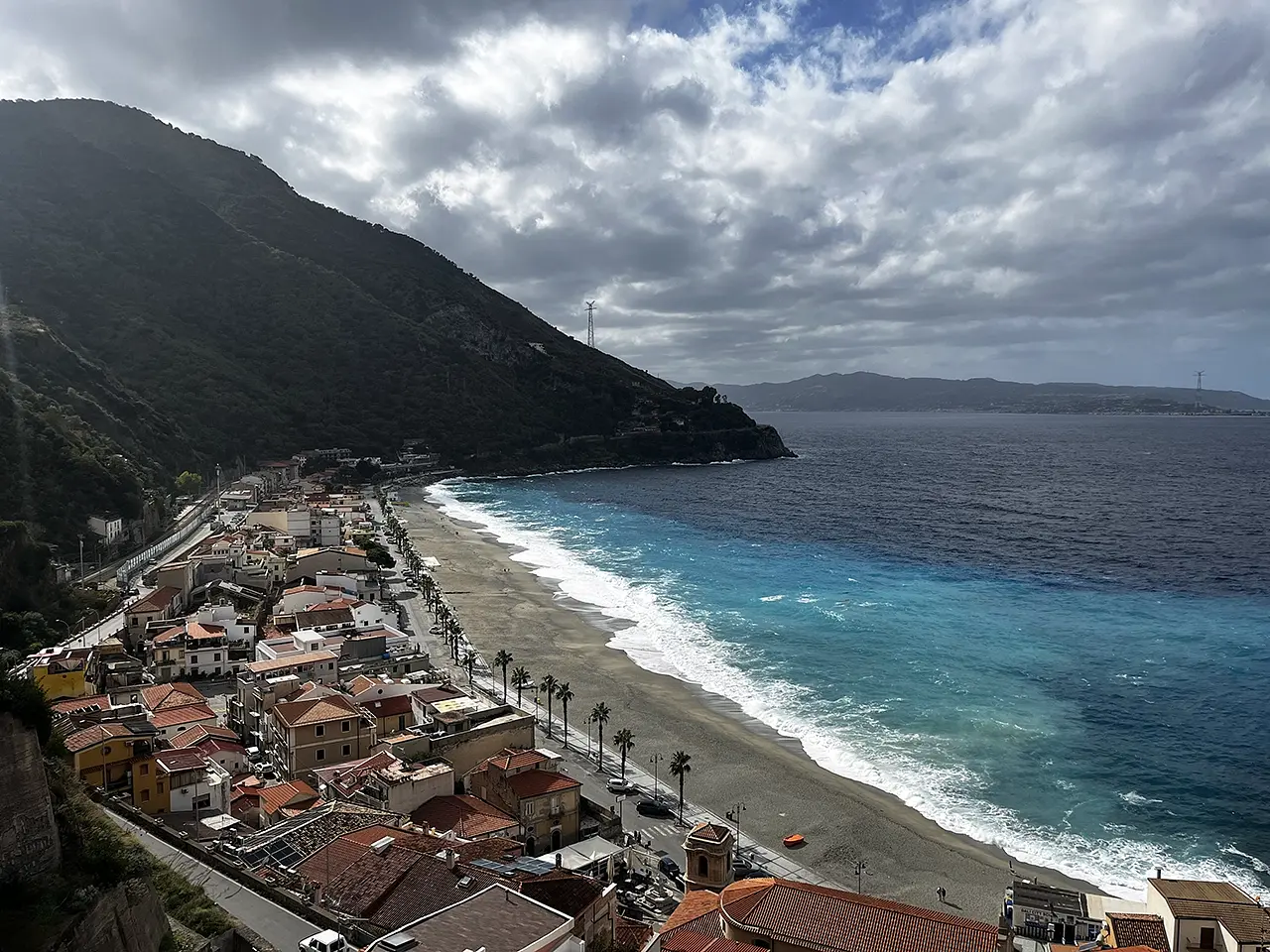
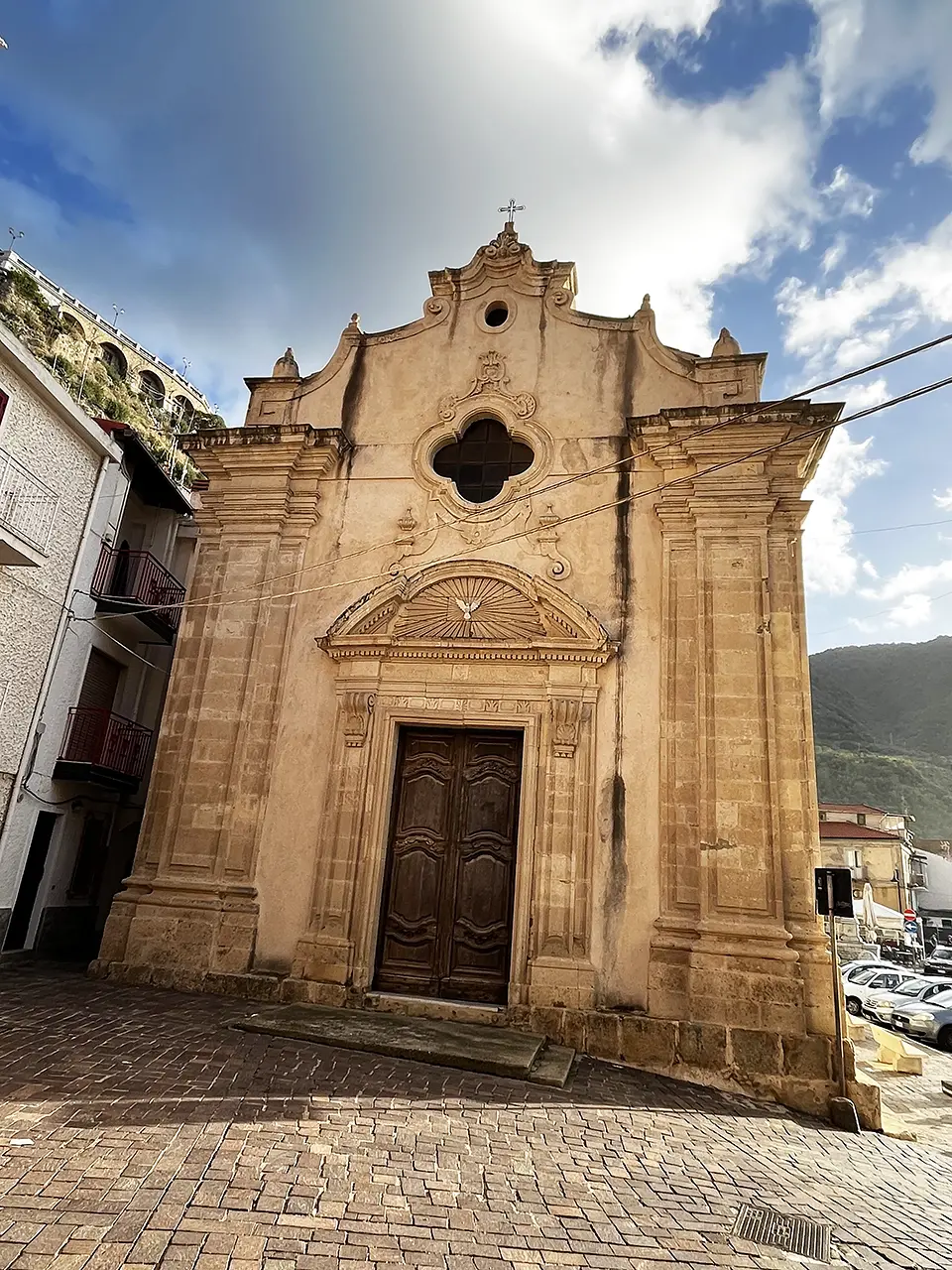
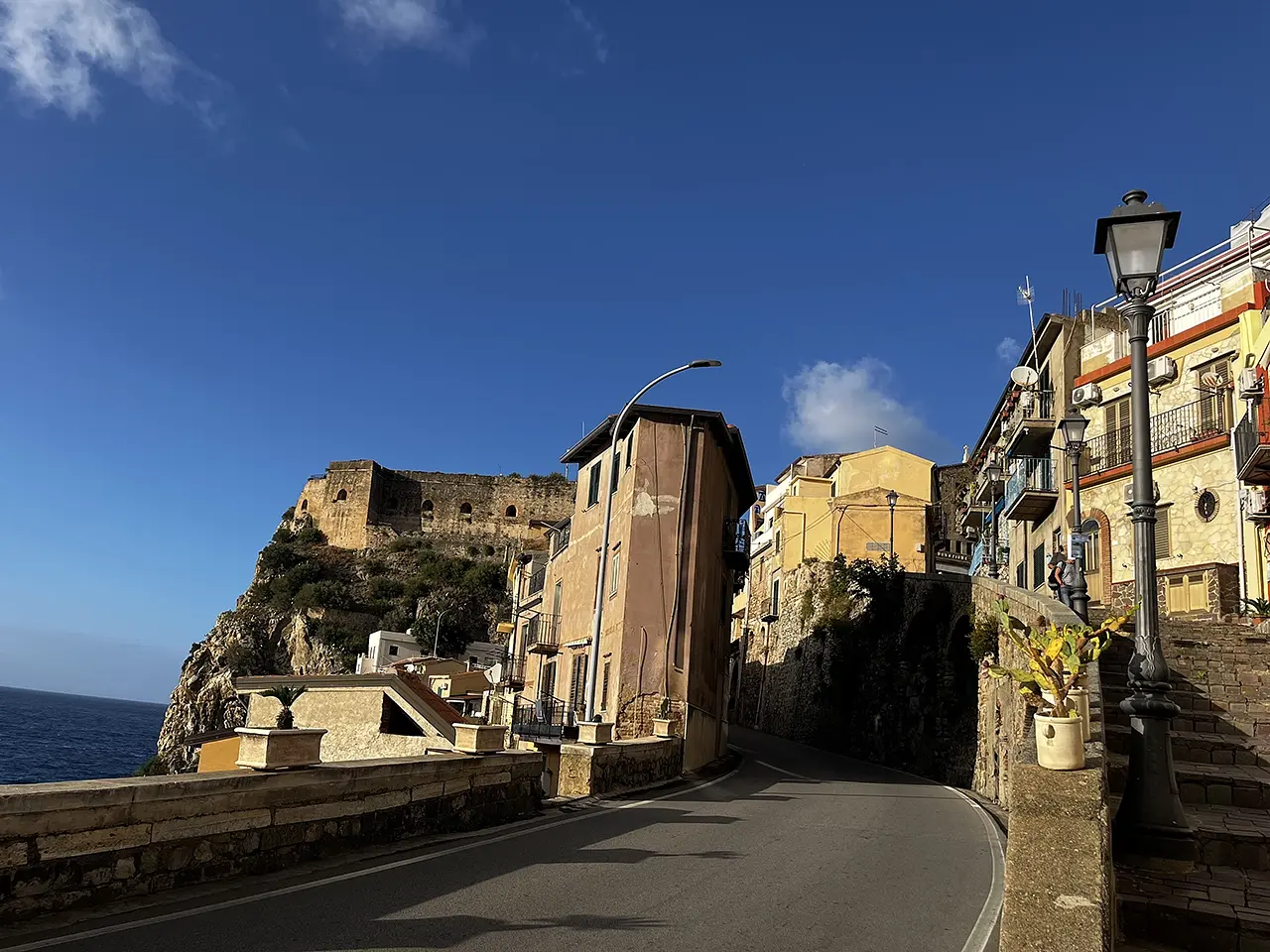
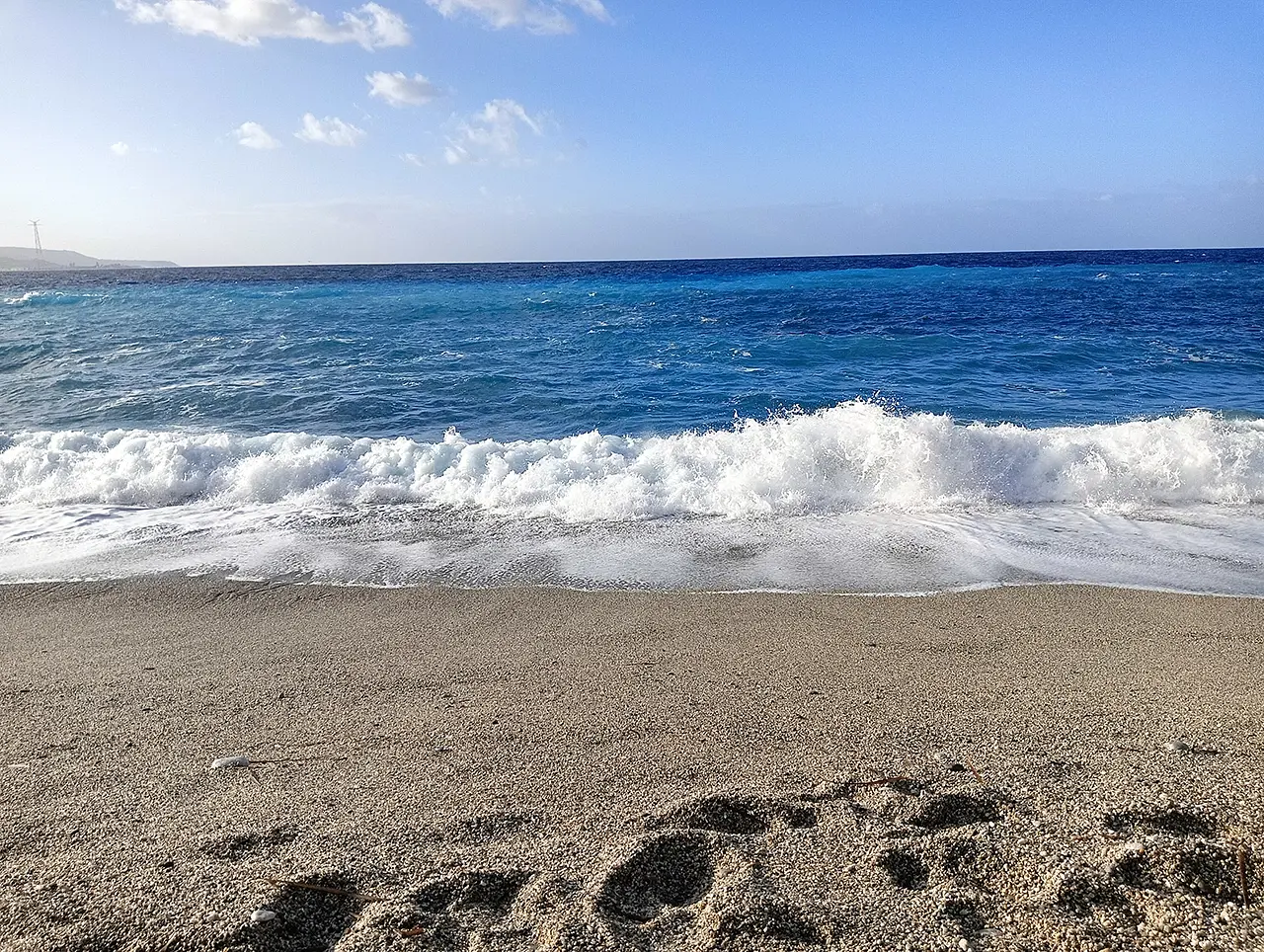
West of the promontory, Marina Grande stretches along the beautiful Sirens Beach, around the Church of the Holy Spirit. Once linked to fishing, it is now Scilla’s seaside quarter.


Where

Marina Grande: the ancient fishing village.
On the west side of Scylla's promontory, the Strait current has formed a long, hawkish beach. Let's try to imagine the years when fishermen pulled their boats ashore every night by force of arms, and their voices as they set sail one of those semi-circular seines to catch anchovies. This is suggested by period photos, which show how at the foot of the promontory were the shipwrights' yards with boats under construction, warehouses of goods and sheds for the necessities of going to sea. Around them over time a neighborhood of palazzetti, properly called Santo Spirito, was aggregated from the church that was built there in the mid-18th century. It used to be called Marina Grande, however, and it still is today, that the beach is a rainbow of umbrellas and the road that accompanies it a succession of bathing establishments and restaurants.
Why it's special: the beach of the Sirens
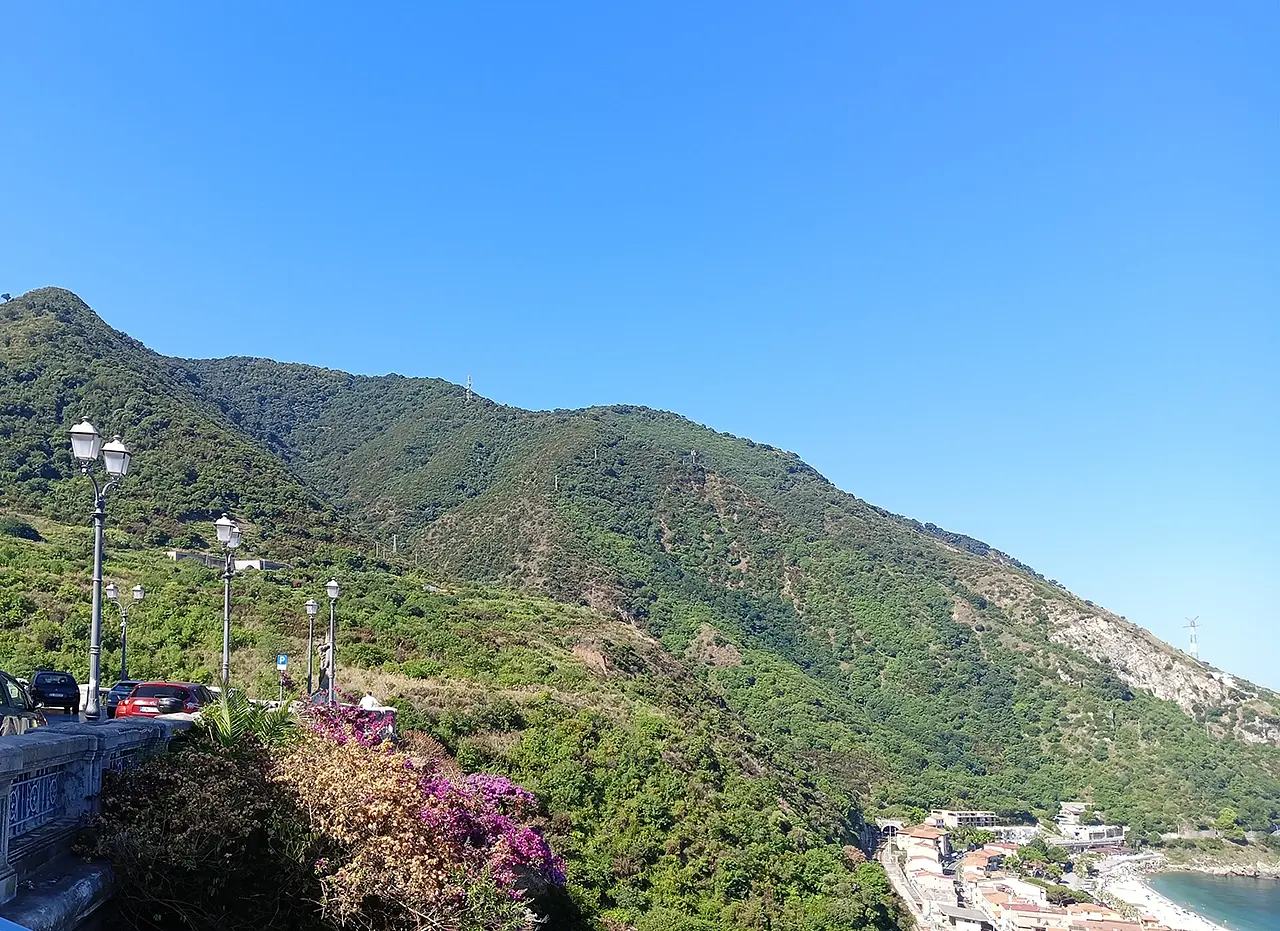
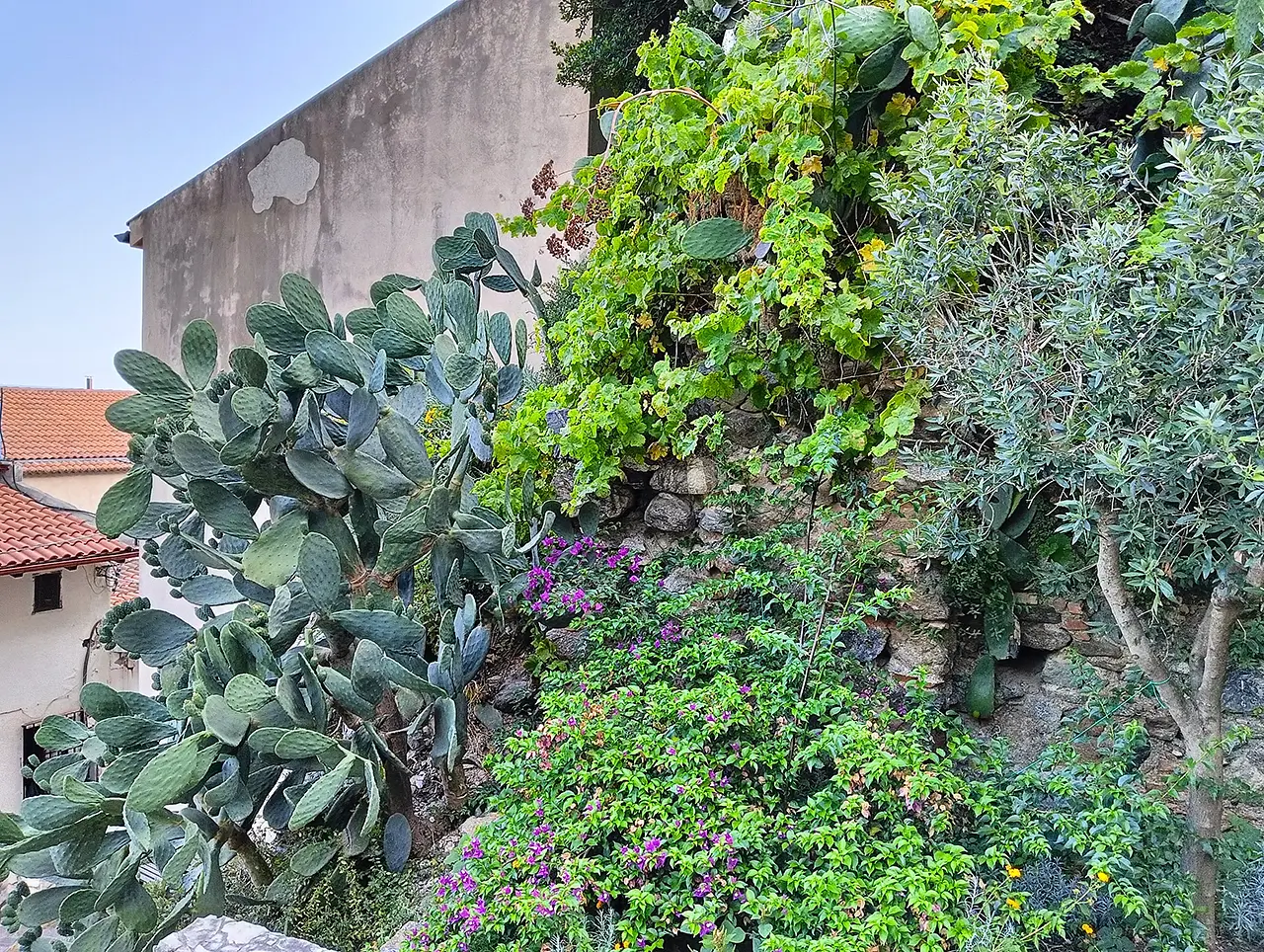
From the center of town, it is pleasant to inch your way down the steps between the houses and gardens. From above, you can catch the crystal-clear colors of the sea that correspond to the rough seabed that confirms the rocky nature of the Costa Viola. Few beaches are exceptions, such as this one: fine, golden sand with a fine gravel edge along the shoreline that tickles your feet as you descend into the water. The beach of the Sirens, an appellation coined thinking of the famous episode in the Odyssey with Ulysses tied to the mast of his ship to resist their song. There is also a semi-submerged rock that connects to the Homeric tale, although today it is cited more as a diving site. Finally, looking back, the hills of the cultivated basin and the wooded slope that soars toward Aspromonte, a setting that only Tyrrhenian Calabria can offer the sea.
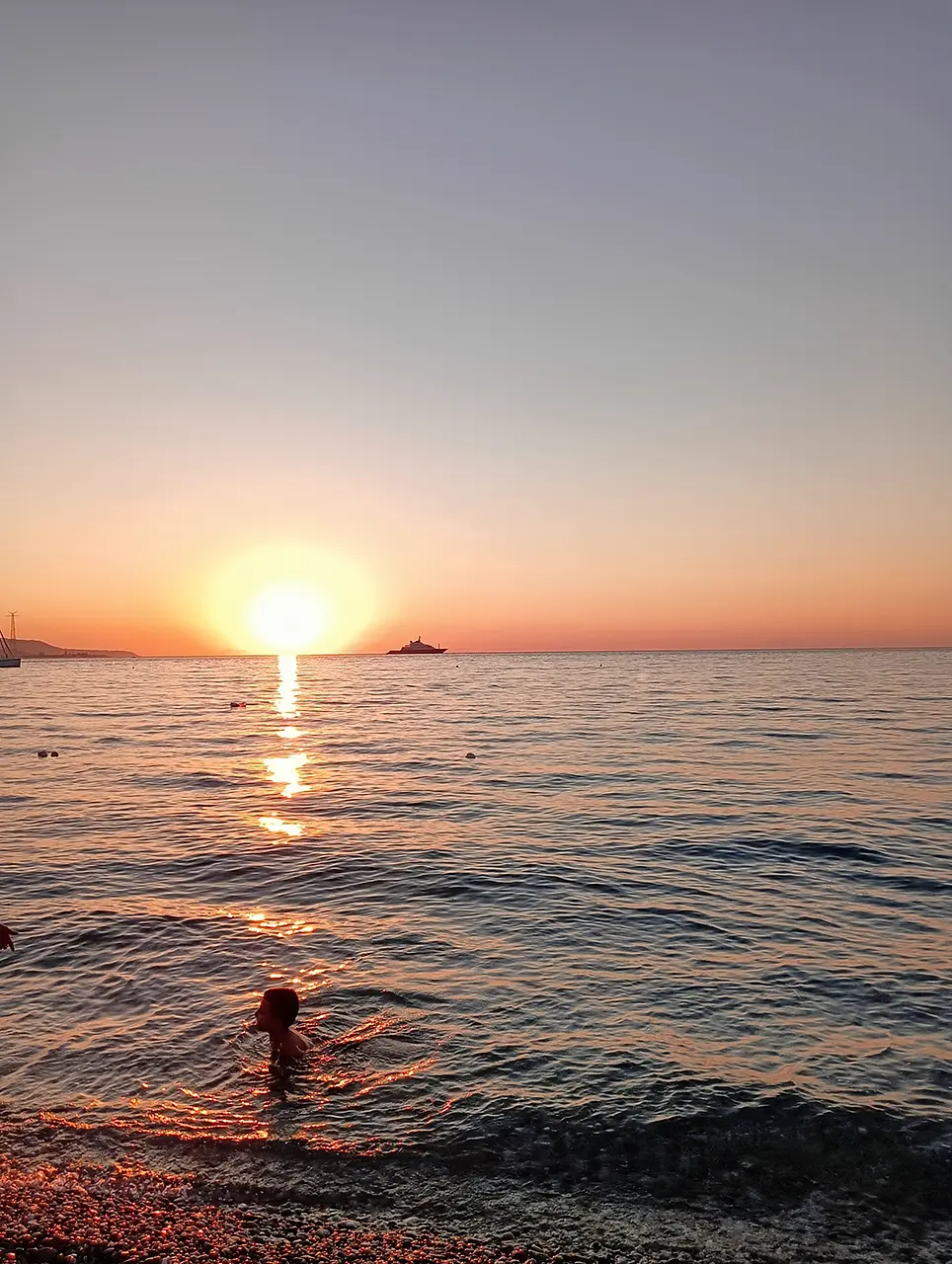
Not to be missed: the Marina Grande at sunset.
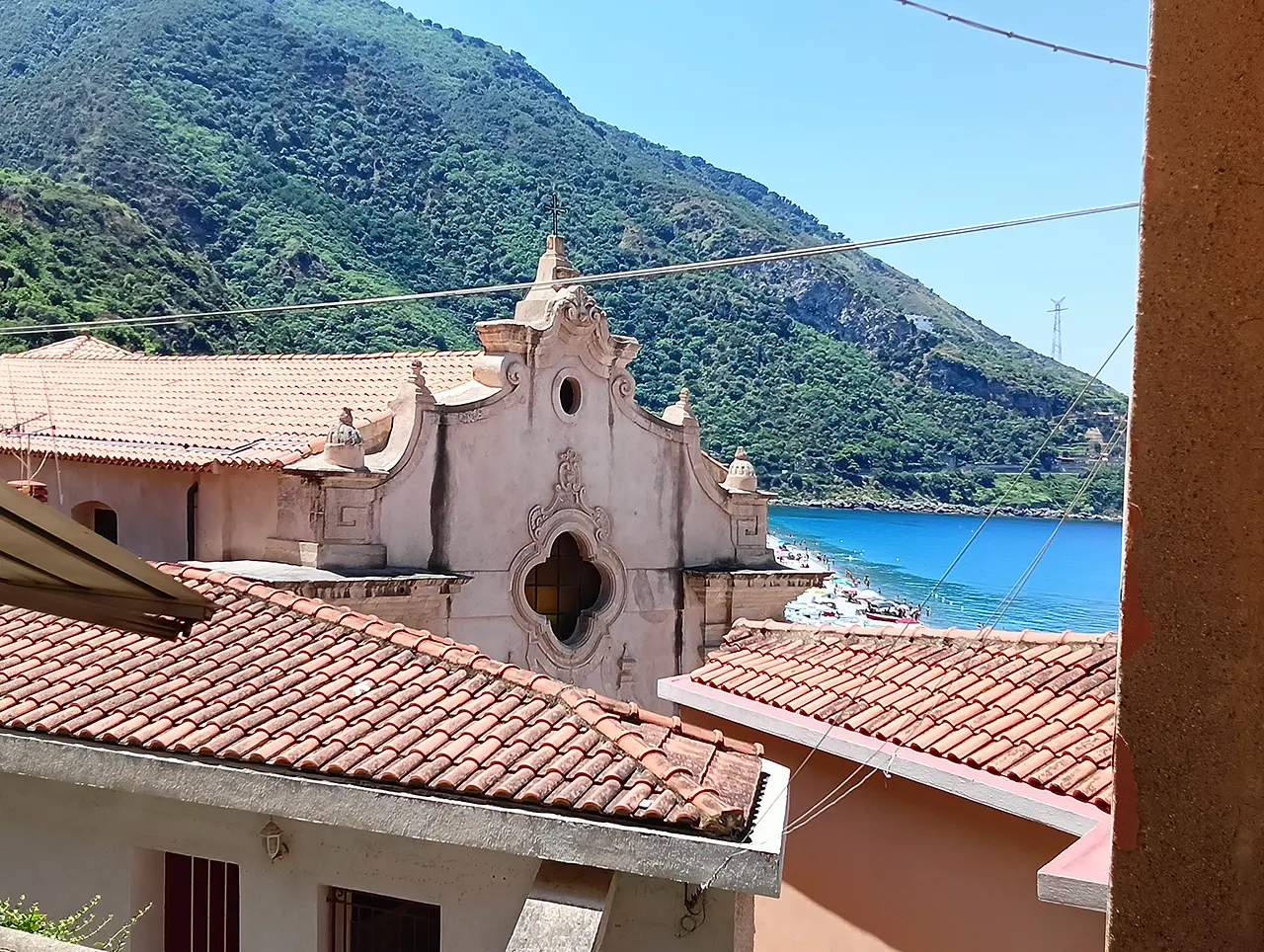
From the historic center, it is exciting to descend to Marina Grande when the sunset sets the sea ablaze and brings out the profile of the Aeolian Islands on the horizon. It is also the most evocative moment to cross the threshold of the Church of the Holy Spirit, consecrated in 1752 and surviving the two great earthquakes of 1738 and 1908; with its singular late Baroque facade it suddenly appears in a small square that overlooks the Marina. At the high altar, The Descent of the Holy Spirit, a painting donated in 1799 by King Ferdinand IV to the confraternity that ruled the church, an unmistakable sign of the relevance of Scylla's seafaring in the years of the Kingdom of Naples.
Enter the Map of Italy's Hidden Wonders and find treasures where you least expect it... Inspire, Recommend, Share...
Collections
The Map thanks:
Scilla, dove peschiamo sorrisi – Comune di Scilla – PNRR Ministero della Cultura M1C3, Mis. 2, Inv. 2.1 “Attrattività dei borghi storici” – Finanziato dall’Unione europea, NextGenerationEU – CUP: F79I22000150006 – CIG B8DCA761AB

Enter the Map of Italy's Hidden Wonders and find treasures where you least expect it... Inspire, Recommend, Share...
Where
Collections