

Scilla: the church of the Immacolata
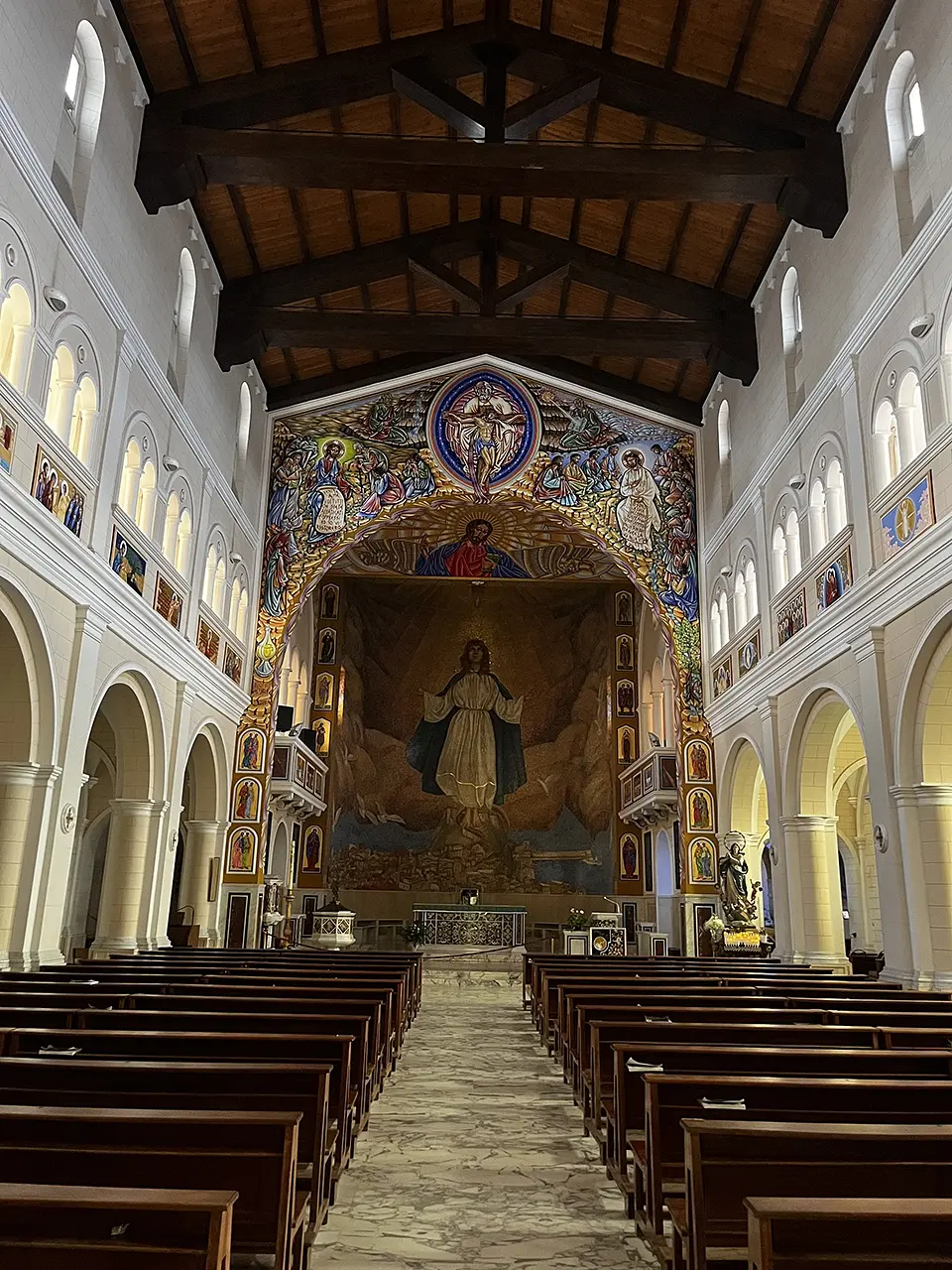
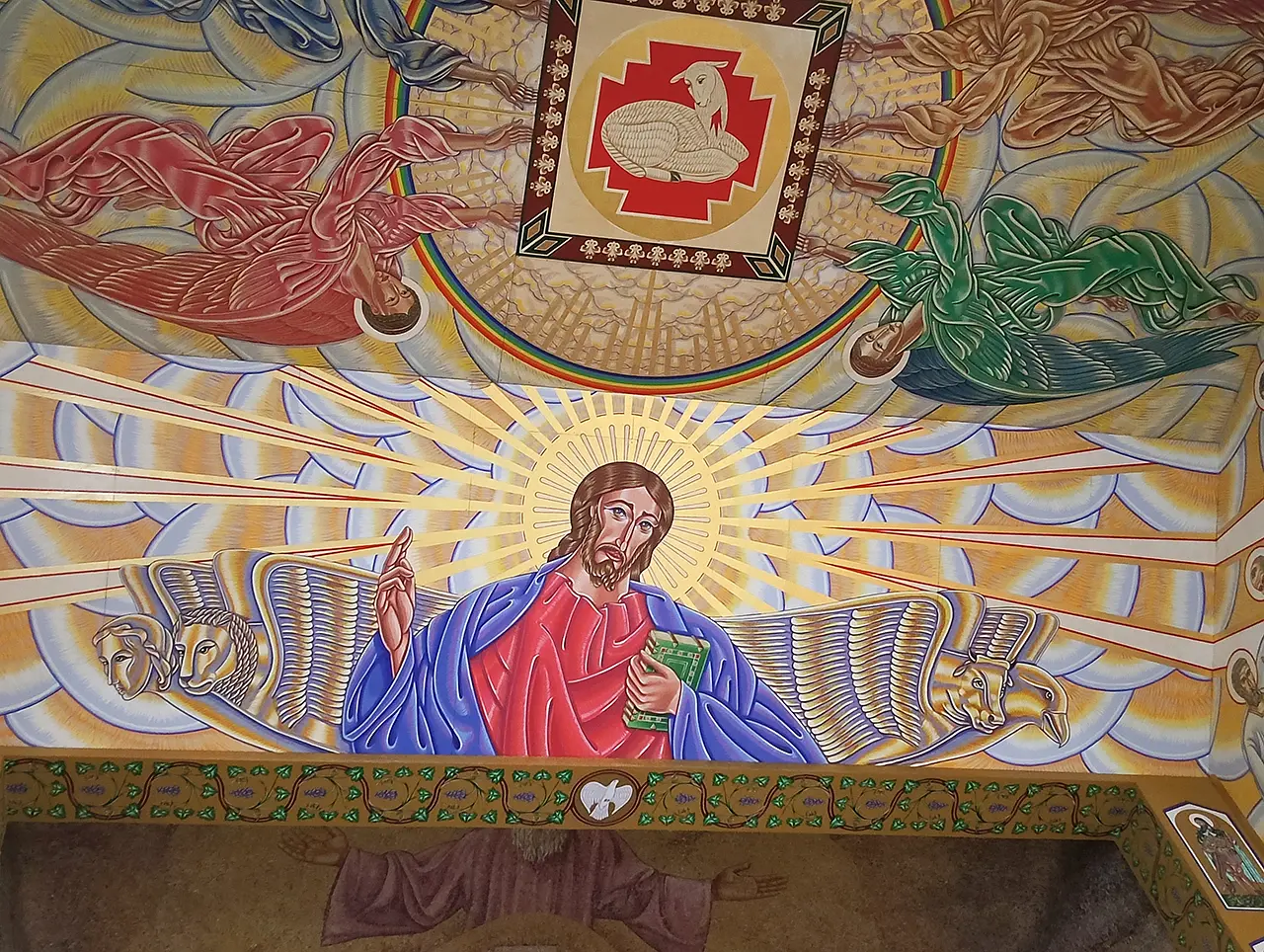
The Church of the Immaculate Conception reflects much of Scilla’s history: damaged by repeated earthquakes, it has risen from the rubble four times.



Where

What is it and where is the Church of the Immaculate of Scylla
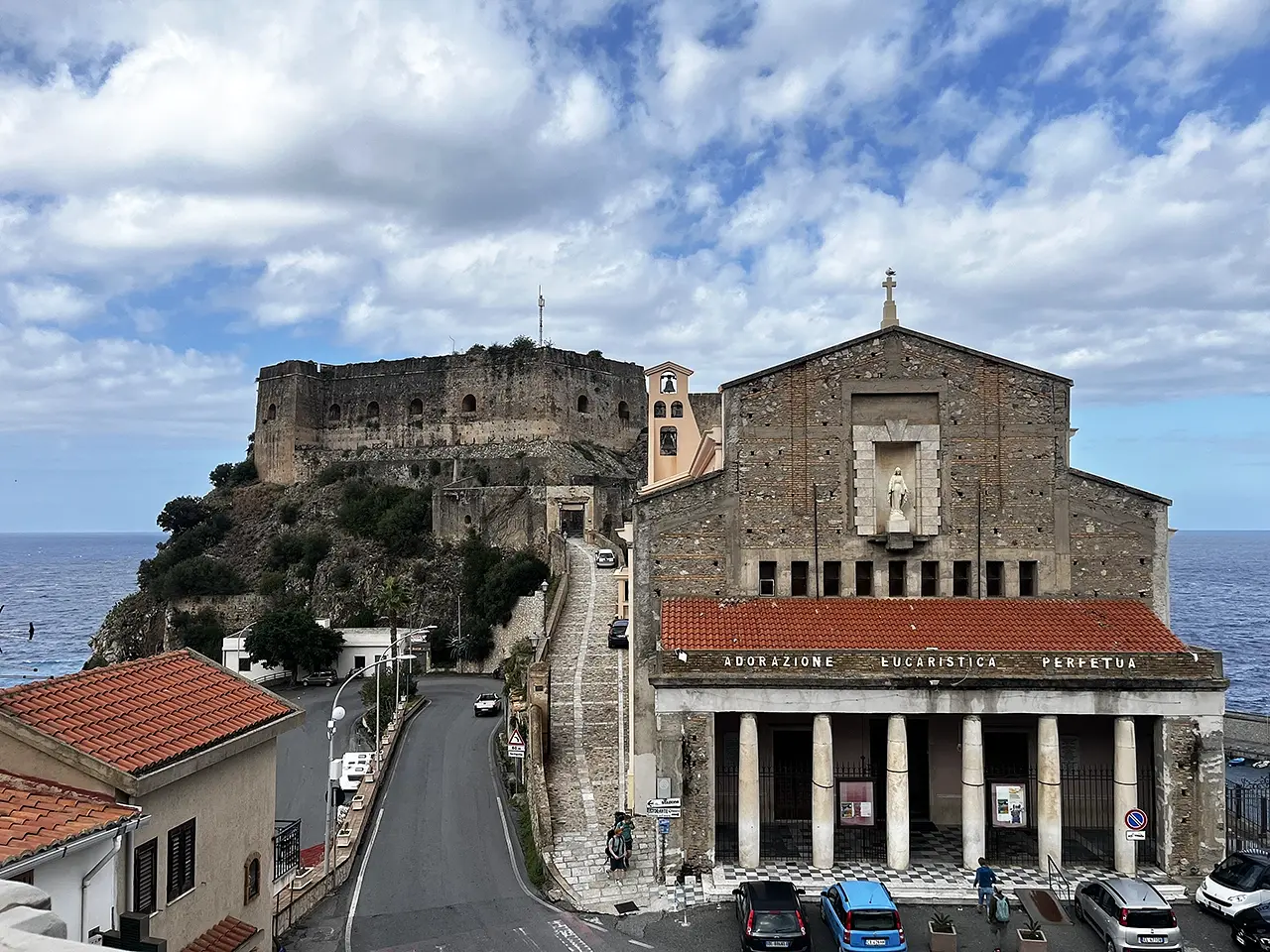
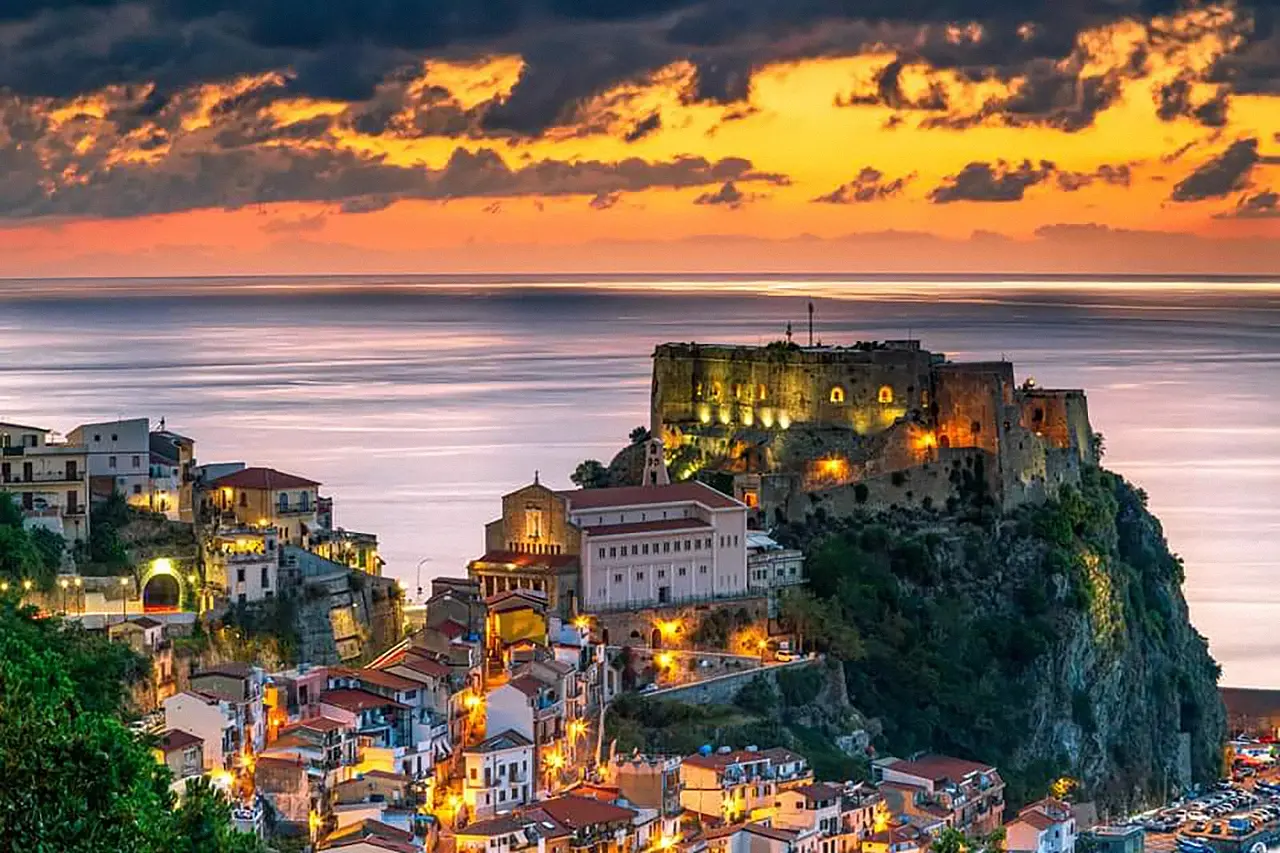
The mother church, dedicated to Mary Most Holy Immaculate, is the spiritual and geographical centerpiece of Scylla. At the foot of the castle, where worship is believed to have originated in the early Christian era, the church in fact stands on the ridge of the promontory that first divides the two seaside districts, Chianalea and Marina Grande, and then rises to the district of San Giorgio, facing inland. All roads - or rather, all steps - lead to the Immaculate Conception, one might say. The most enthralling time to cross its threshold is during the Novena that precedes the solemnity of December 8, the Feast of the Immaculate Conception, with prayers and Marian songs culminating in the procession of the venerated Statue, against a backdrop of illuminations and fireworks.
A bit of history, from the beginnings...
A church with a troubled history, in the Middle Ages attached to an important Basilian monastery, but rebuilt several times due to earthquakes. In the seventeenth century it had a Baroque appearance, Latin cross plan, dome and three naves separated by Carrara marble columns; at the high altar, a Madonna of the Neapolitan school from the late sixteenth century, preserved inside the present church along with one of the genuflected angels that flanked it. So too is a bust of St. Peter in the round, attributed to the Bernini school, with a Ruffo coat of arms inscribed on the base. Only an accurate description of this church remains, because it failed with the ruinous earthquake of 1873. Or rather, what remained is what was rescued from the rubble and reused ad memoriam in the decoration of later buildings.
... to the 1900s
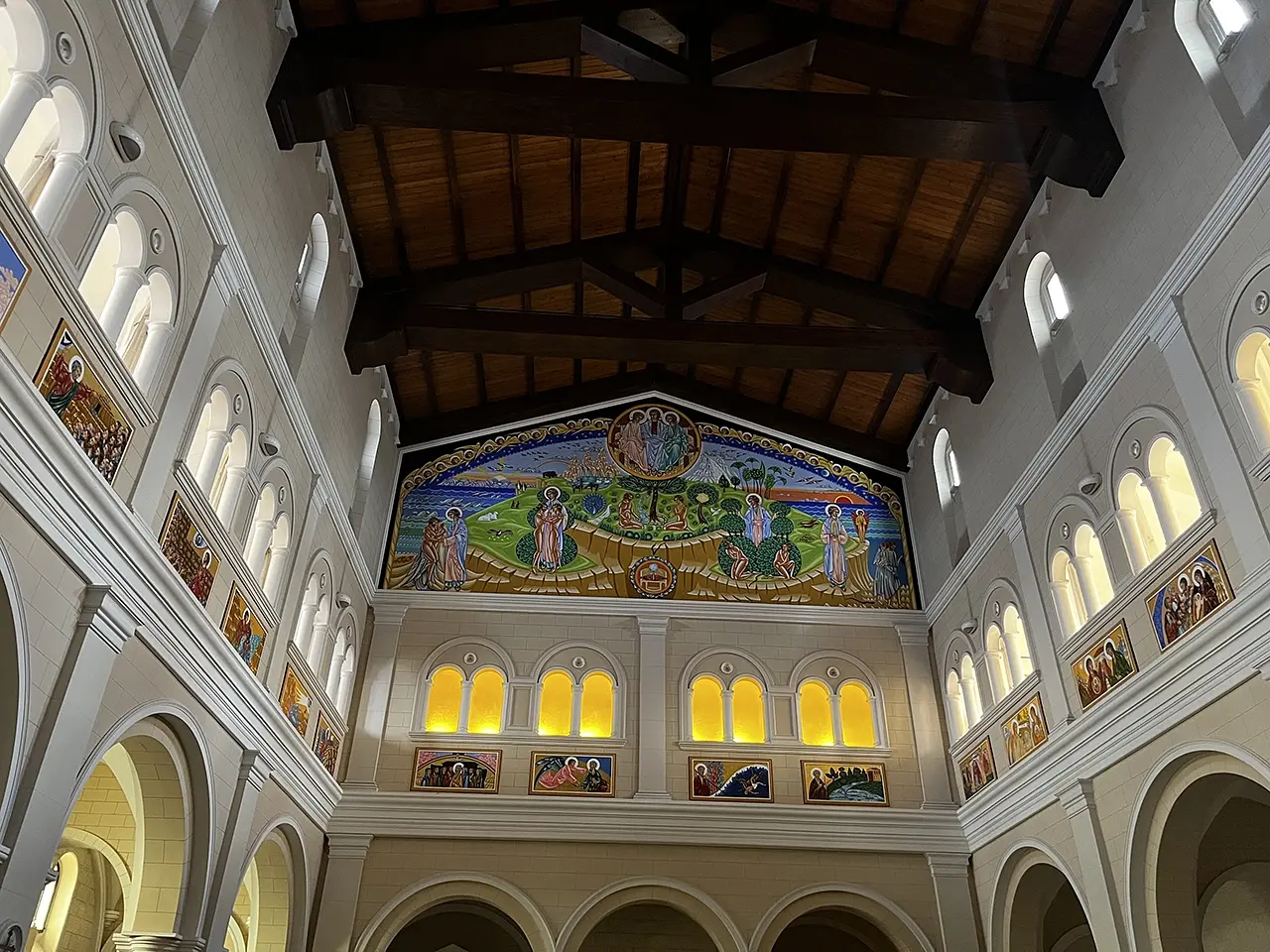
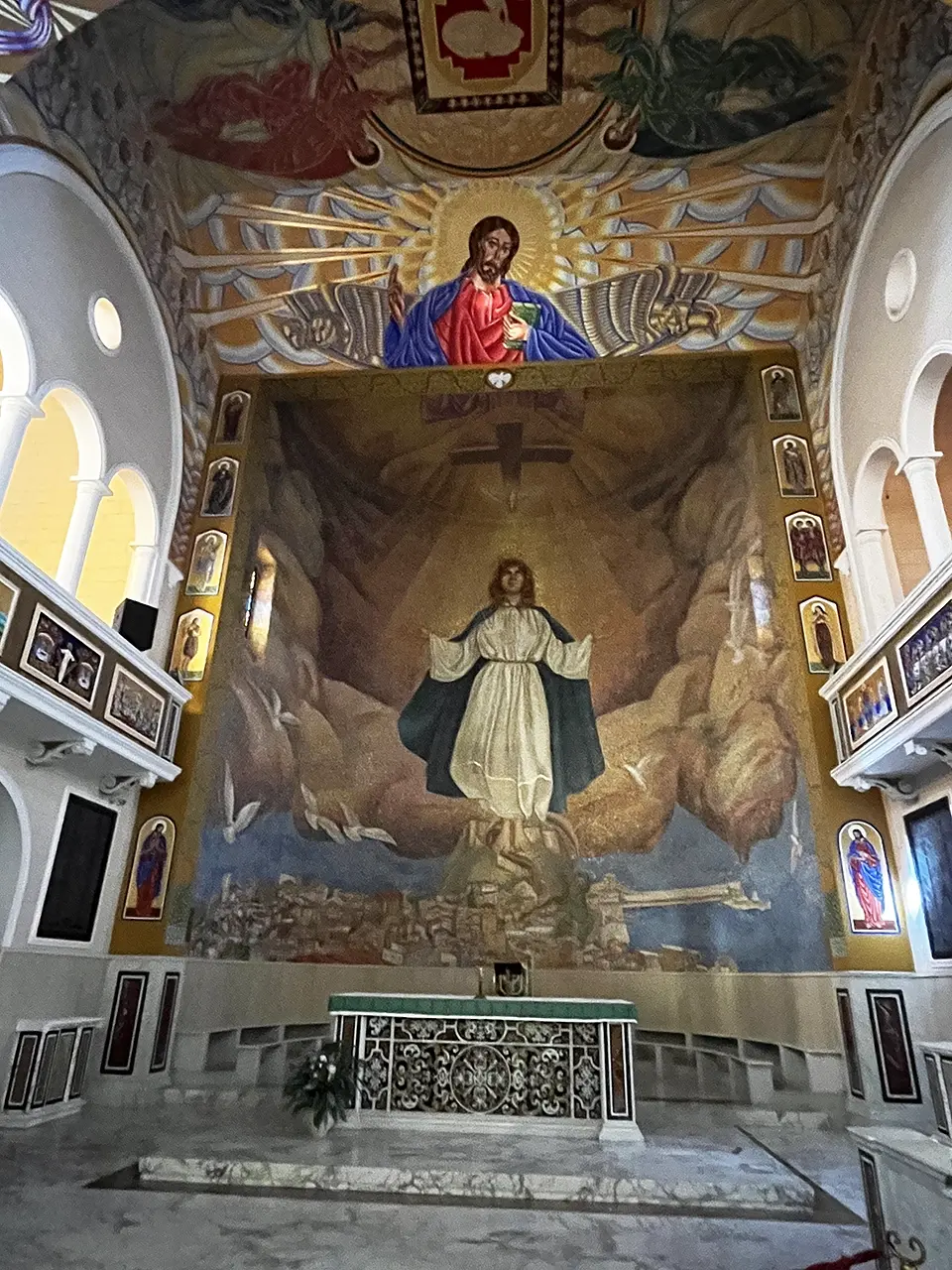
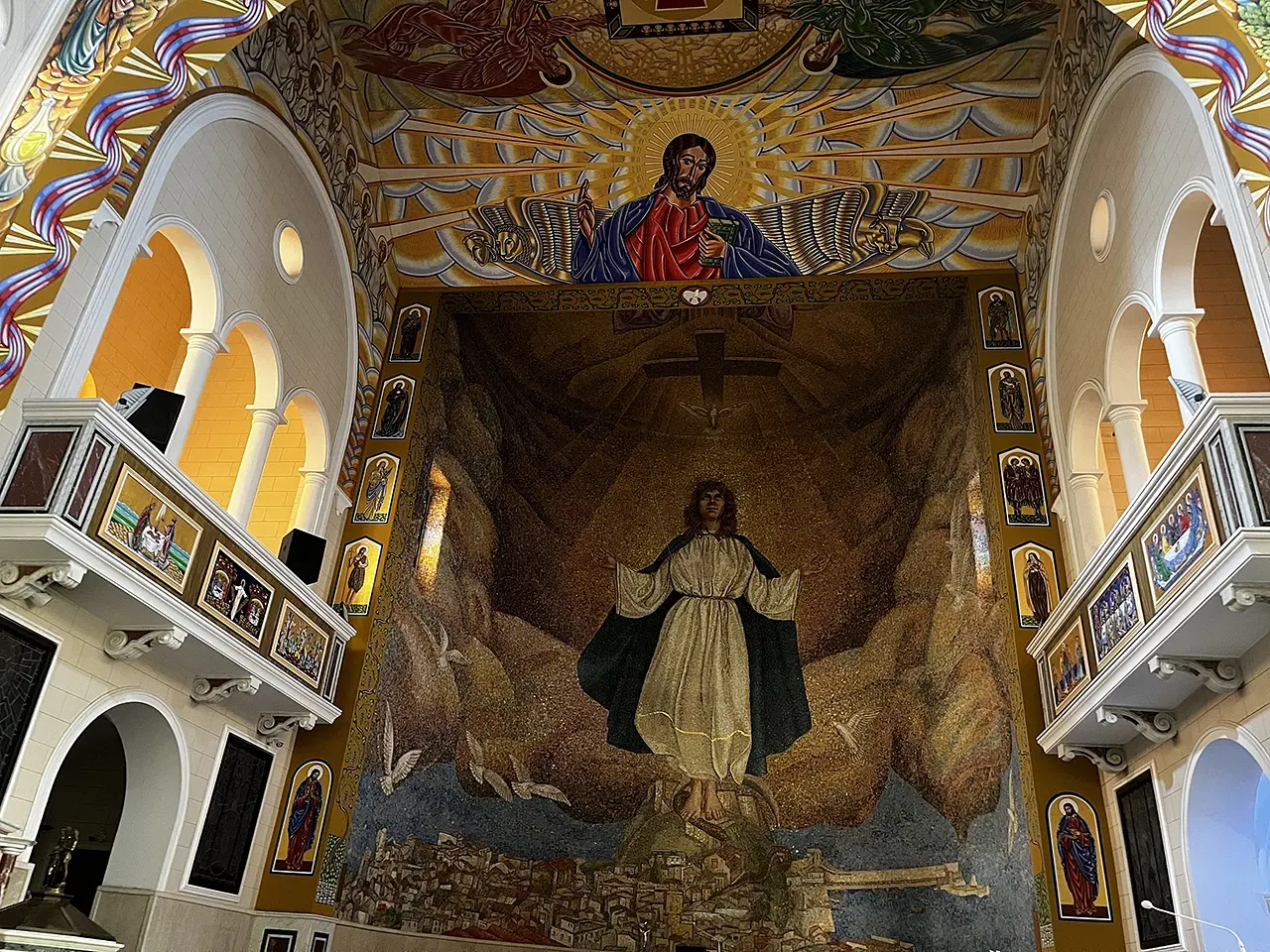
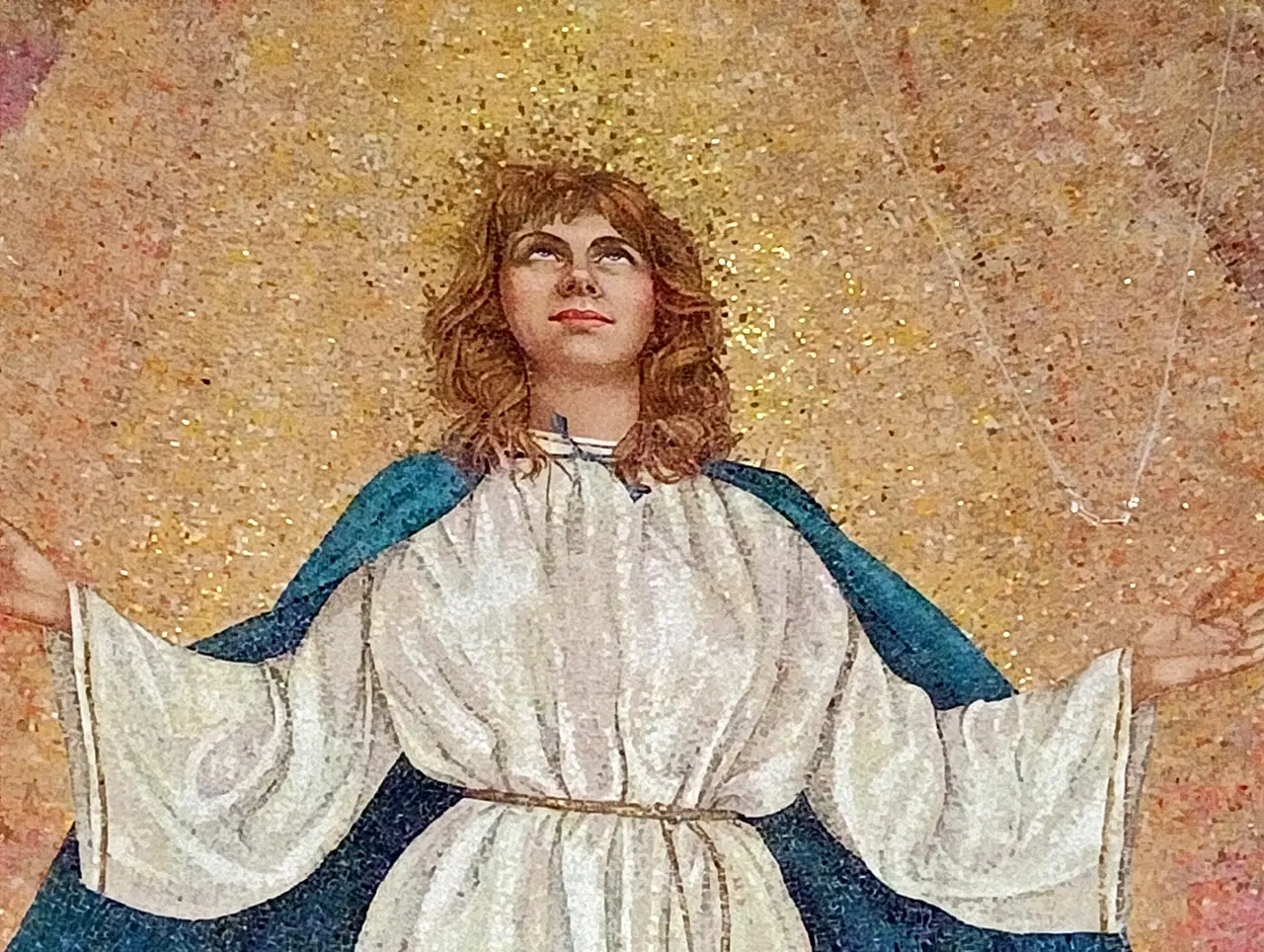
"On the cliff witness to plurimillennial myths, legends and stories, which saw Ulysses sail and Sirens dance, on June 14 of the Marian Year 1958 was laid the foundation stone of the church that for the fourth time rises between the two enchanting blues of sea and sky, the celestial blue of a mantle that to the dreams of the soul makes sail to the infinite." So is written on the parchment penned on the day of the start of reconstruction work in 1970 according to anti-seismic criteria, but enhancing ancient materials, such as the six columns ennobling the facade along with a copy of the marble Madonna kept inside. A temporal mixture, which stands out in the high altar and the cathedra, composed of panels of seventeenth-century marble committed, against the backdrop of the apsidal decoration by masters of our time.
Not to be missed: the Madonna of the Gate
The most significant work in today's Immaculata heritage is a witness to its best past, the so-called Madonna della Porta, a painted panel from the adjoining medieval monastery of San Pancrazio. The work is attributed to the Master of Galatina, an artist active in the early 15th century, who unfolded the theme of the Byzantine Virgin Odigitria, "She who shows the way," against the backdrop of an Arab-Moorish arch, hence the popular appellation. The sacred representation of the Madonna and Child remained on the church's high altar until the early 17th century, when it was replaced by a marble sculpture. Having survived all the vicissitudes suffered by the church, the panel was eventually placed in the Blessed Sacrament Chapel within a carved aedicule to reaffirm the community's devotion to its past.
Enter the Map of Italy's Hidden Wonders and find treasures where you least expect it... Inspire, Recommend, Share...
Collections
The Map thanks:
Scilla, dove peschiamo sorrisi – Comune di Scilla – PNRR Ministero della Cultura M1C3, Mis. 2, Inv. 2.1 “Attrattività dei borghi storici” – Finanziato dall’Unione europea, NextGenerationEU – CUP: F79I22000150006 – CIG B8DCA761AB

Enter the Map of Italy's Hidden Wonders and find treasures where you least expect it... Inspire, Recommend, Share...
Where
Collections