
Sclla: the neighborhood of San Giorgio and the church of San Rocco
San Giorgio, the warrior saint, was once Scilla’s patron saint, before San Rocco, known for his healing powers, took his place.



Where

Scylla: the historic center
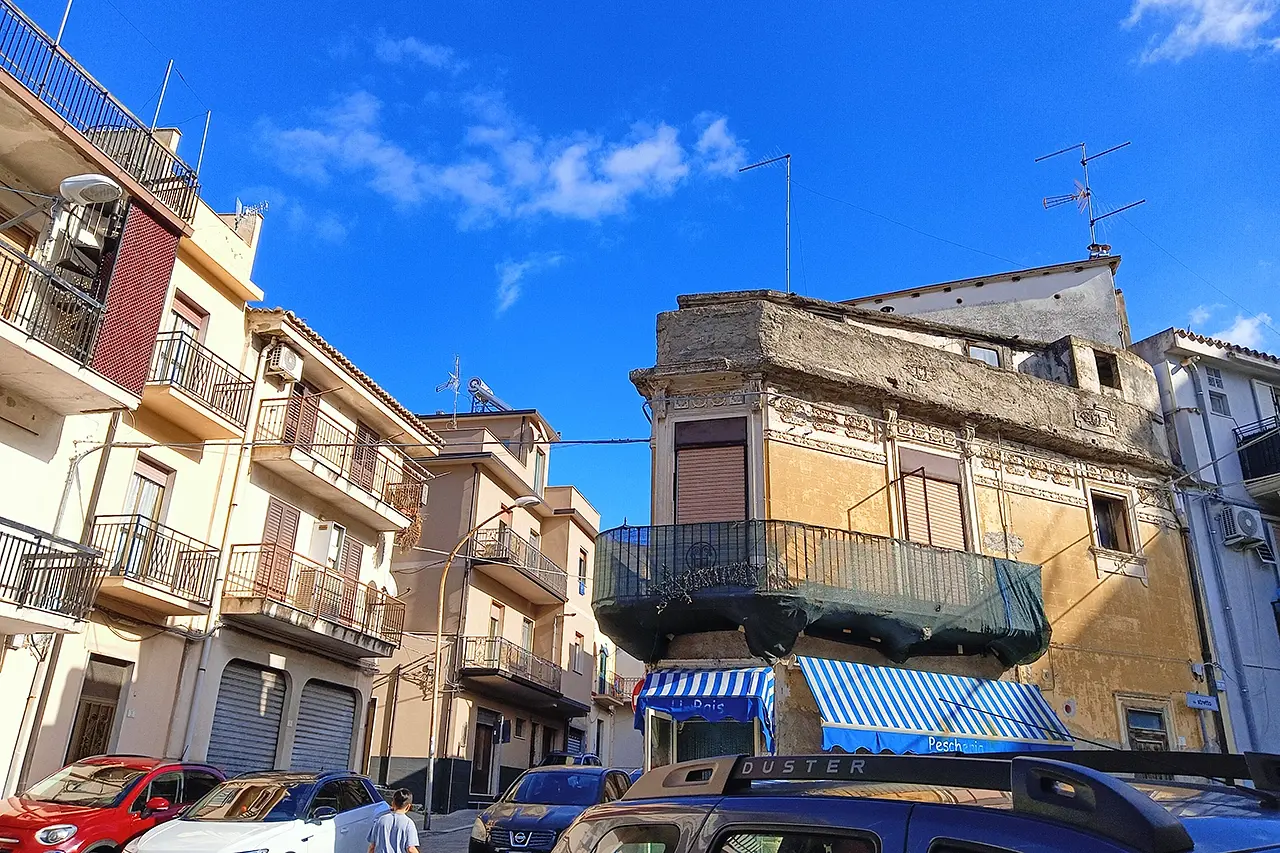
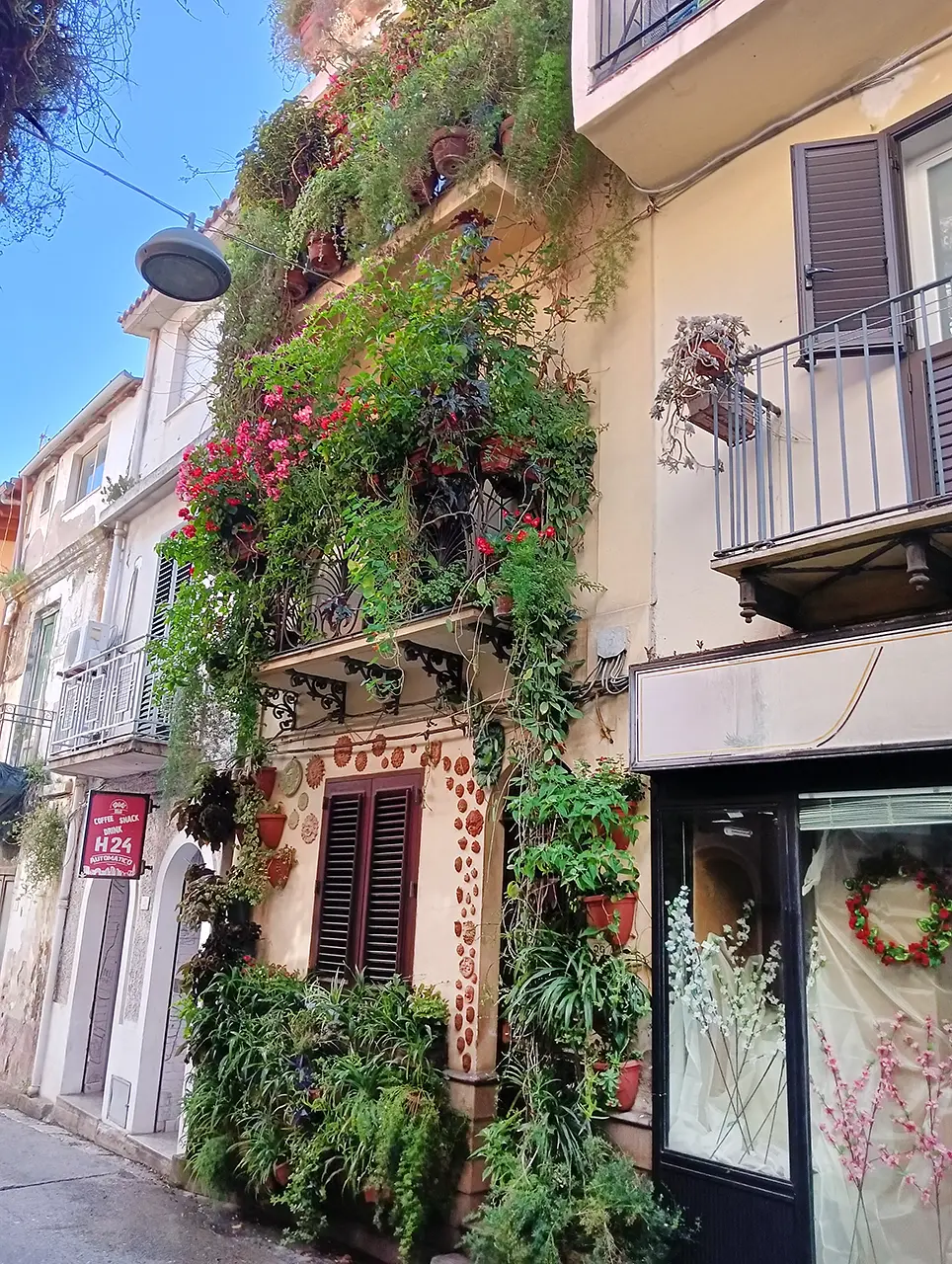
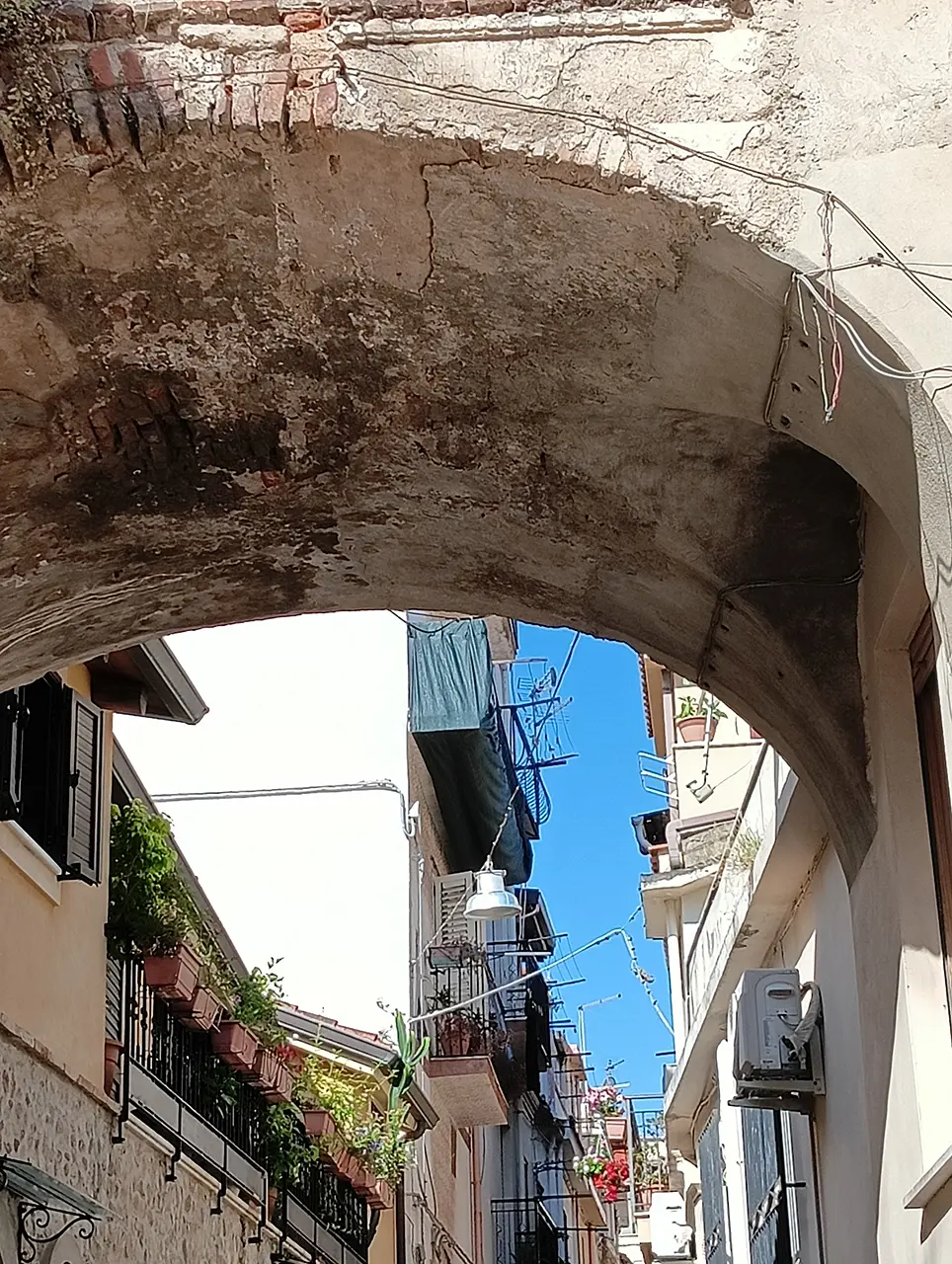
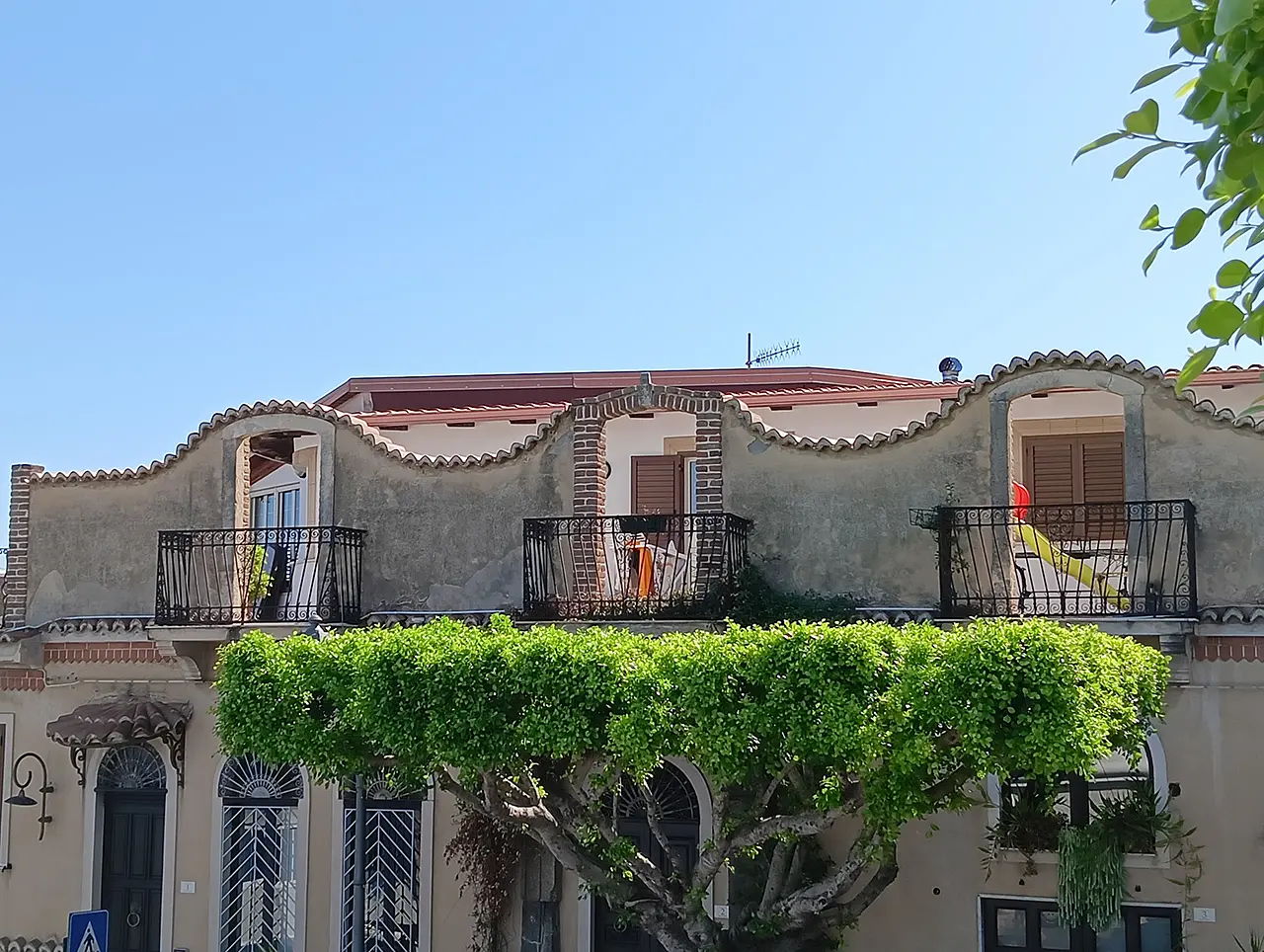
The historic center of Scilla is the district that stretches out on the back of the promontory, behind the Castle, facing west to the Marina Grande. It derives its name from the town's first patron saint, St. George, much venerated in the Reggino area, who was succeeded in the second half of the 18th century by St. Rocco, titular of the church located in the main square, overlooking the sea from above. From this point diverge the two main streets of the historic center, Corso Umberto I, King of Italy, and Via Raffaele Piria, a distinguished scientist from Scillese, traced in the reconstruction following the 1783 earthquake. At the start , however, the urban fabric retains the defensive character of its origins, tightly woven, so-called Bastia. In the past, the neighborhood was the residence of the agricultural class looking inland, complementary to the maritime class of the two coastal districts, Chianalea and Marina Grande.
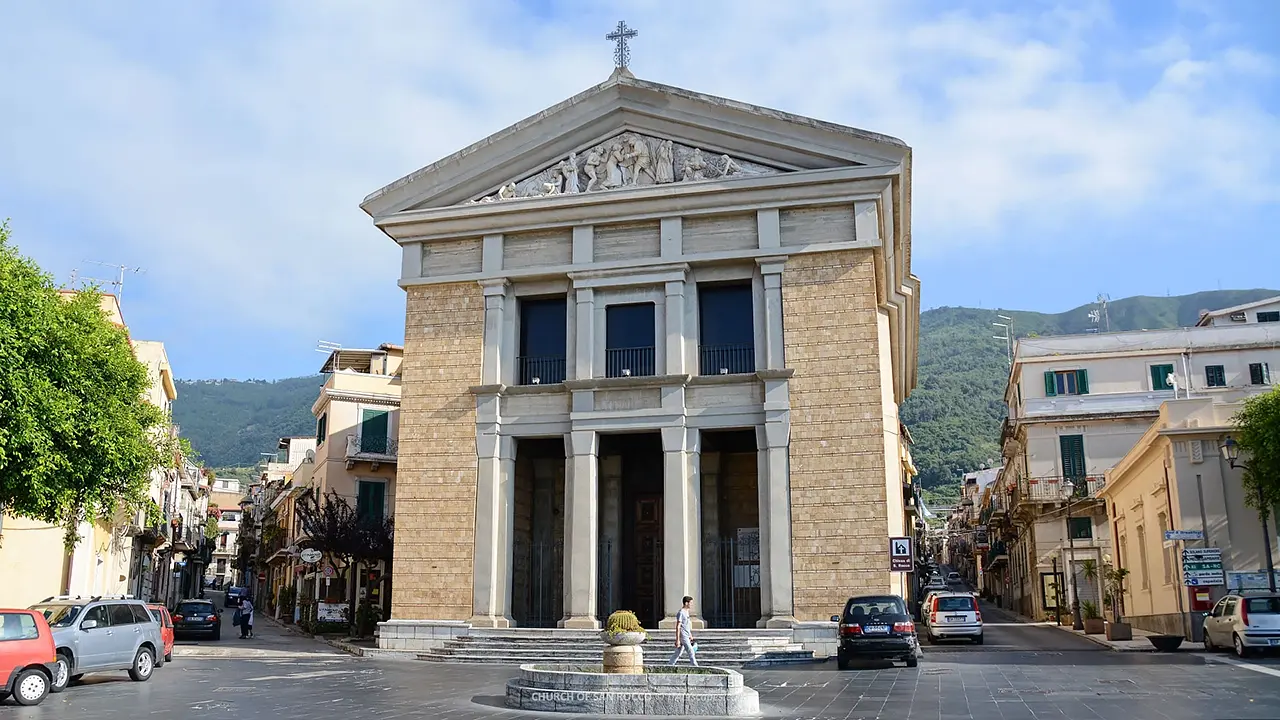
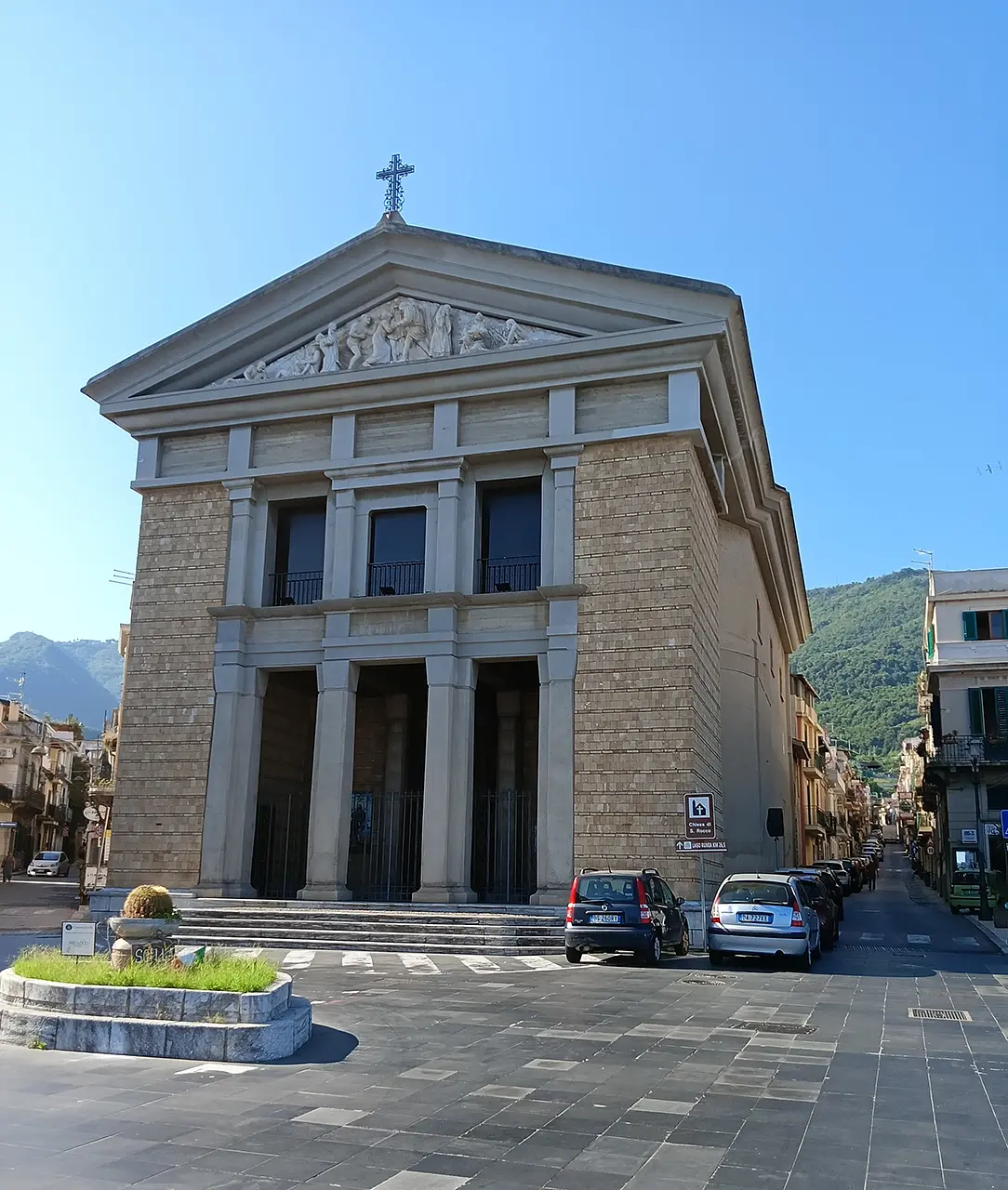
The church of San Rocco
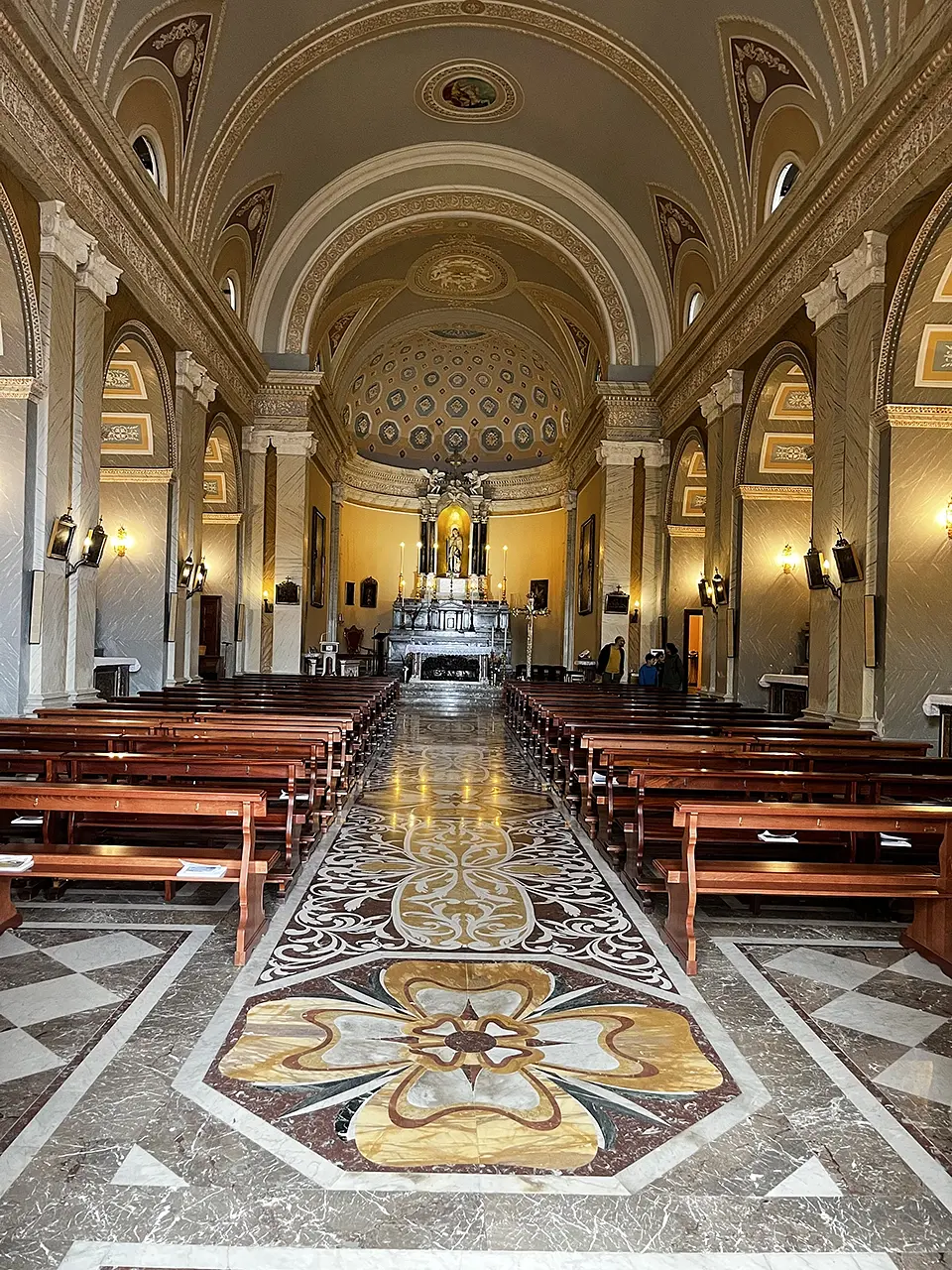
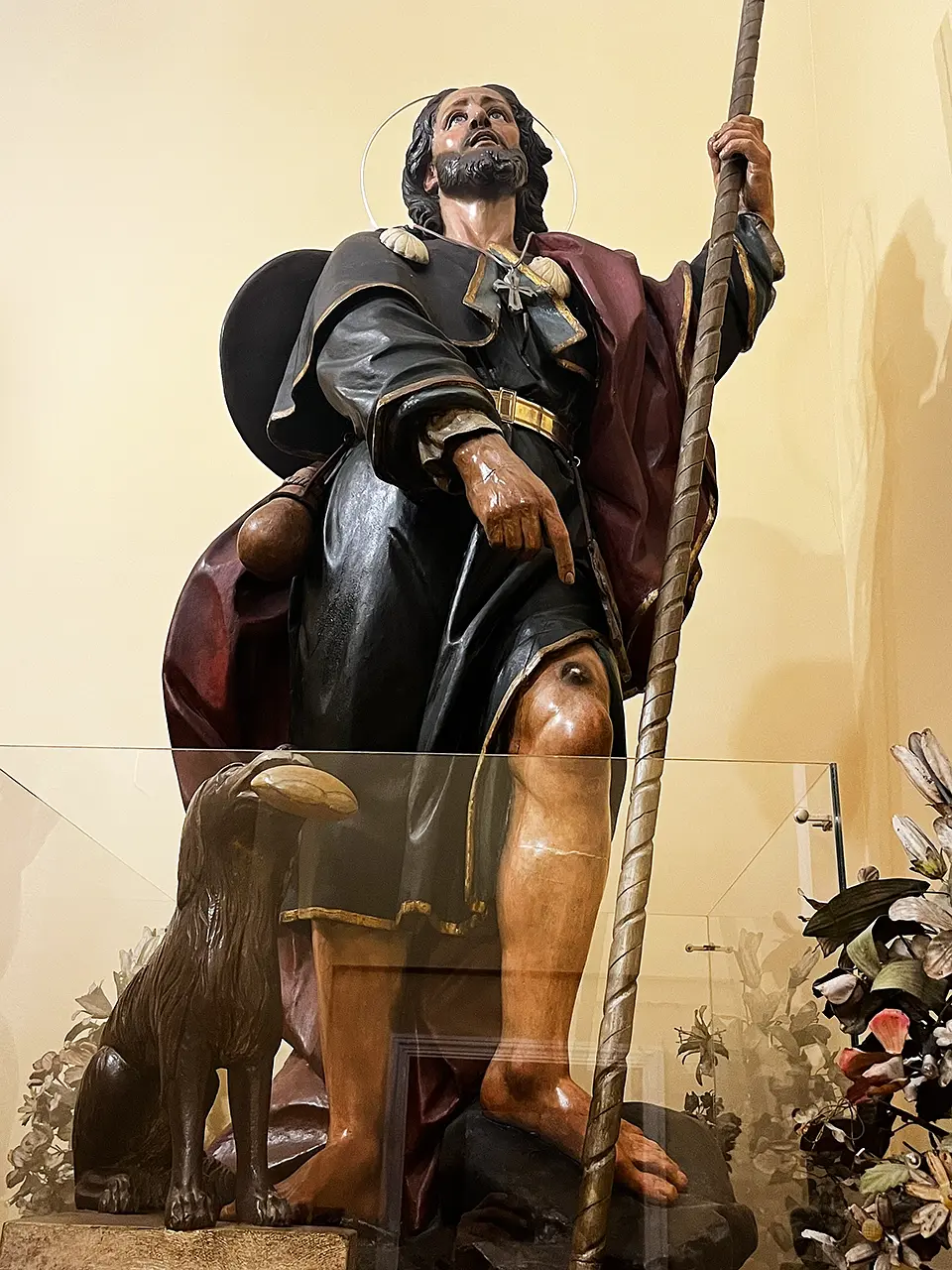
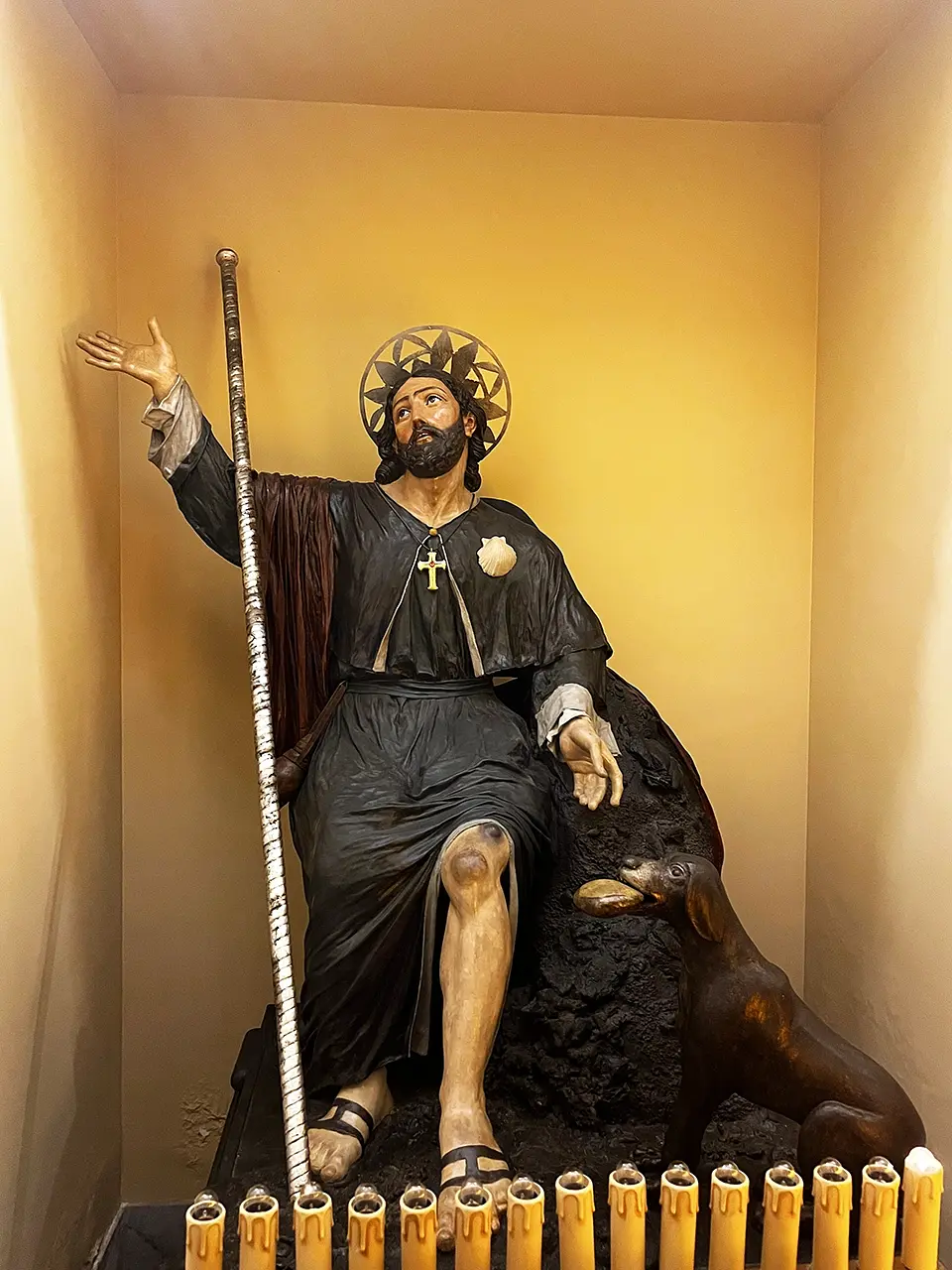
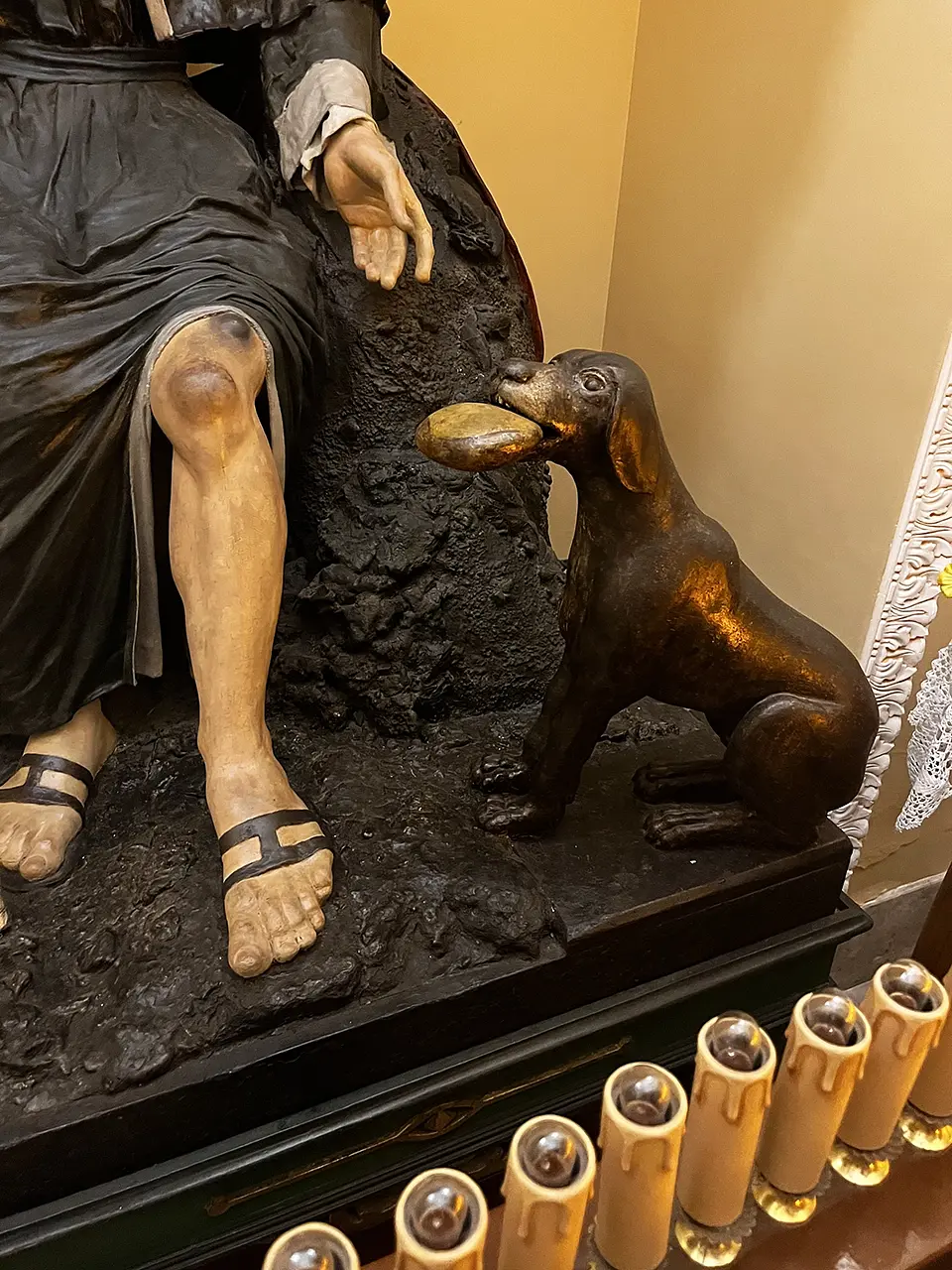
The church of San Rocco, consecrated in 1571, was dedicated to the pilgrim saint and thaumaturge in the belief that thanks to his intercession Scylla had avoided the plague. This adoption has a historical background in the relations that Scillese merchants had with Venice in the very years when the Serenissima inaugurated the Scuola Grande di San Rocco, decorated by Tintoretto. As evidence of this precedent, the church in Scylla holds a marble statue of the saint on the high altar: its author is unknown, but everything suggests that it dates from the fifteenth-fifteenth century and came from the lagoon city itself. Then there is a second effigy of St. Roch; this one, eighteenth-century and life-size, but of painted wood, to satisfy the desire to have a more realistic effigy and the desire to carry it in procession on the day of his solemnity.
The "Iurnata i Santa Rroccu," feast of the patron saint.
One of the most anticipated events of the Scillese summer is the highly attended "Iurnata i Santa Rroccu," the feast of the patron saint, including solemnities, street events and the inevitable side dish of good food. The statue of the saint is carried on the shoulders between two wings of the crowd around the three neighborhoods of Scilla: San Giorgio, Chianalea and Marina Grande. The key moment, however, comes in the evening with the fireworks: first, the so-called "Trionfino," with the bearers of the statue parading at a running pace against a backdrop of fountains and pyrotechnic pinwheels; then at midnight there is the spectacle of the actual fireworks, which fill the sky above over the sea with the unfailing jubilation of the onlookers.
'U facciaturi: the piazza San Rocco
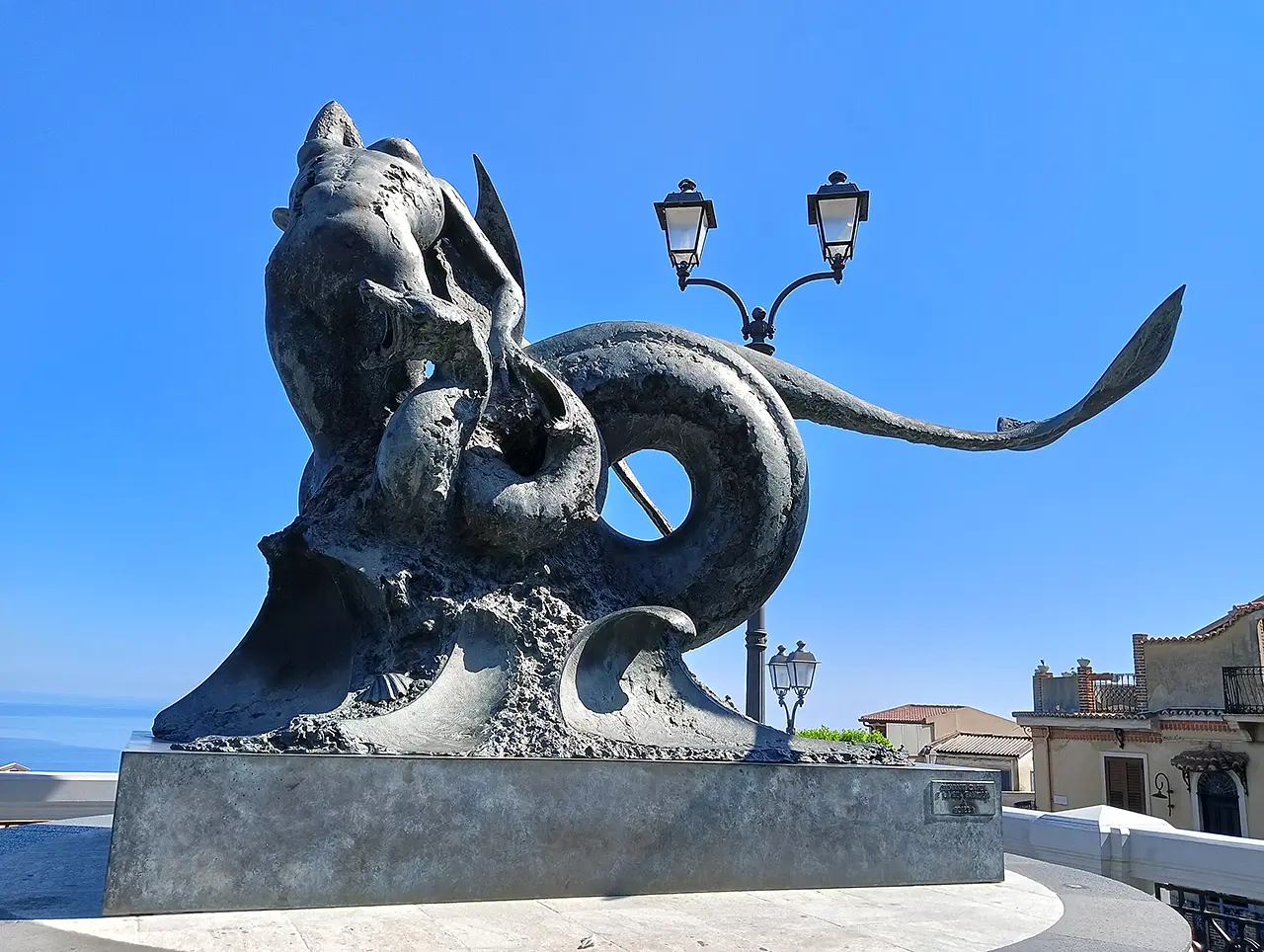
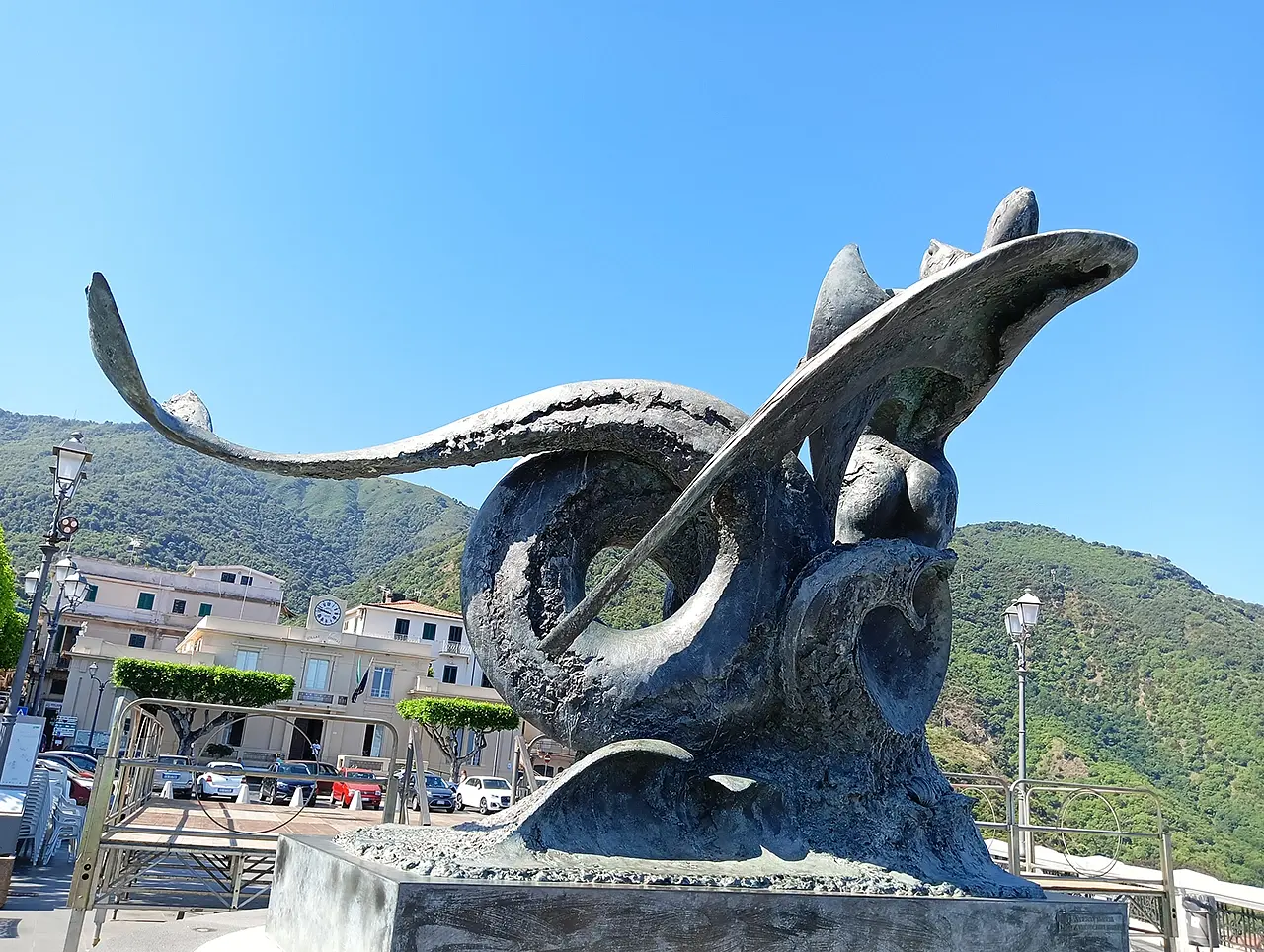
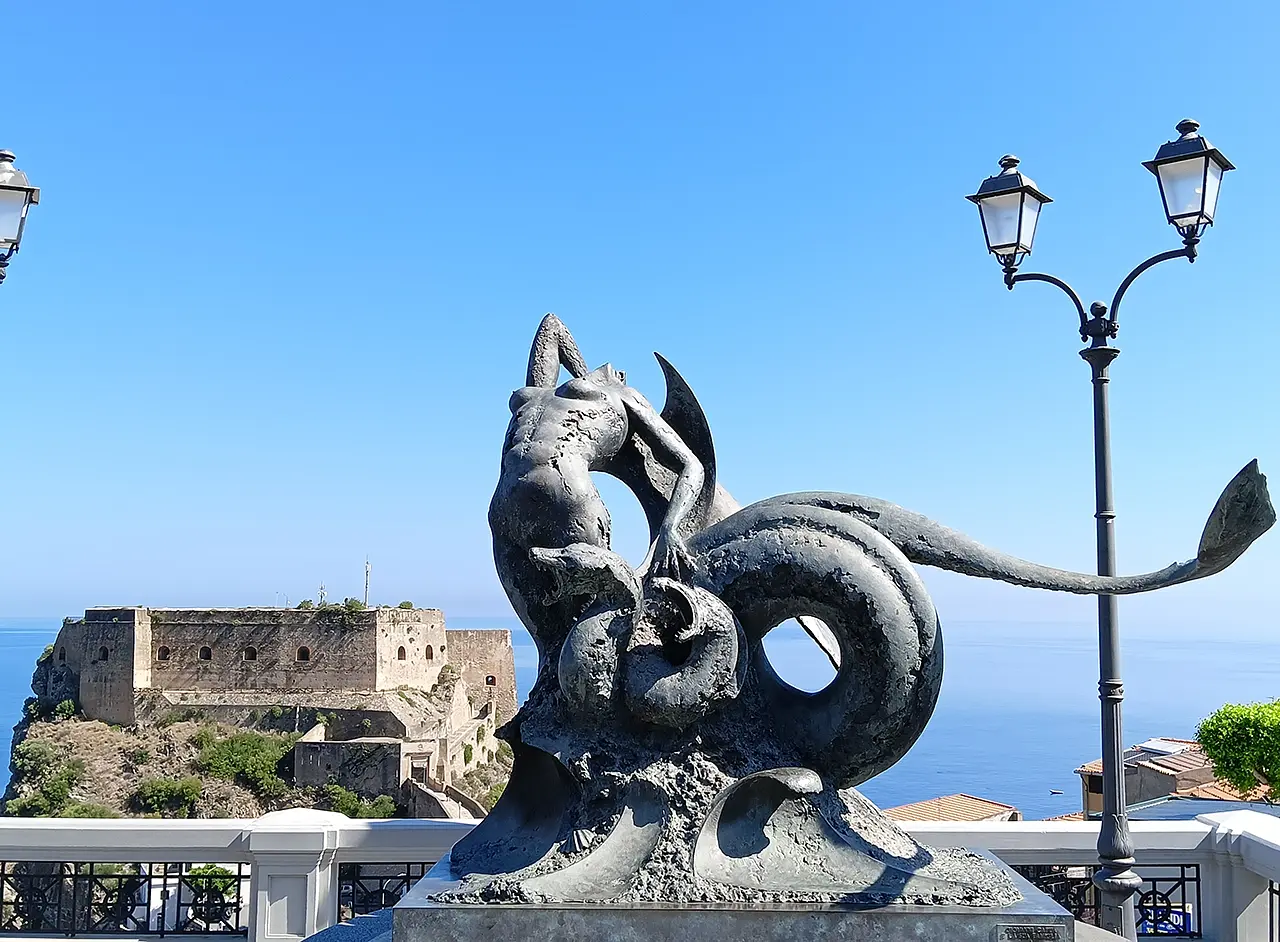
Piazza San Rocco expands into a busy lookout - for the Scillesi, 'u facciaturi - with locals chatting on benches and children playing around. Add to that the tourists enraptured by the view: on one side, across the Strait, Cape Peloro with its lighthouse, Sicily's northeastern extreme; on the other, the Costa Viola and Cape Vaticano, one for strongholds of Tyrrhenian Calabria. And then, on the watershed of the promontory, the Ruffo Castle and the Church of the Annunziata. And just below, the Marina Grande with alleys that descend steeply to the beach stretched out in an arc that seems to want to touch the horizon.
Enter the Map of Italy's Hidden Wonders and find treasures where you least expect it... Inspire, Recommend, Share...
Collections
The Map thanks:
Scilla, dove peschiamo sorrisi – Comune di Scilla – PNRR Ministero della Cultura M1C3, Mis. 2, Inv. 2.1 “Attrattività dei borghi storici” – Finanziato dall’Unione europea, NextGenerationEU – CUP: F79I22000150006 – CIG B8DCA761AB

Enter the Map of Italy's Hidden Wonders and find treasures where you least expect it... Inspire, Recommend, Share...