
The cork oak forest of Monte Scrisi
From Scilla’s seafront to the hills of its hinterland, this nature trail leads through the cork oak forest of Monte Scrisi, a classic Mediterranean habitat.

Where

The footpath: where to find it
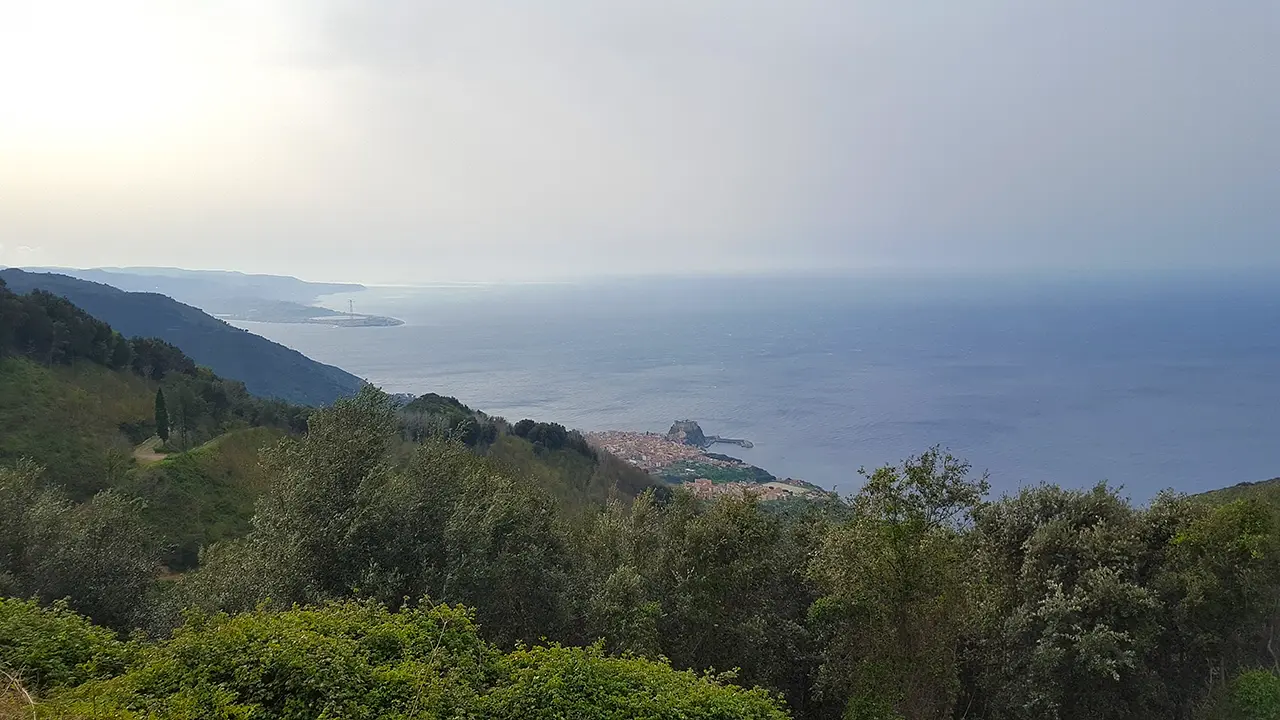
Mount Scrisi is the relief that rises inland from Scilla to an altitude of 675 meters, allowing the view to sweep from the Strait of Messina to the Costa Viola to Bagnara and beyond. The slopes, more or less steep, are covered by vegetation that goes from Mediterranean scrub in the coastal strip to the evergreen oak forest at the summit, so the ubiquitous holm oak (Quercus ilex) but especially cork (Quercus suber), gives the site particular naturalistic importance. The mountain can be accessed between Scilla and Villa San Giovanni, in the locality of Santa Trada, by taking the so-called Passi path that heads to the Cavallo Tower, part of the ancient defense system of the Strait.
The trail: a journey inside the Mediterranean scrubland
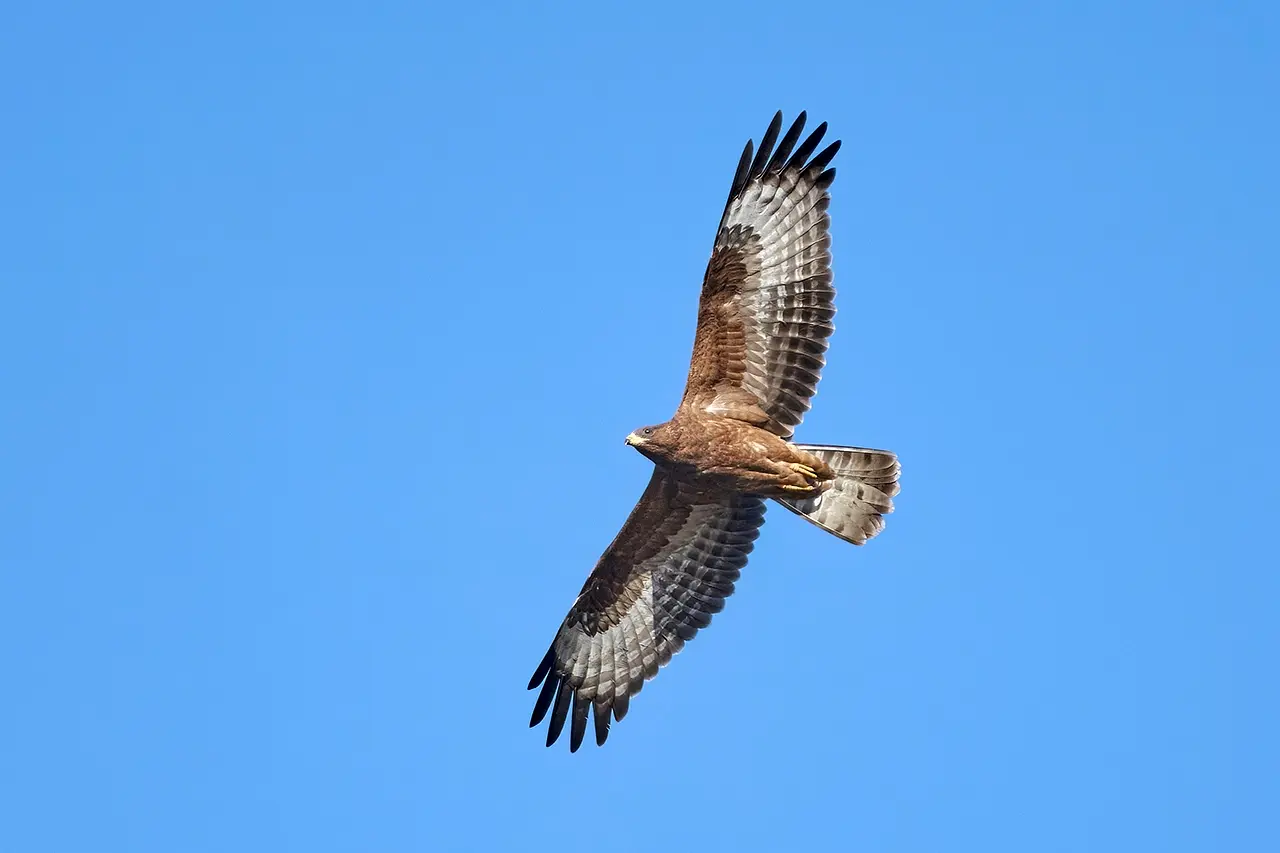
You first climb among the more or less dense vegetation depending on the outcropping of the rocky substrate of volcanic nature. Reaching the top, one understands why the path is called "of the steps." Marking it, in fact, are concrete standoffs used until the recent past for illegal hunting of certain "passage" birds of prey during spring migration over the Strait. At the expense, in deference to a popular belief that does not even deserve to be remembered, was mainly the adornment, a local term for the honey buzzard (Pernis apivorus), the most numerous of the large raptors that follow this route. Having almost completely eradicated this nefarious practice, today the place is frequented mainly by birdwatchers.
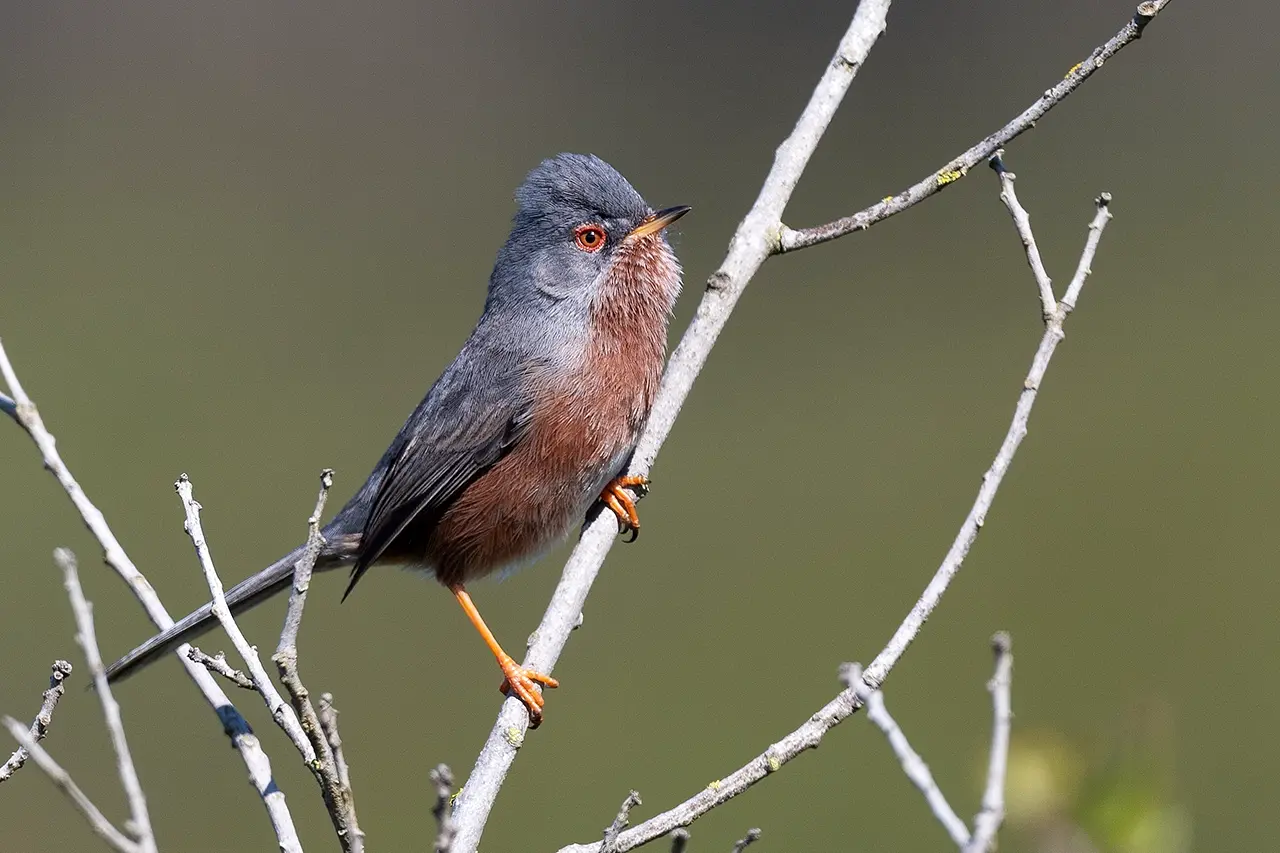
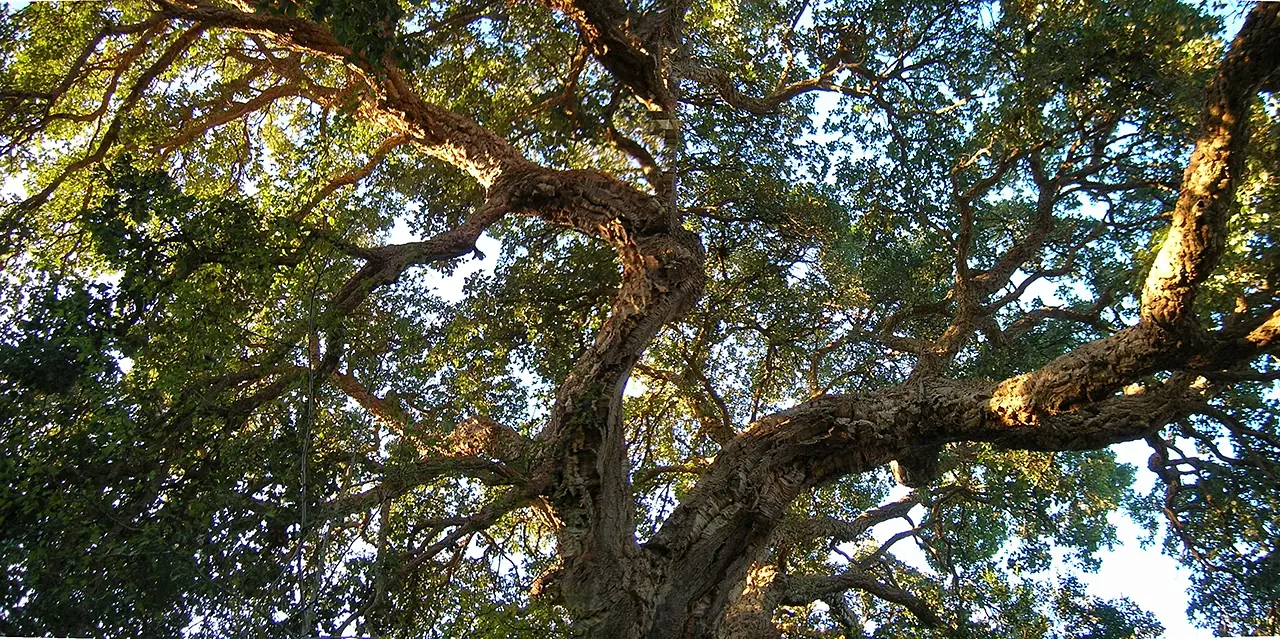
We then enter the bright forest dominated by the cork oak, a tree in its own way cultivated to obtain the material with multiple uses from its bark. The "decortication" occurs only every decade or so and allows a state of naturalness to be maintained that makes the cork oak forest one of the most significant habitats of the Mediterranean belt. Testifying to this on Mount Scrisi is, among other things, the presence as a nesting bird of the magnanina (Sylvia undata), a passerine of a very reserved disposition, easier to hear than to see, but unmistakable for its slate-colored plumage and reddish eye rimming.
Enter the Map of Italy's Hidden Wonders and find treasures where you least expect it... Inspire, Recommend, Share...
Collections
The Map thanks:
Scilla, dove peschiamo sorrisi – Comune di Scilla – PNRR Ministero della Cultura M1C3, Mis. 2, Inv. 2.1 “Attrattività dei borghi storici” – Finanziato dall’Unione europea, NextGenerationEU – CUP: F79I22000150006 – CIG B8DCA761AB

Enter the Map of Italy's Hidden Wonders and find treasures where you least expect it... Inspire, Recommend, Share...