
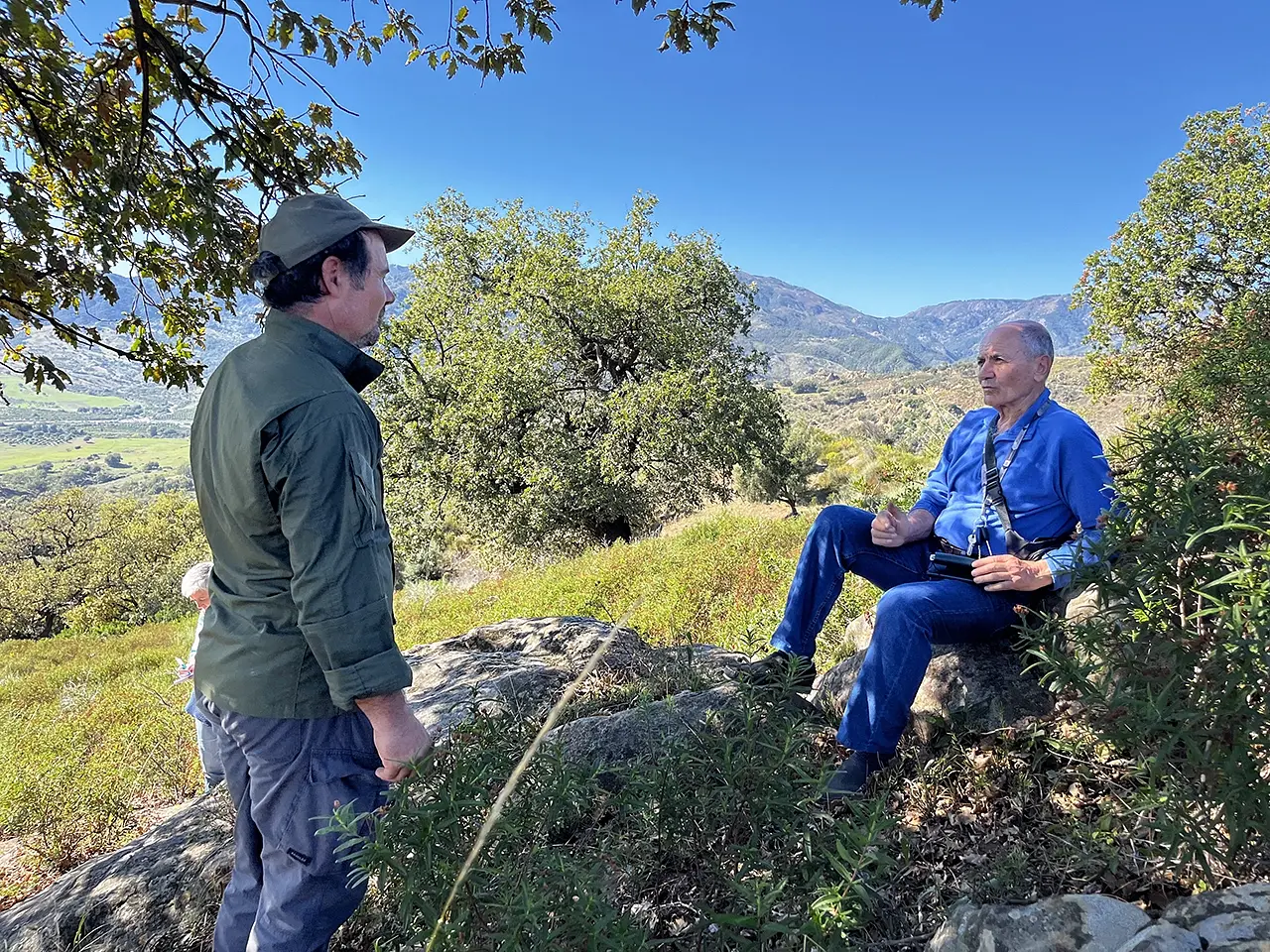
The ancient Roman road that passes through Ferruzzano
The "carrera of Cunsulari": in the Valley of the Armenians we discover a forgotten street with its invisible treasures


Where
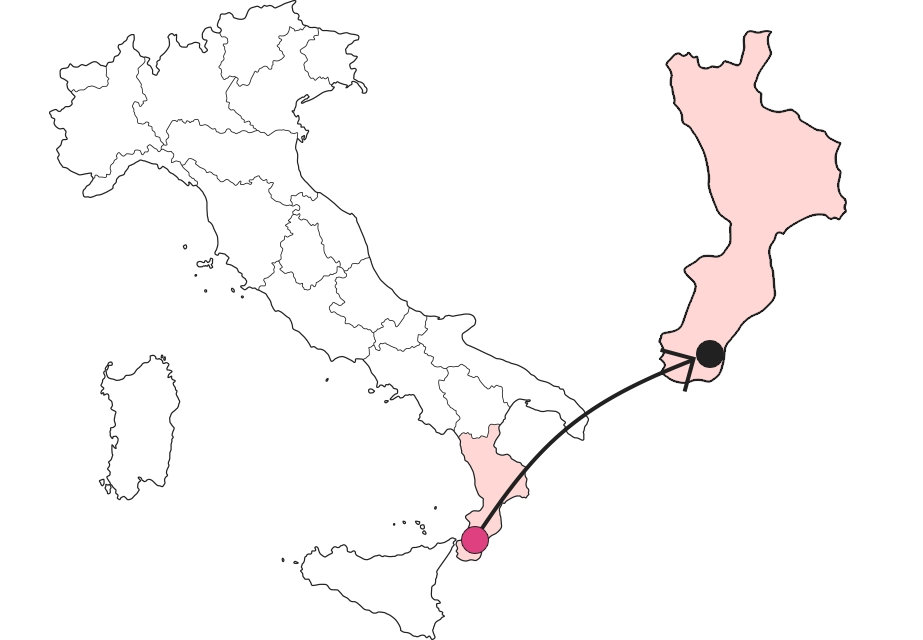
Where the Roman road of Ferruzzano is located
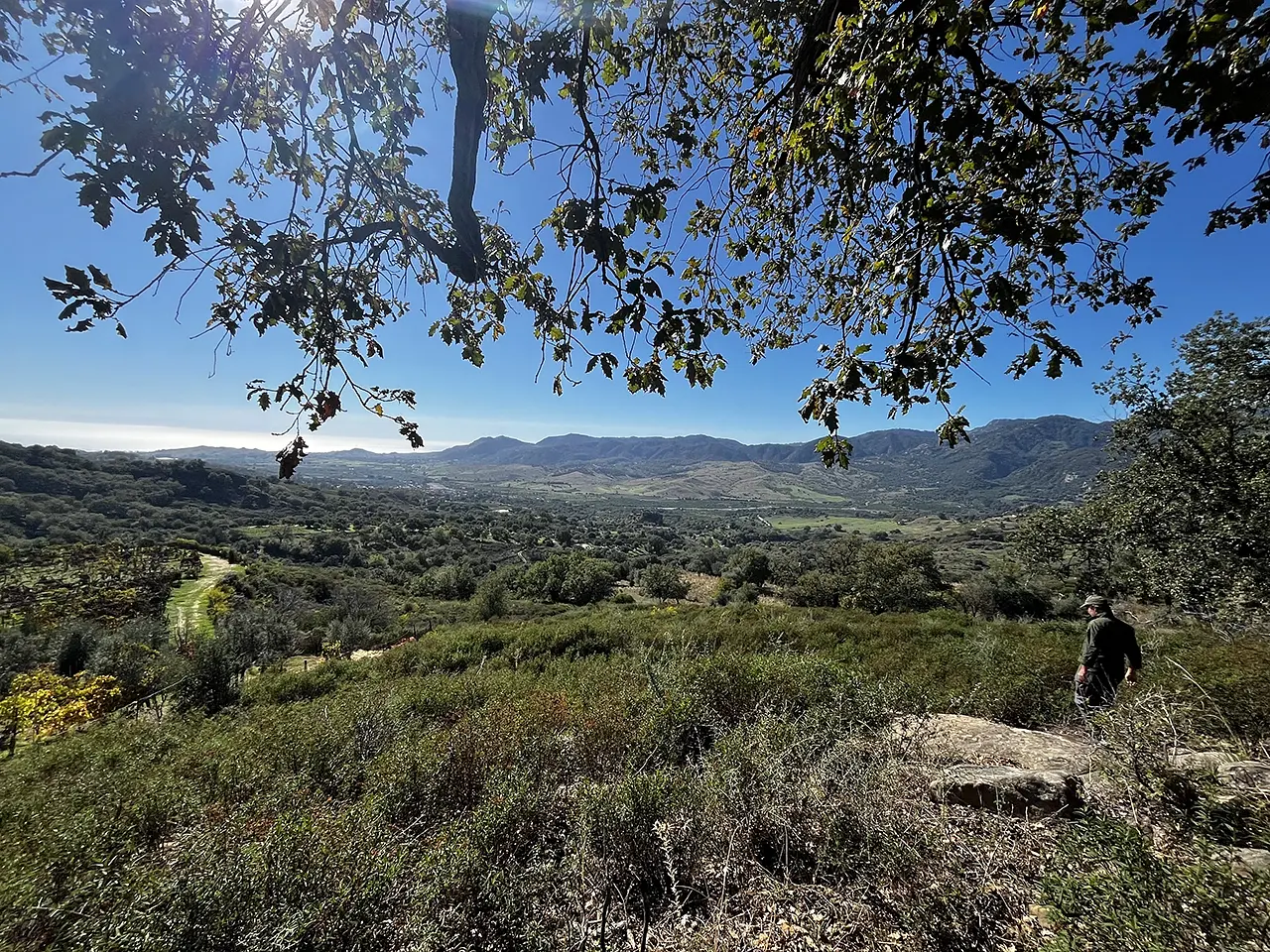
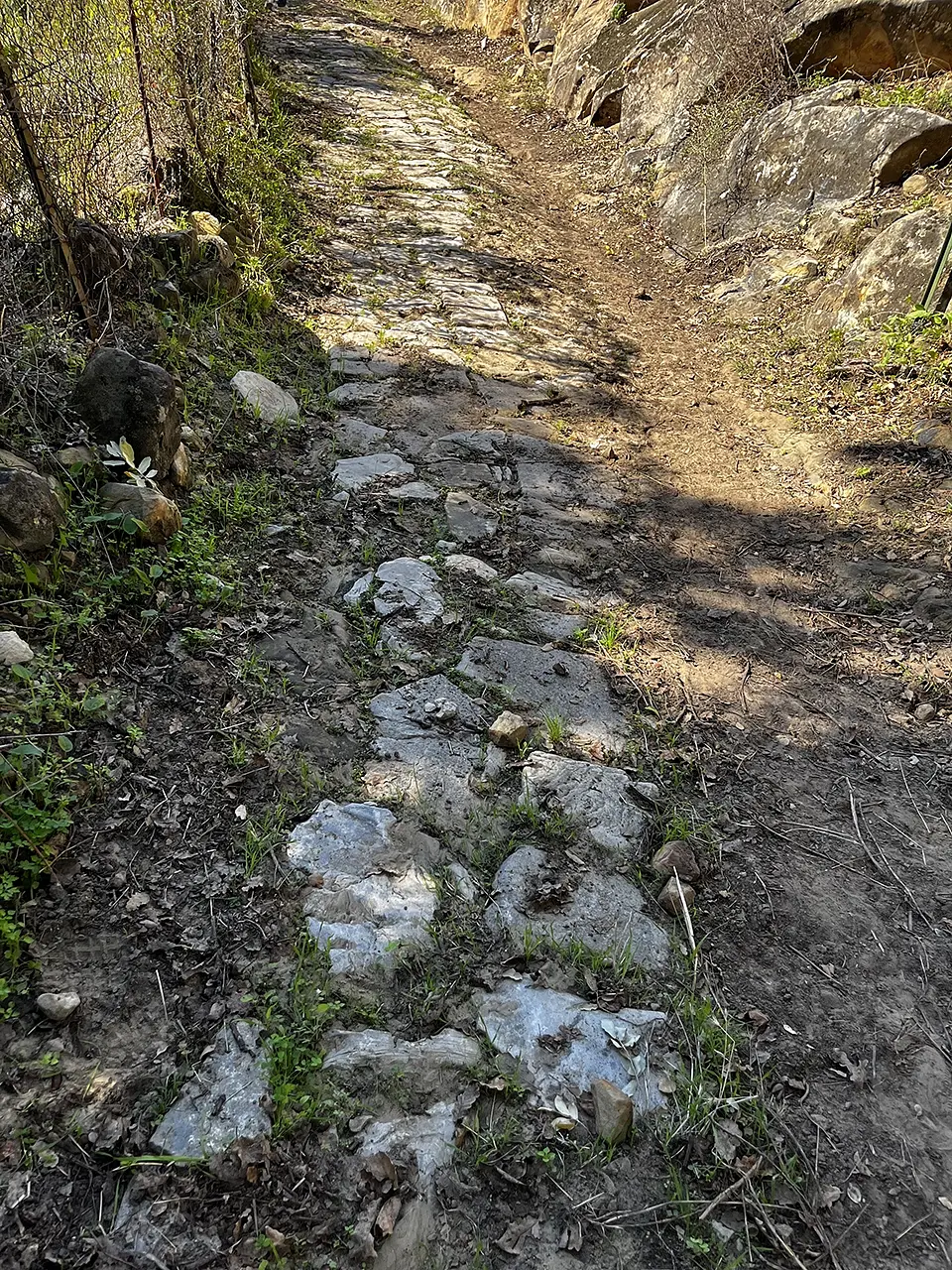
We are in Saccuti, a hamlet of Ferruzzano now abandoned (except for a few brave and resilient souls). We set off with our guides Santo and Orlando towards the old fountain and the Schiavuni area. Here we join the “Strata Cunsulari”, an ancient road from Roman times: a long paved route descending from Locri, leading towards Bruzzano and then Reggio.
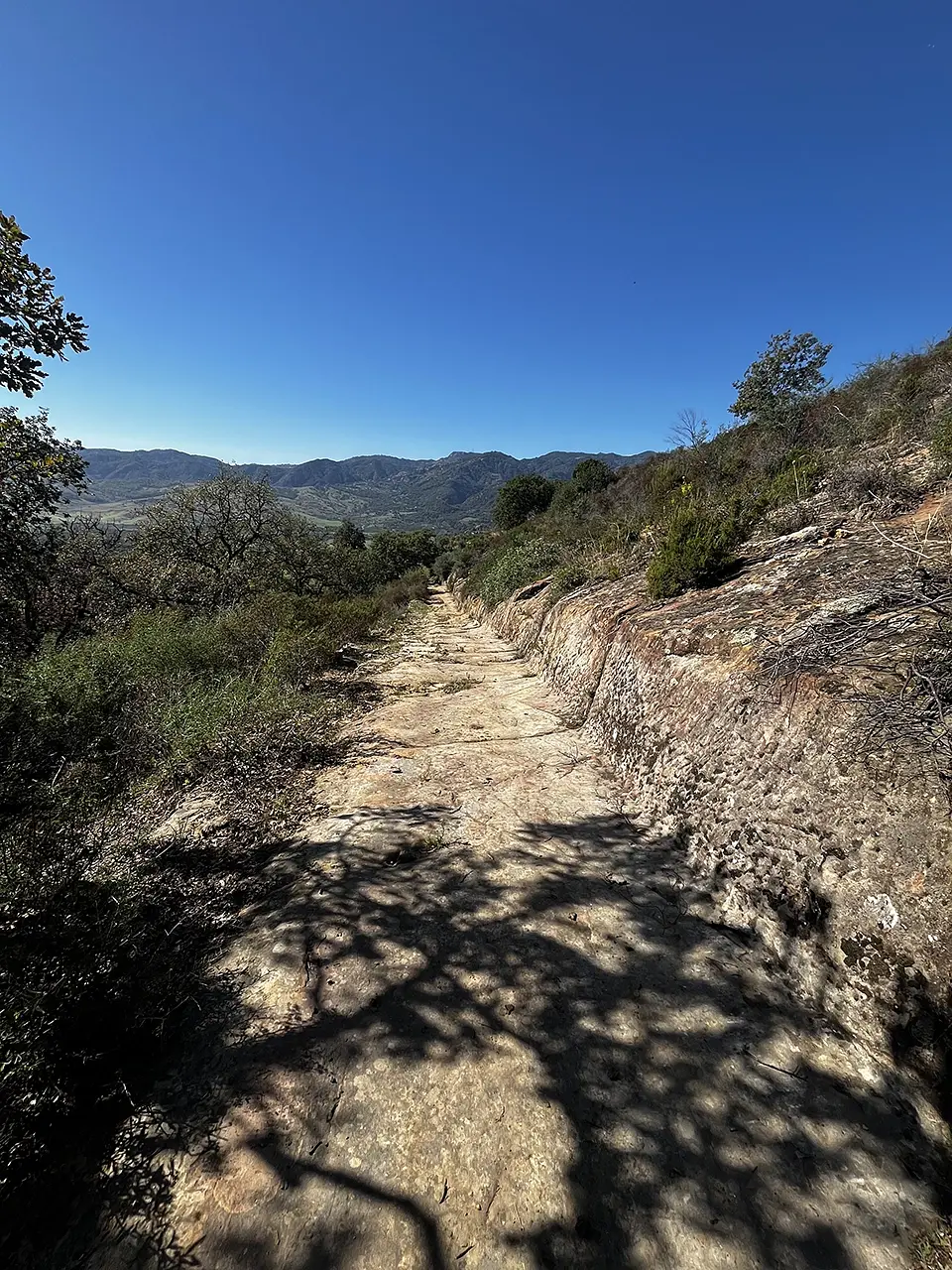
Why it is special: carved into the rock
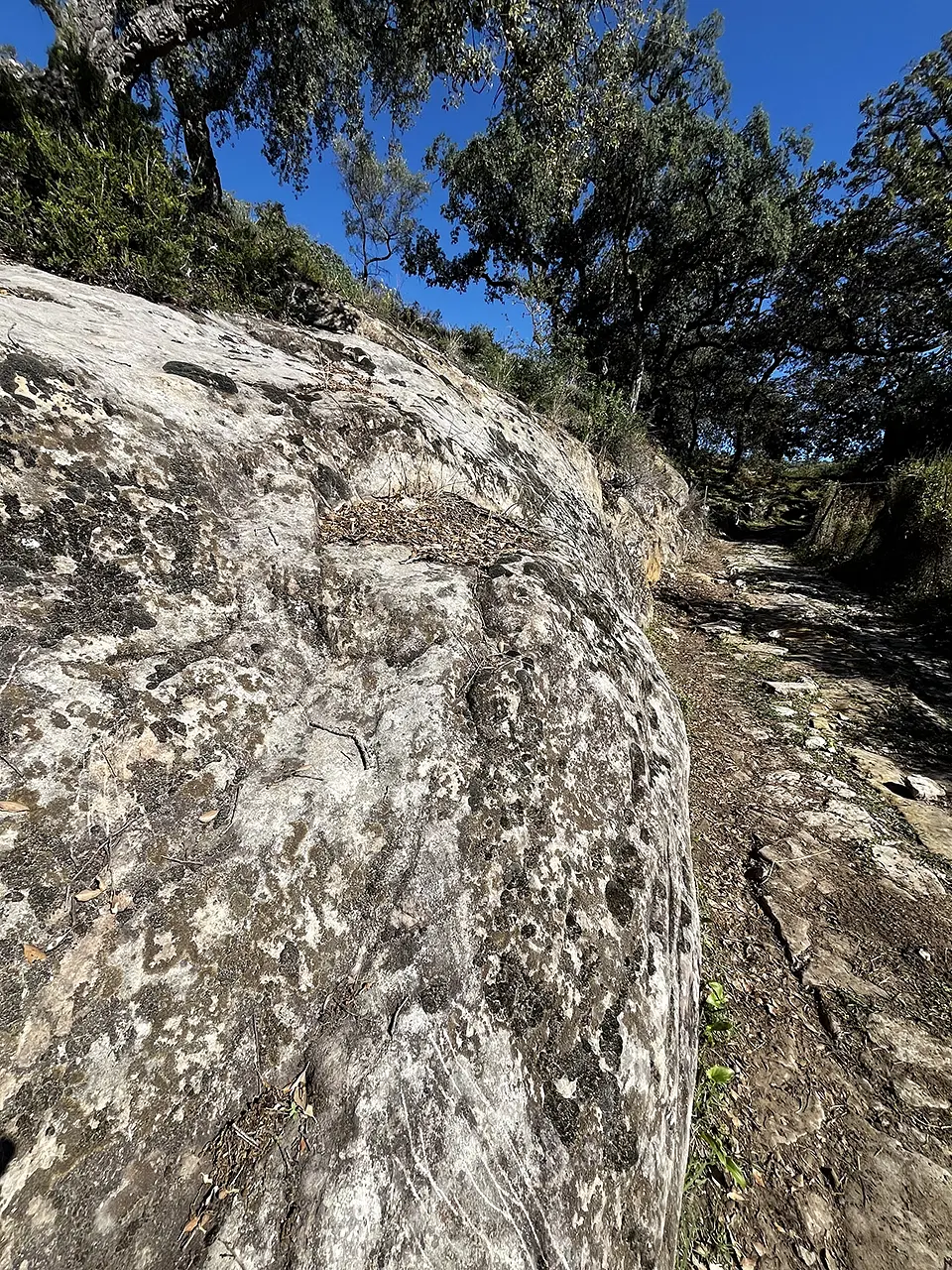
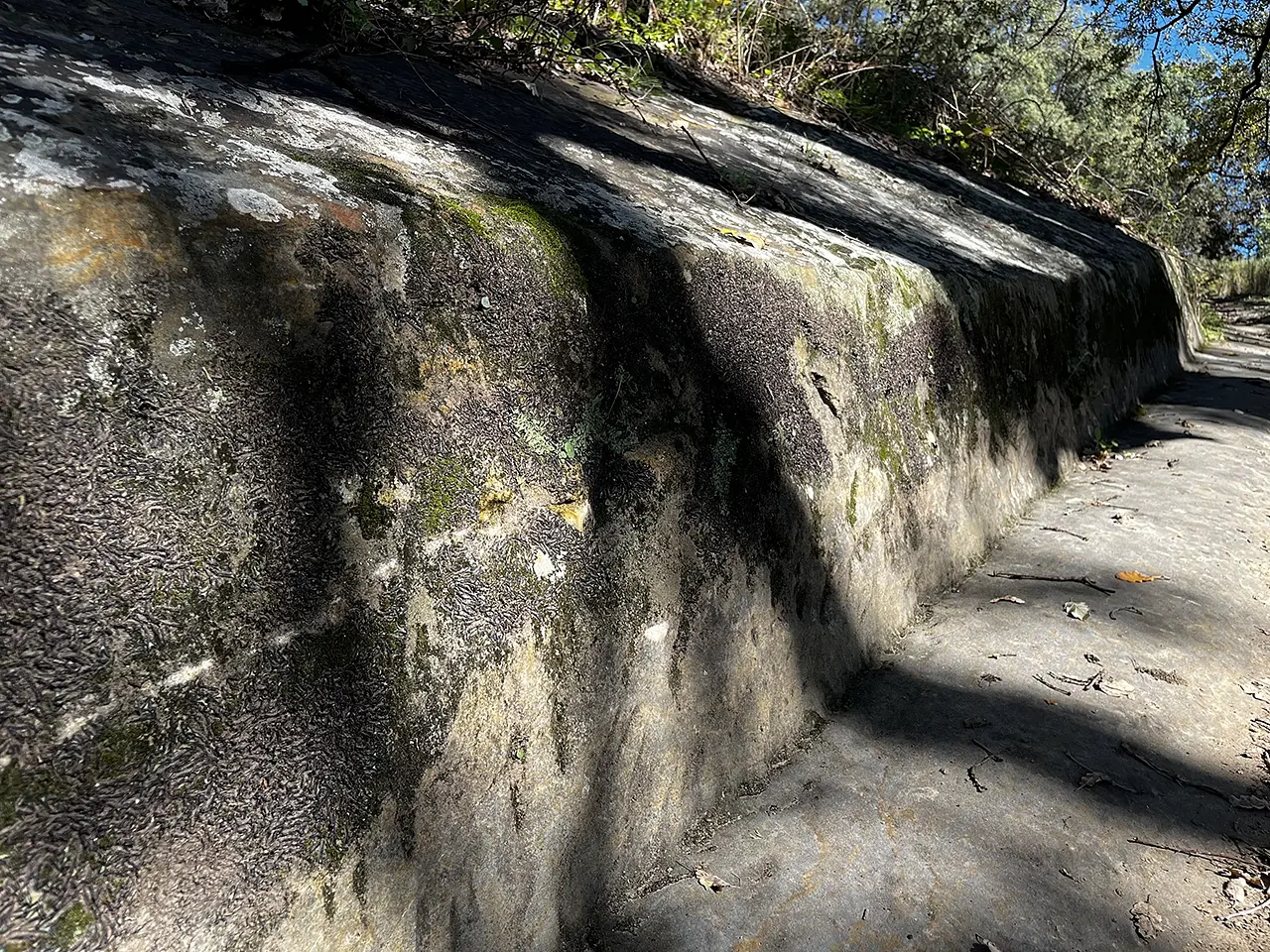
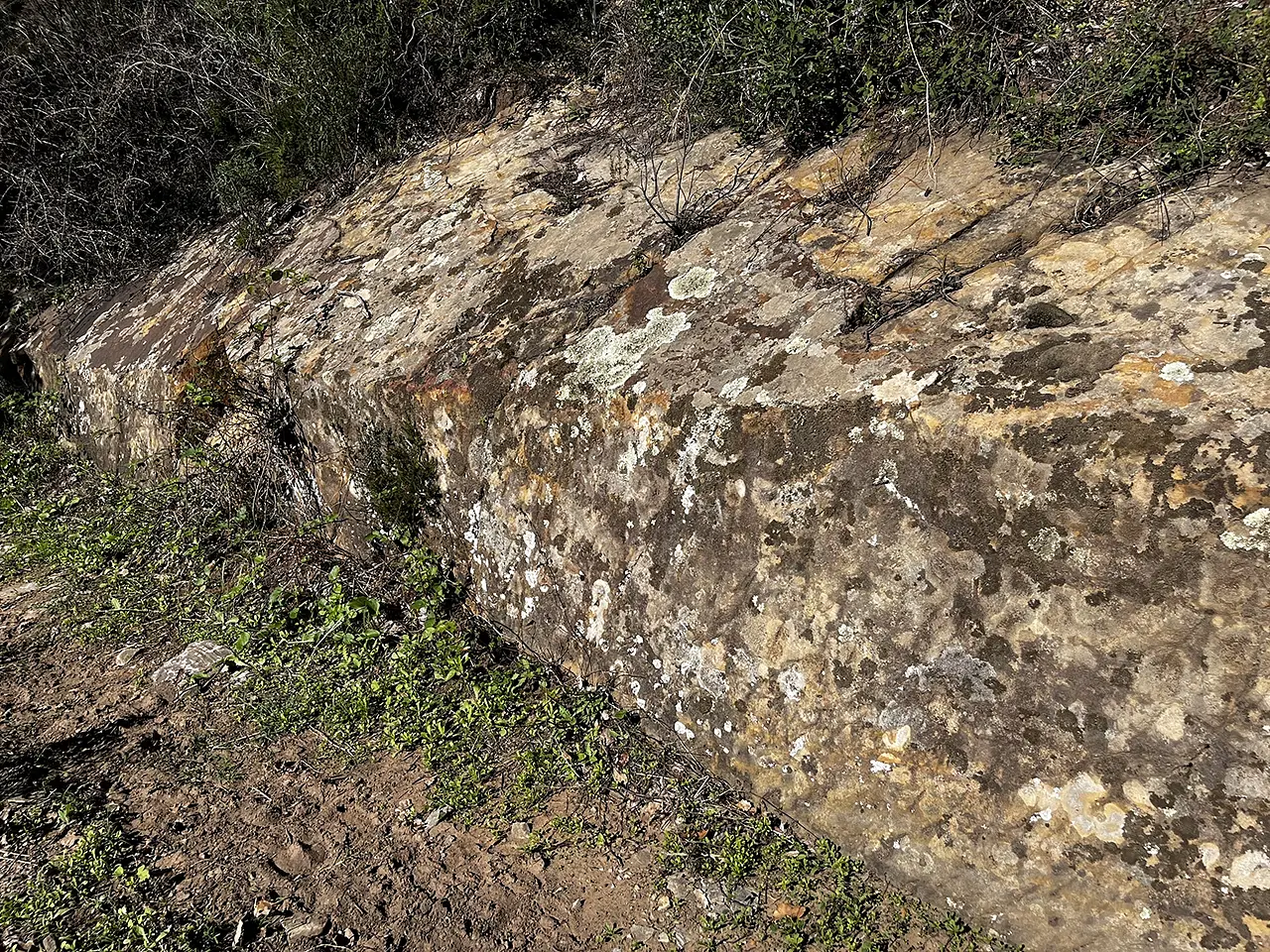
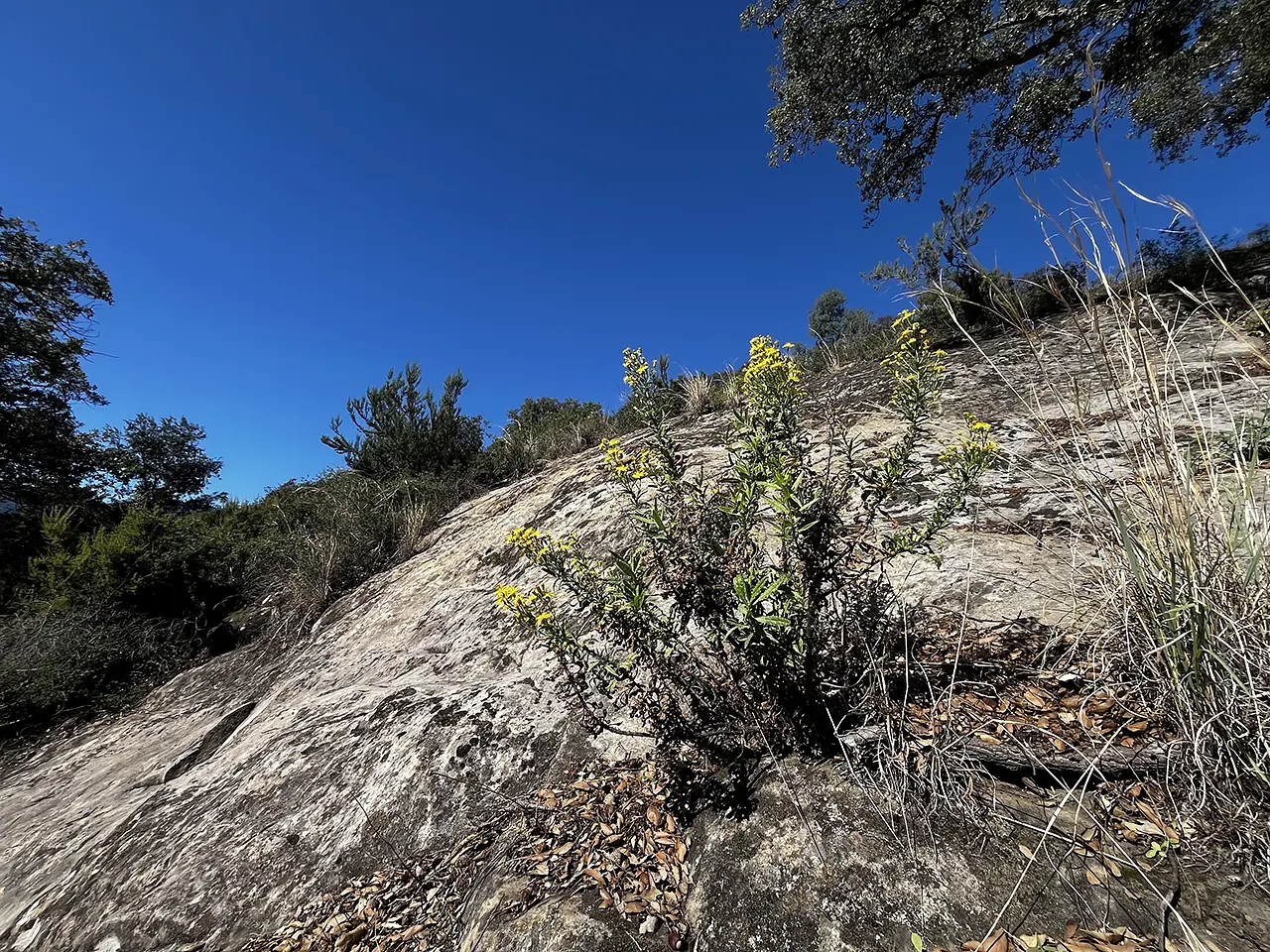
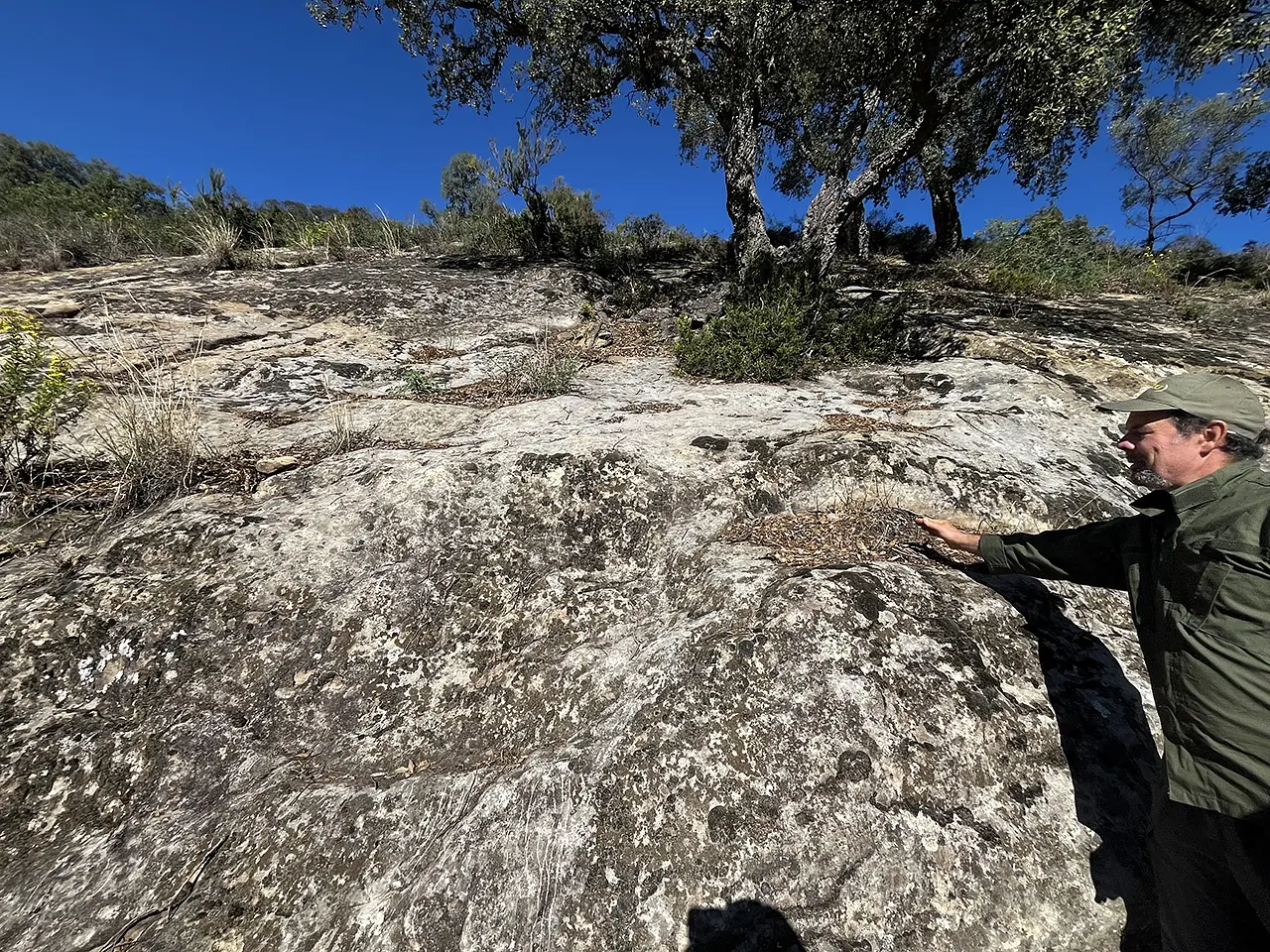
This road was carved into the rock for about 150 metres, perhaps in much earlier times. It remained in use until the 1950s: it was travelled by donkeys carrying loads in “còfine” (wicker baskets). Maintenance of the paved road was entrusted to local families: back then, there was a strong sense of the common good, Orlando remarks. The surrounding nature is lush. Santo points out plants and their healing properties: sticky fleabane, heather, calamint, mastic tree, thorny broom… The only sounds, besides our voices, are sheep and birds and, in the distance, the occasional bell and faint voices. Traffic noise? None.
Not to be missed: the rock-carved wine presses
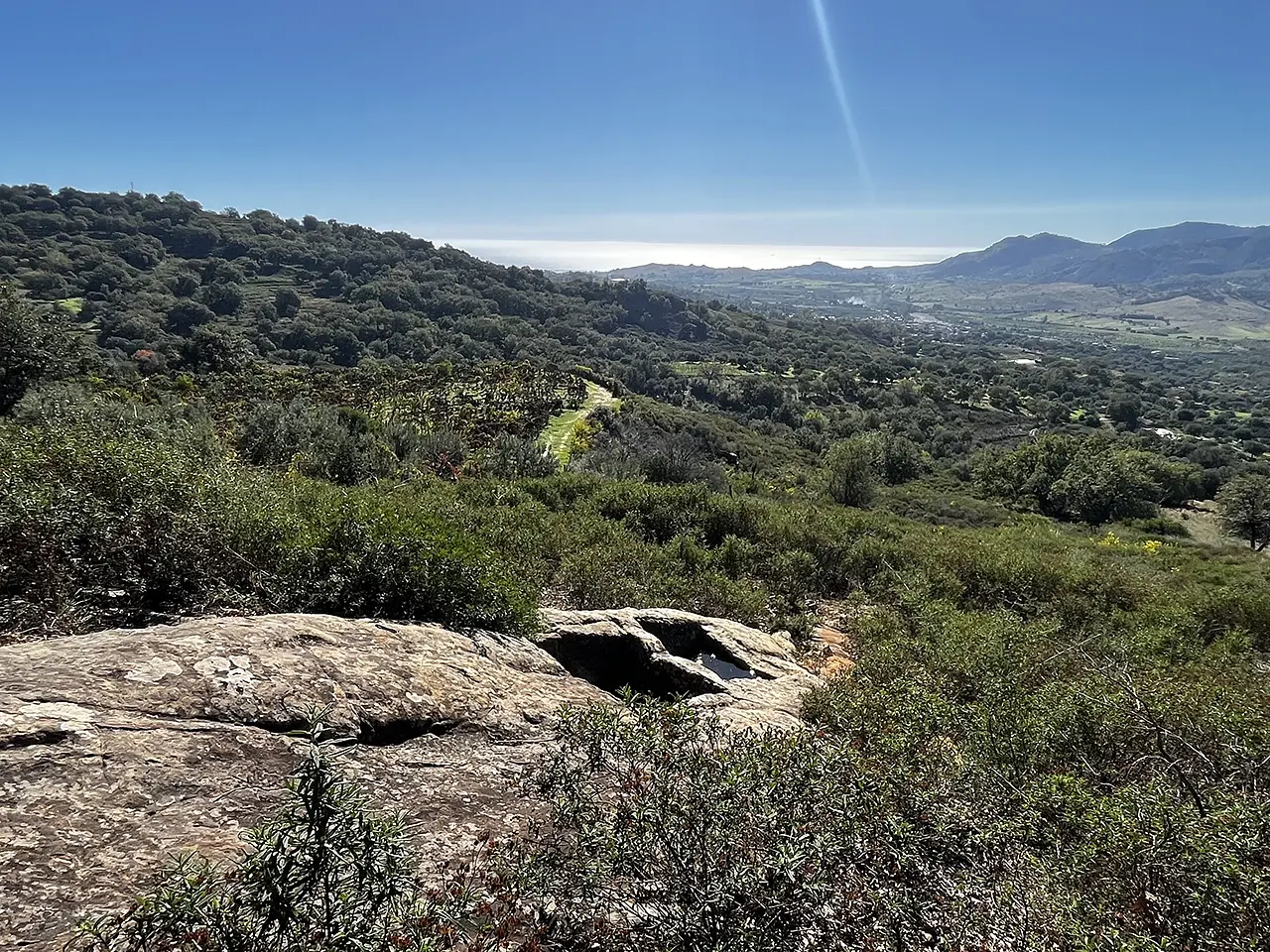
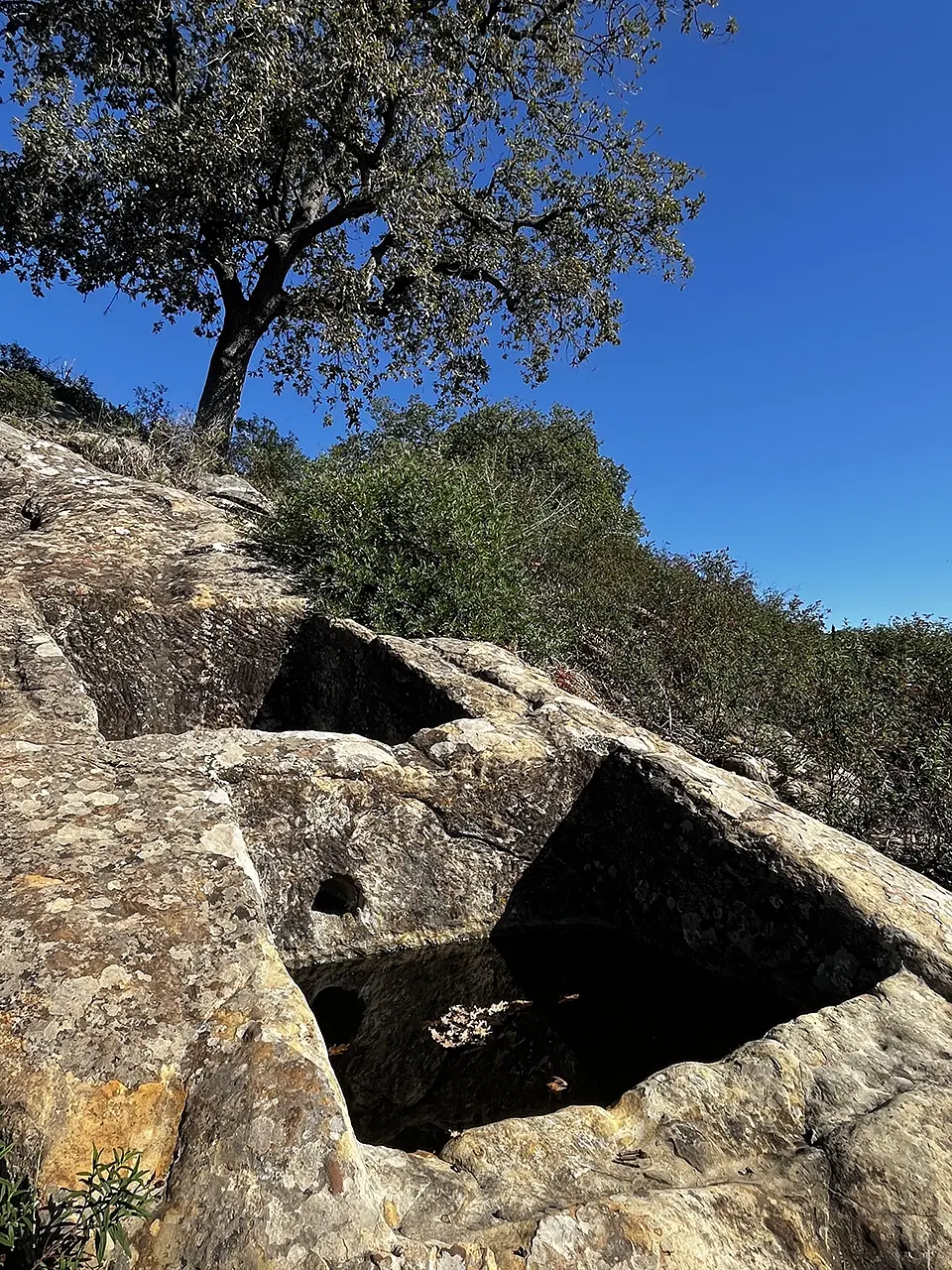
As throughout the Ferruzzano area, along the Strata Consulari there are also rock-carved wine presses: ancient basins carved into the rock where grapes were crushed and must was collected (our guide, Prof. Orlando Sculli, has catalogued about 160 of them in Ferruzzano alone!). We encounter the first press almost immediately, hidden among cork oaks; further on, in the Santa Dominica area, here is another, majestic and prominently displayed, overlooking an unforgettable landscape.
A bit of history: Ancient Rome, Magna Graecia, Prehistory
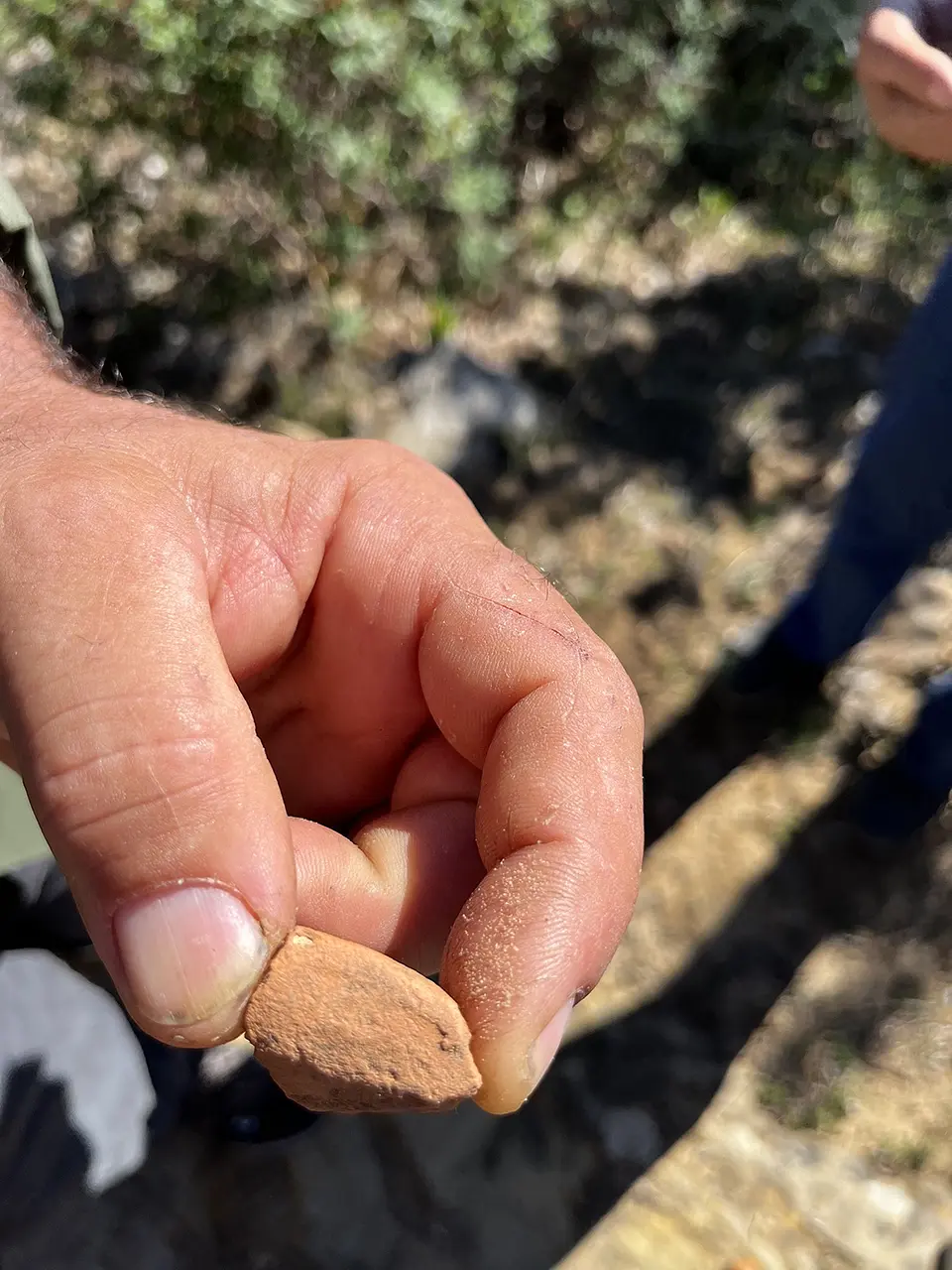
How can we date what we see? Orlando starts searching among grass and stones and finds a small reddish shard, which he gives us. Even today, it is easy to find fragments of amphorae and roof tiles near the Santa Dominica press: they reveal the presence of a Greek settlement in the 6th–5th century BC. But Santo and Orlando also point out another clue, invisible to our eyes: what tools were used to carve the rock? If the marks are long and straight, they were made with iron tools and date back to the Neolithic. If they are short and diagonal, they were made with stone tools (the chopper and the hammer) and date back to the Lower Palaeolithic. In the oldest artefacts, time has erased all traces of the marks and softened the edges. It is extraordinary to learn to read history in nature, and we feel deeply grateful!
Curiosity: the invisible that appears
Speaking of what is invisible beneath our eyes, Santo and Orlando point out notches in the rock where the road was carved: three faint steps leading up to a fourth, slightly wider one. This is the “petra du cavarcaru”, used to mount the donkey more easily!
Enter the Map of Italy's Hidden Wonders and find treasures where you least expect it... Inspire, Recommend, Share...
Contacts
Collections
The Map thanks:
PNRR M1C3 2.1 Attrattività dei Borghi, Linea B Ferruzzano: Borgo del benessere, Int. 12 Hub digitale, CUP J98C22000050006, CIG B701ED11E2

Enter the Map of Italy's Hidden Wonders and find treasures where you least expect it... Inspire, Recommend, Share...
Where
Contacts
Collections