

Swordfish, Prince of the Strait
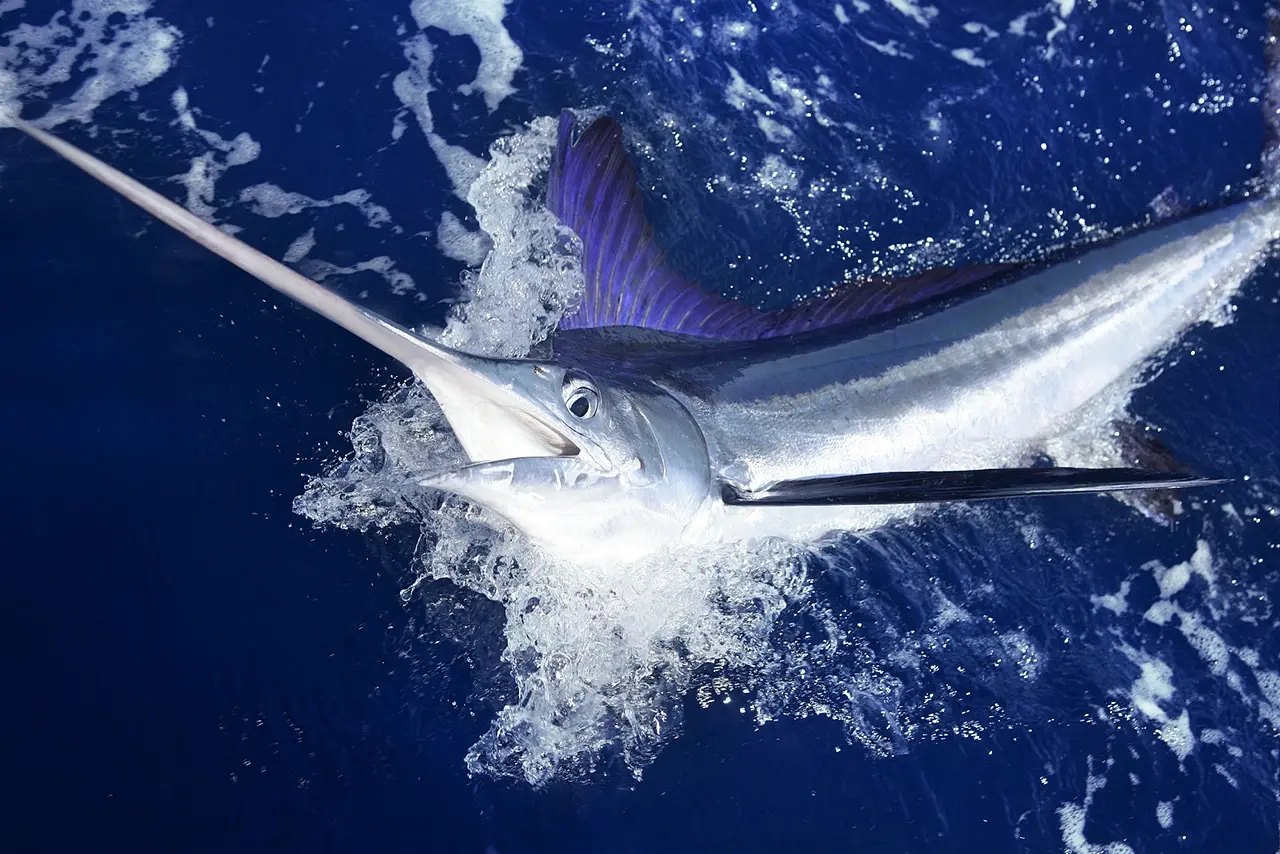
Between Scilla and Bagnara Calabra, swordfish are not simply caught: they are hunted with harpoons in a tradition as ancient as the Strait itself.


Where

The "hunt" for swordfish: a bit of history
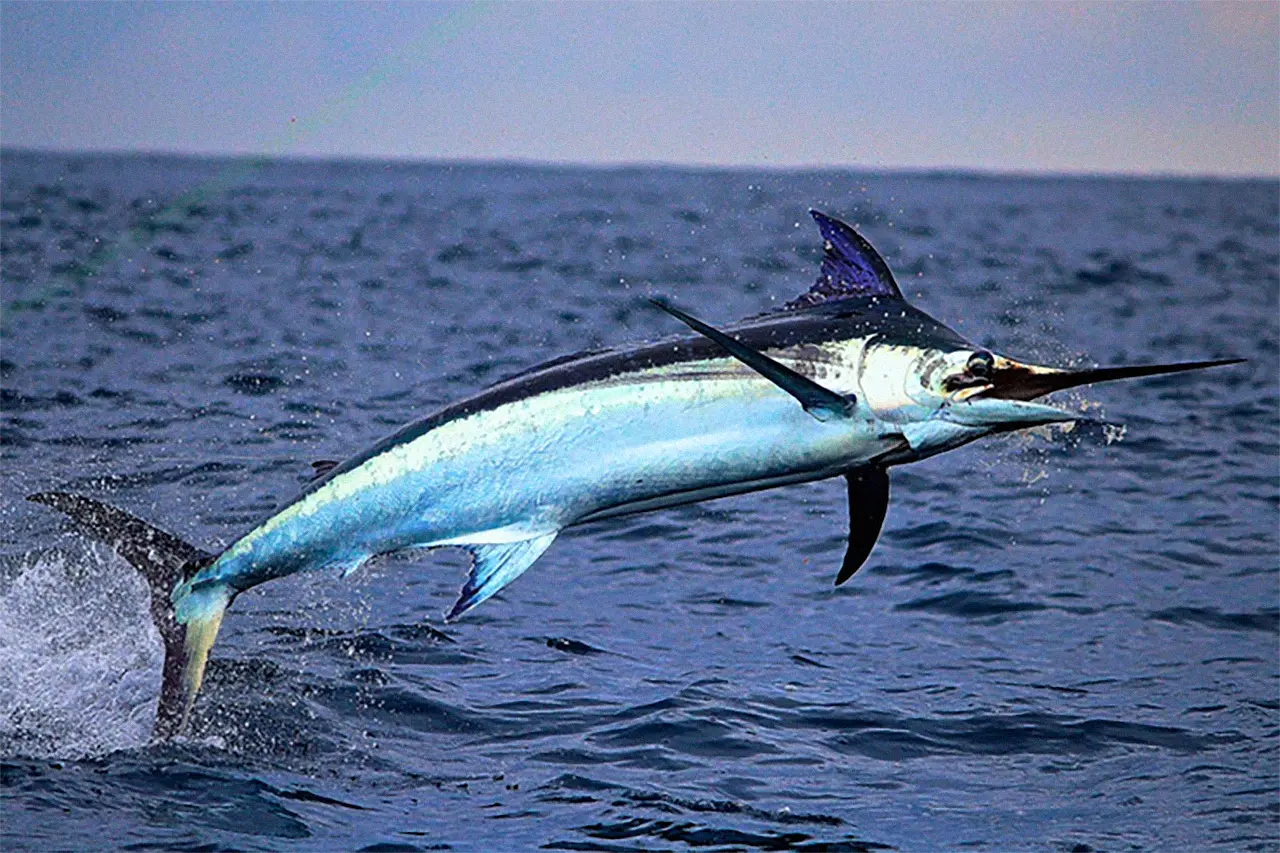
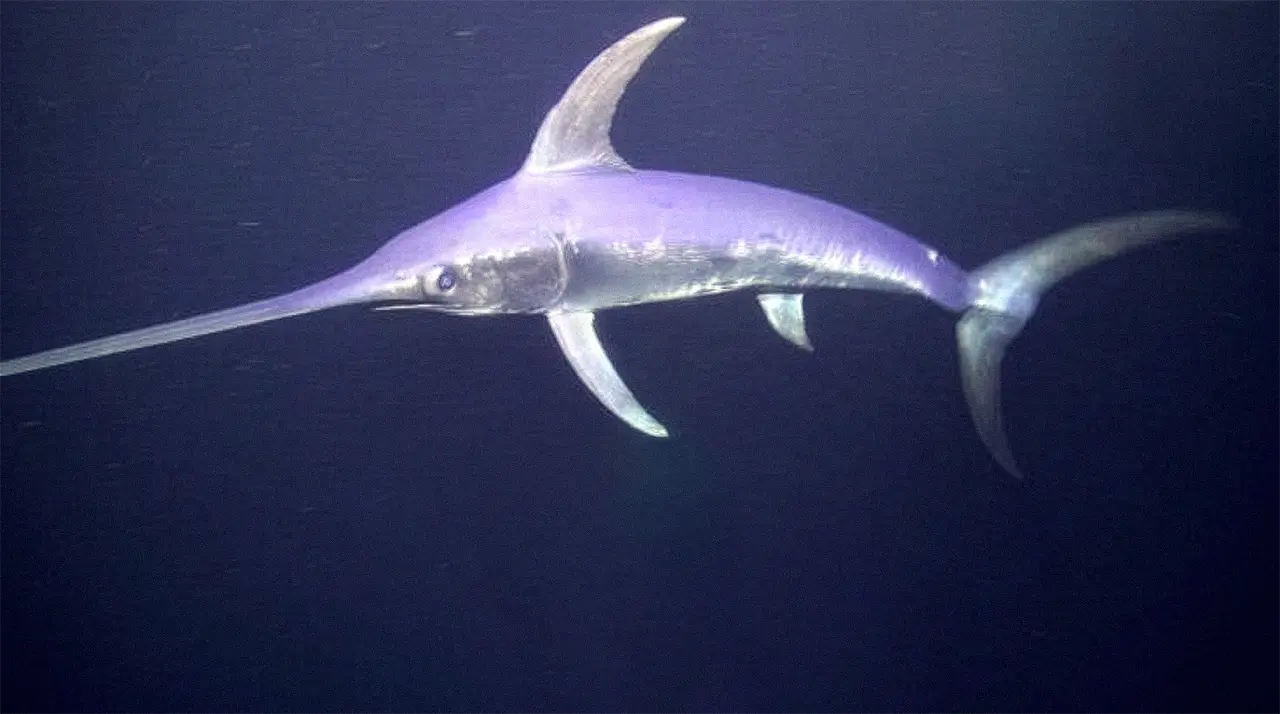
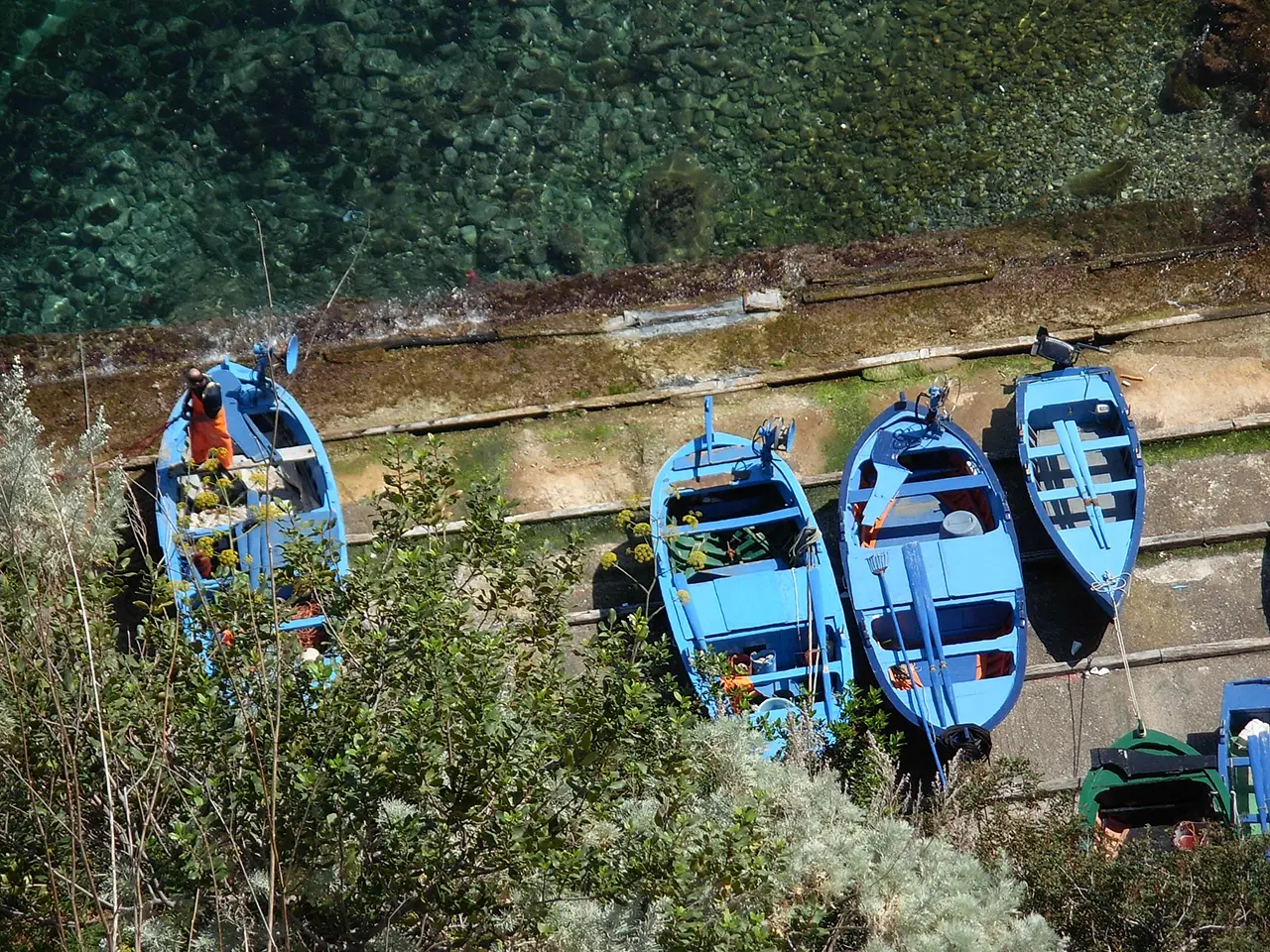
Who knows what prompts this large pelagic fish (Xiphias gladius) to converge on the Strait of Messina when the call of nature is triggered between April and September. The fact is that man has been taking advantage of this since time immemorial by engaging in a confrontation that could once have been called epic: aboard spears, so to speak, "racing," propelled by four rowers in a spasmodic pursuit from the cry of the lookout to the harpoon throw of those who leaned over the prow. One of these boats is preserved in Scylla in a section of the Ruffo Castle that serves as a museum of this historic activity. It is often identified as a "felucca," but the more characteristic term is "luntro" in which the accompanying archaic heritage is more vividly captured.
Today things are basically the same, except for the equipment of the few motorboats, the so-called "gangways," that still practice this activity, 500 horsepower below deck, mast and forward offshoot so long that one wonders how much ballast they have to take on board in order not to tip over. Still, it remains a fishery, - or rather a "hunt," as it would be more appropriate to call it, - of less impact than far more hasty systems, such as longlines, lines bearing hundreds of baited hooks, which among other things can lead to the accidental capture of turtles, dolphins and even sea birds. The fact is that if swordfish in the Mediterranean is a species of concern, it is certainly not because of fishing in the Strait.
Where it is practiced
The Costa Viola is the stretch of Calabrian coastline that has remained most faithful to the swordfish tradition. Scilla has even dedicated a sculpture to this historic resource on the belvedere in Piazzale San Rocco, by local artist Carmine Pirrotta: the swordfish is clutched by the fisherman in a convulsive embrace that well renders the tension of this timeless activity, of which anthropologists have investigated archaic words and rituals that are still in place. Of course, that sense of sacredness has lost its Homeric polish, but the fascination remains, so much so that a unique form of "fishing tourism" has resulted, with the more emotionally inclined vacationers lining up to board the spadare.
What to see: the swordfish festival
Then there is the Swordfish Festival, started in the mid-1980s, which in the heart of the bathing season is among the most popular events. As for gastronomy, the two cuisines facing the Strait go hand in hand, and apart from some dialectal inflection , there are basically two traditional recipes: swordfish chops, rolls invigorated with breadcrumbs and provolone cheese; and swordfish a ghiotta, that is, in a sweet-and-sour sauce with tomatoes, capers, olives, pine nuts and raisins. In terms of current events, however, more than the eccentricities of the chefs, the sandwich that precisely in Scilla marked the debut of swordfish in the world of street food deserves mention: grilled and sprinkled with a brine of olive oil, oregano and lemon, to say only of the most essential of the proposals.
Enter the Map of Italy's Hidden Wonders and find treasures where you least expect it... Inspire, Recommend, Share...
Collections
The Map thanks:
Scilla, dove peschiamo sorrisi – Comune di Scilla – PNRR Ministero della Cultura M1C3, Mis. 2, Inv. 2.1 “Attrattività dei borghi storici” – Finanziato dall’Unione europea, NextGenerationEU – CUP: F79I22000150006 – CIG B8DCA761AB

Enter the Map of Italy's Hidden Wonders and find treasures where you least expect it... Inspire, Recommend, Share...