
Ferruzzano millstones: archaeology of wine
An extraordinary record of the Valley of the Armenians, in Ionian Calabria

Where
What are millstones and where are they found
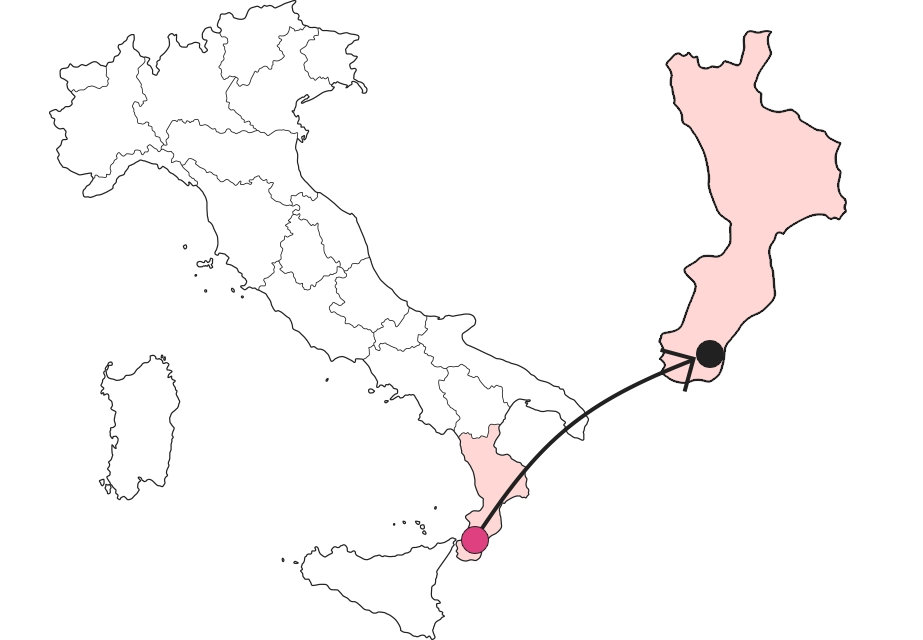
How was wine made in the time of the ancient Greeks and Romans? The millennia-long history of wine in the Mediterranean area features palmenti, special "vats" dug out of stone, used to press grapes and collect the must. In Calabria, "Italy's vineyard," there are many of them. In particular, the territory of the tiny village of Ferruzzano preserves an astonishing number of them , to say the least: more than 150!
A bit of history: the census of palmenti by Prof. Sculli
Palmenti are evidence of different civilizations: Hellenic, Roman, Byzantine, Armenian. We are helped in dating by the symbols or crosses (Justinian, Byzantine, Armenian) engraved in the stone. Prof. Orlando Sculli, author of a valuable book, I palmenti di Ferruzzano (FI, 2002, ed. Palazzo Spinelli), explains this to us with contagious passion, surveying the palmenti of the small valley of Ferruzzano: from the fiumara of Bruzzano in the south, to the Bonamico stream of Bovalino in the north. Guess how many there are? Approximately 750!
How the palmenti are made
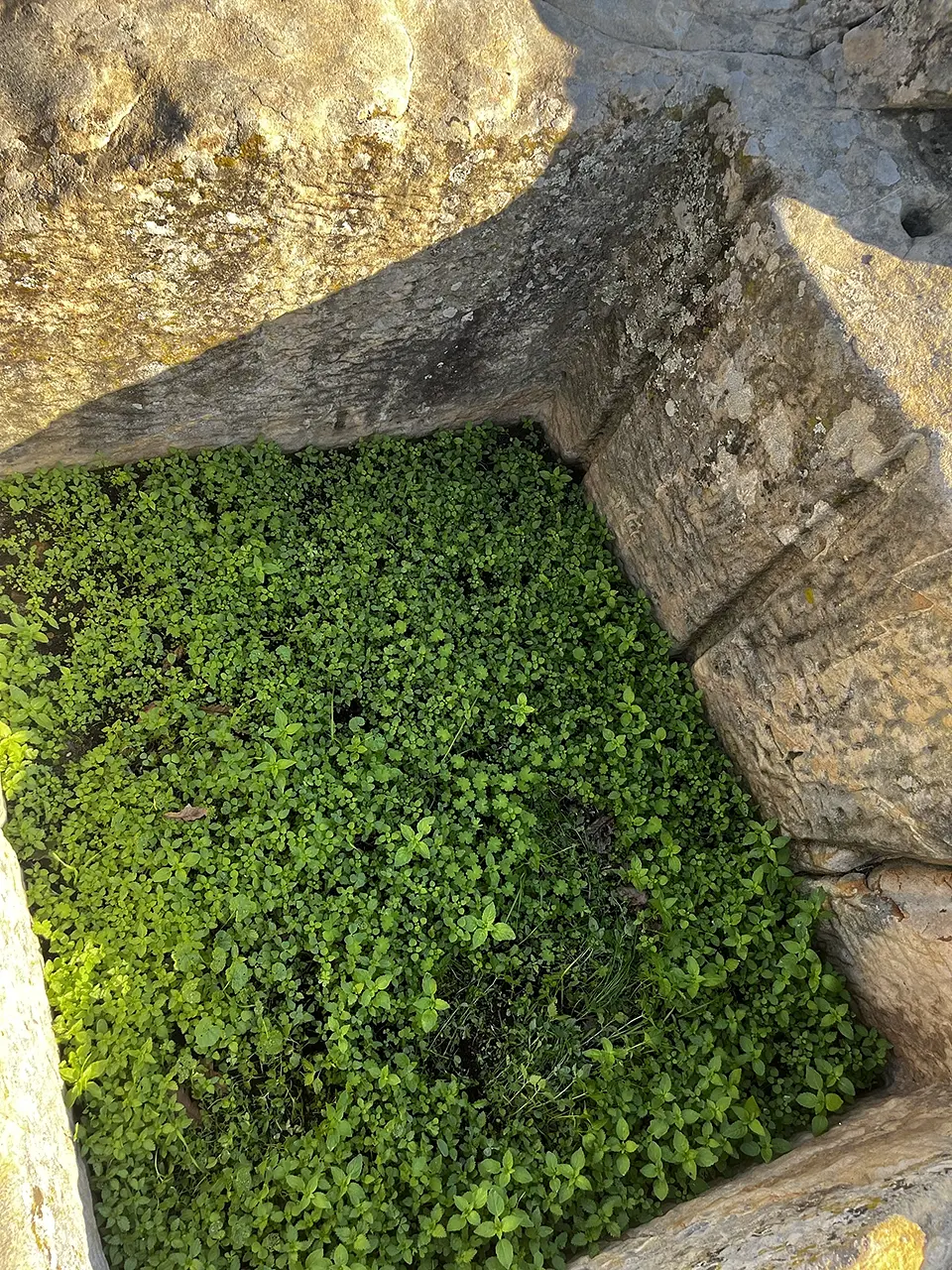
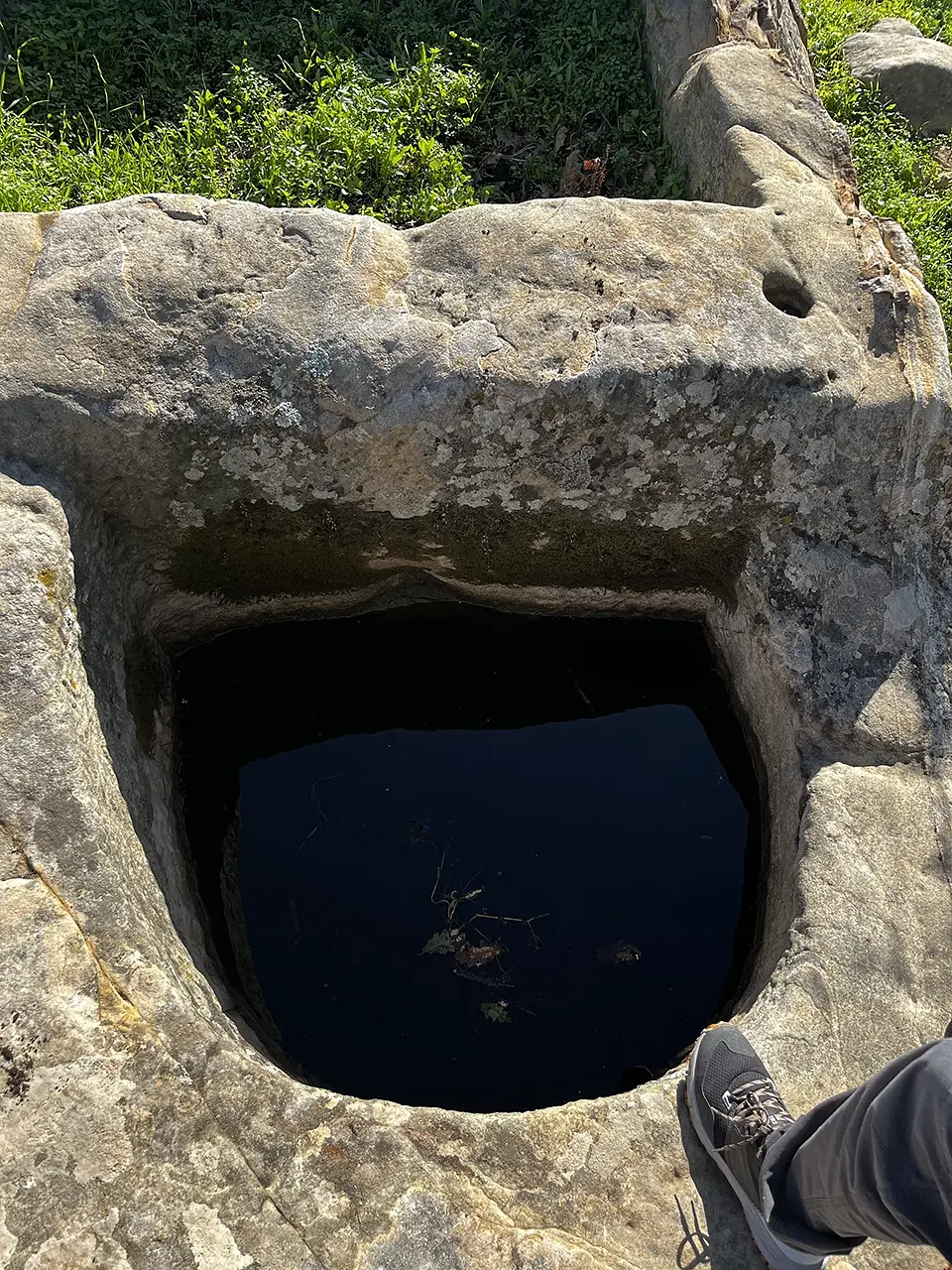
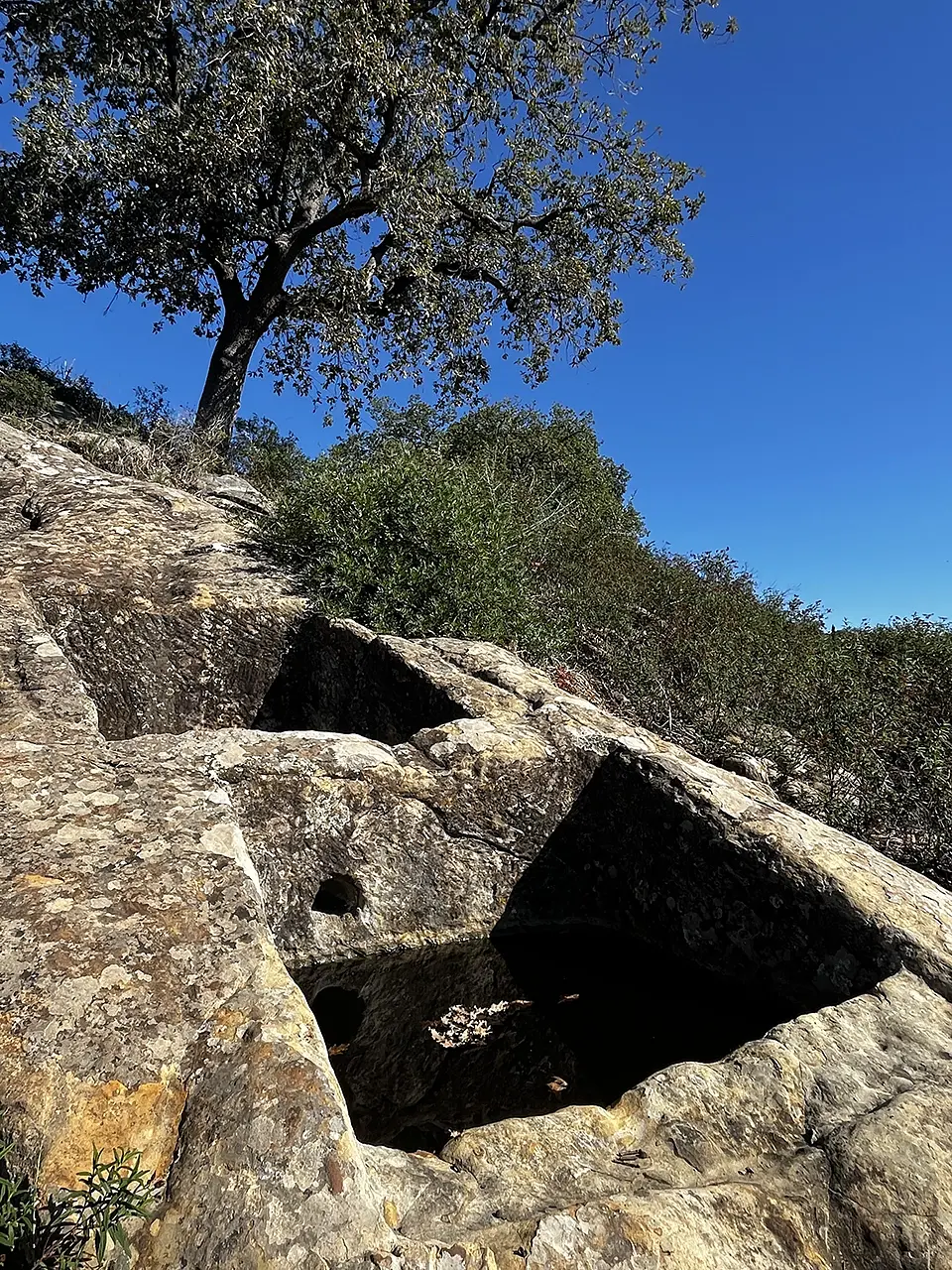
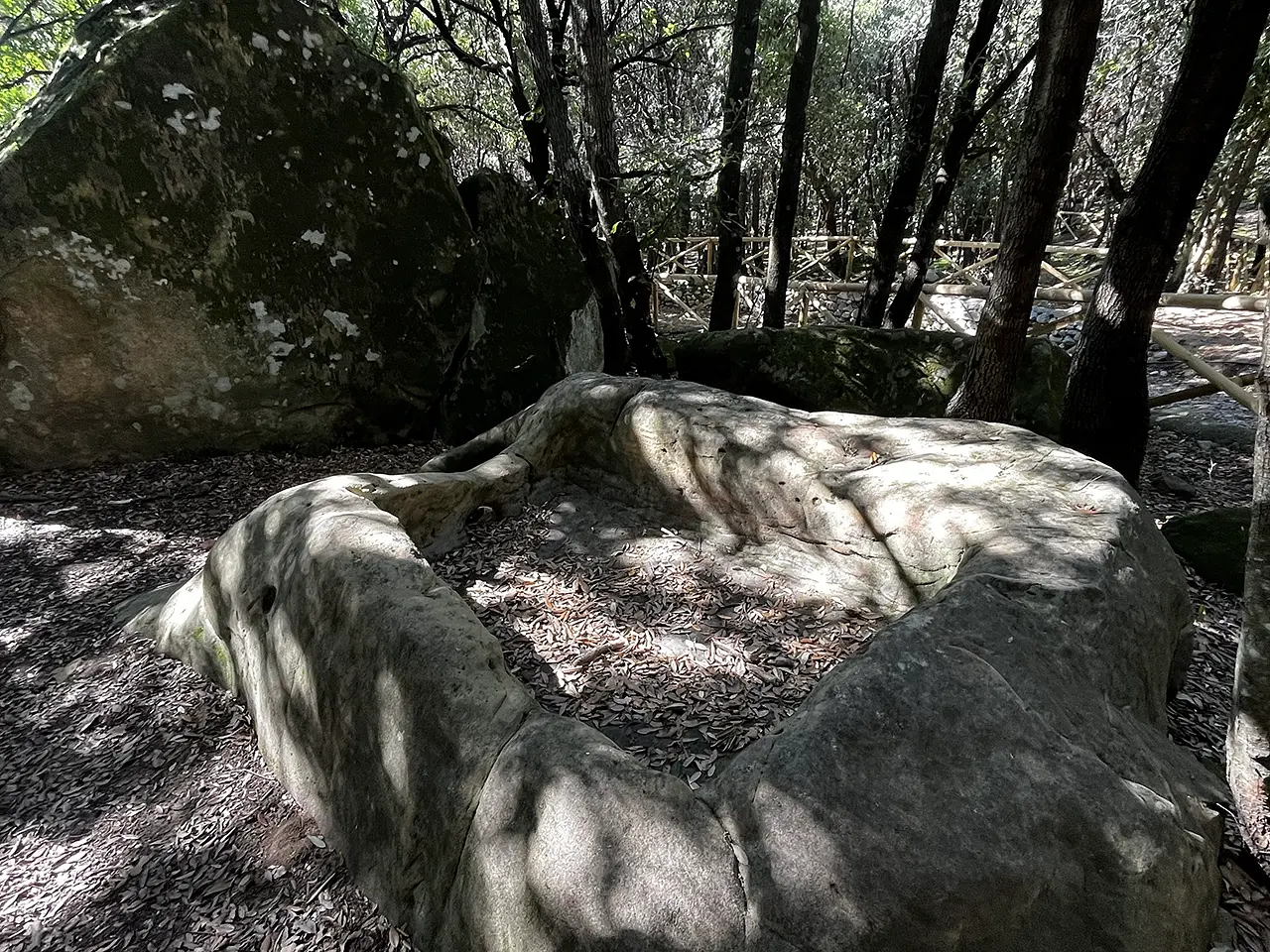
The palmenti consist of two tanks placed at different heights and communicating through a gutter. The upper, larger basin is called buttiscu and grapes were put there. In the lower, smaller tank, the must was collected: it is called pinàci. In the center of the pinaci a small bowl-shaped cavity, the fundéllu, allowed every last drop of must to be recovered. Palmenti are always found near ancient paved roads to facilitate transportation.
How wine was made
The grapes were carried to the palmento on the back of a donkey or by women in baskets balanced on their heads. The grapes were poured into the buttiscu. The communication hole between the two tanks was plugged with clay and the grapes were pressed barefoot. Must and marc were left to ferment in the large tank for 48 hours. Then the clay plug was removed and the must dripped into the pinàci. Finally, the pomace was pushed into the upper part of the tank, often blocked by a kind of wooden sluice (consu), and squeezed well with a system of weights. The must was poured into goatskin wineskins, loaded onto donkeys and taken to the cellars. We know all this because this archaic system remained in use-though sporadically-until the 1950s.
The Ferruzzano millstones
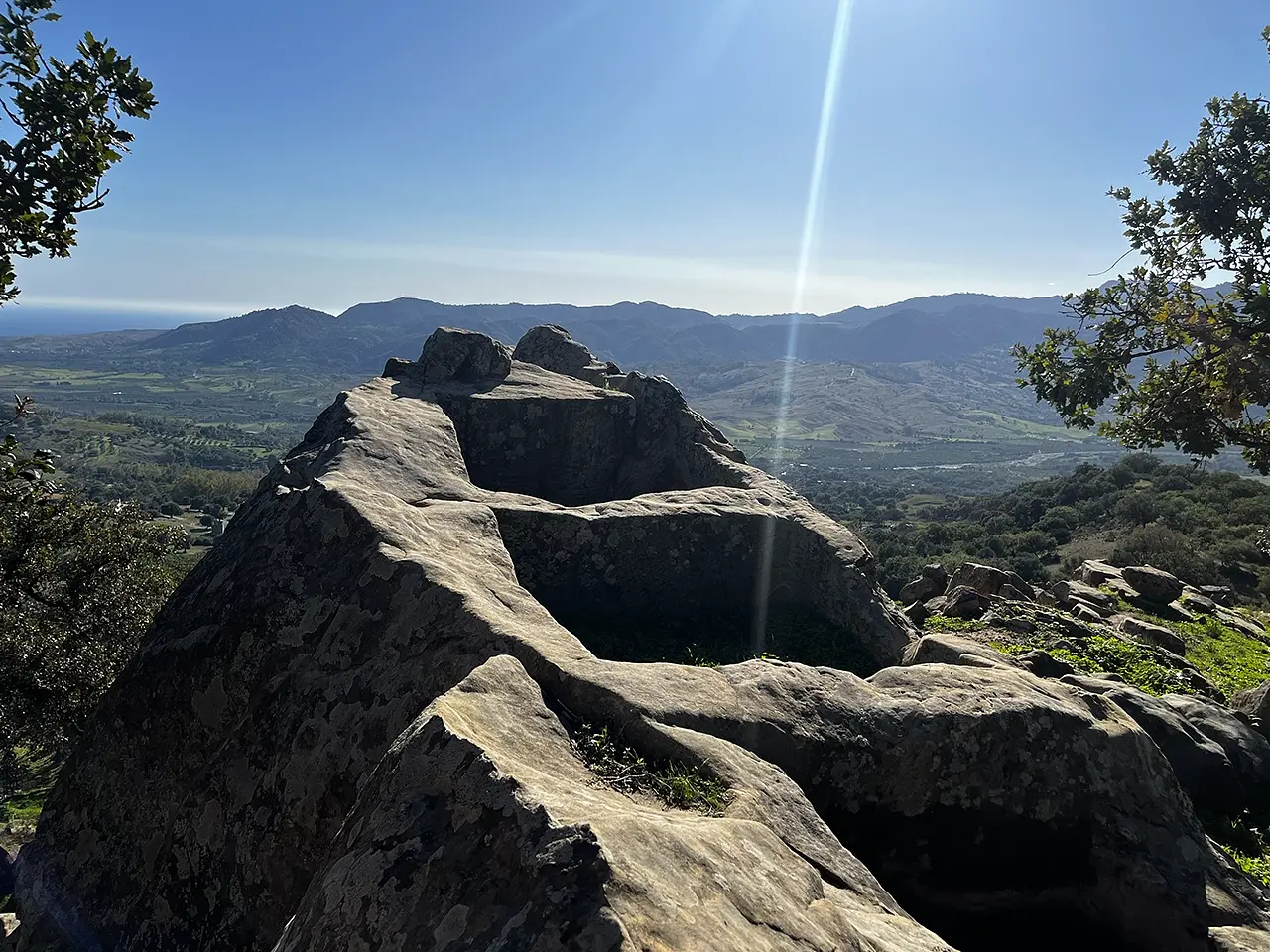
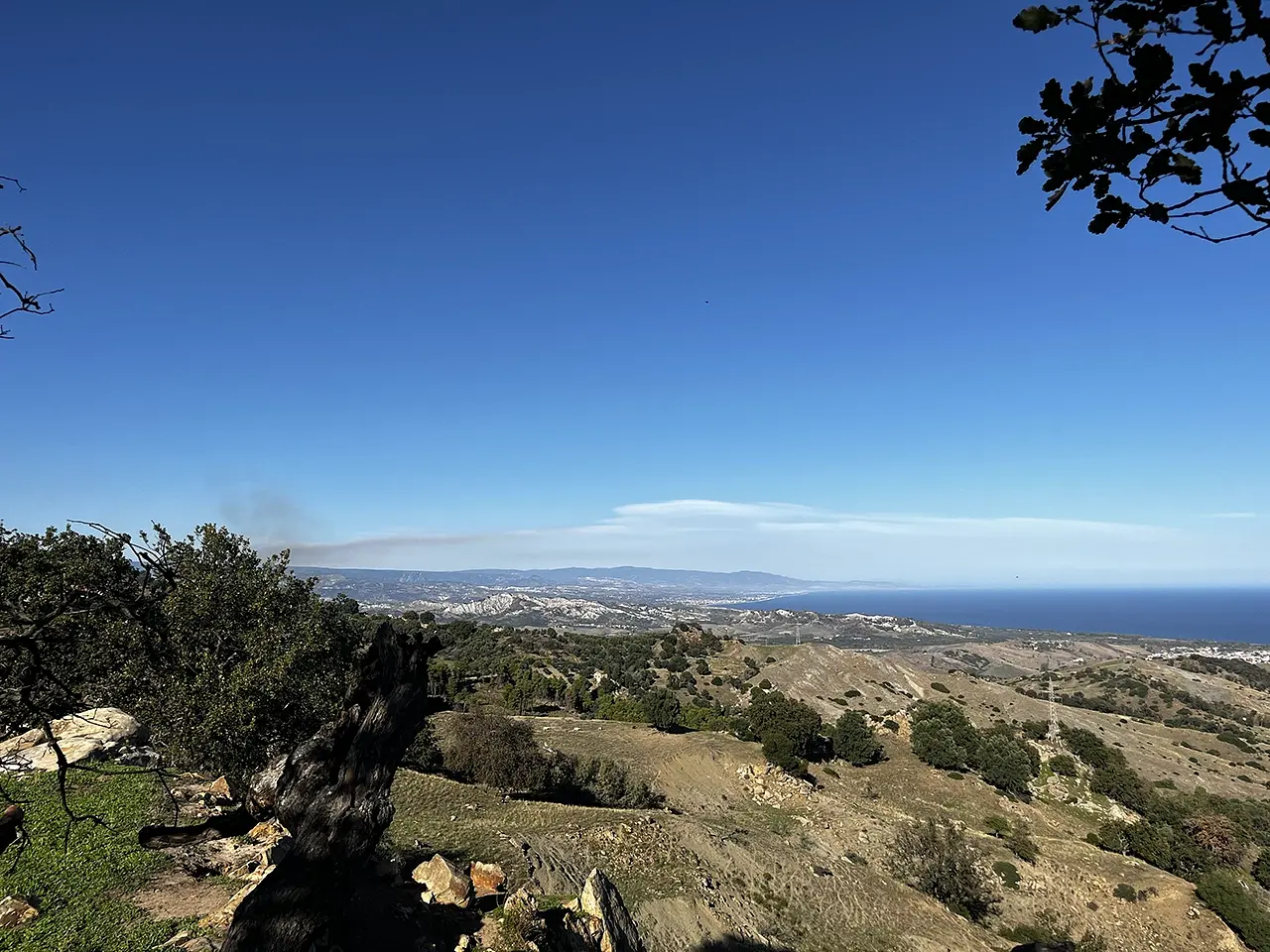
Since we cannot mention them all, we invite you to discover the ones in the Rudina forest, camouflaged among holm oaks and oak trees. They are probably from pre-Byzantine times, the professor explains: we can tell by the fact that the pickaxe blows are completely obliterated by time. The first one we encounter also has a "libation basin," where sacrifices to the deities were made. Then there is a monumental millstone, in the Suvari district, that will leave you speechless. Not so much because of the size and the two buttischi, but because of the majestic view of the sea of Brancaleone. Orlando calls them "altars of wine," and the dimension of the sacred here is indeed almost tangible.
Enter the Map of Italy's Hidden Wonders and find treasures where you least expect it... Inspire, Recommend, Share...
Collections
The Map thanks:
PNRR M1C3 2.1 Attrattività dei Borghi, Linea B Ferruzzano: Borgo del benessere, Int. 12 Hub digitale, CUP J98C22000050006, CIG B701ED11E2

Enter the Map of Italy's Hidden Wonders and find treasures where you least expect it... Inspire, Recommend, Share...
Where
Collections