
The Guide Baths and the hydroelectric power plant
Industrial archaeology and wellness coexist in the woods surrounding Bivongi



Where
What is it and where is the Bagni di Guida site
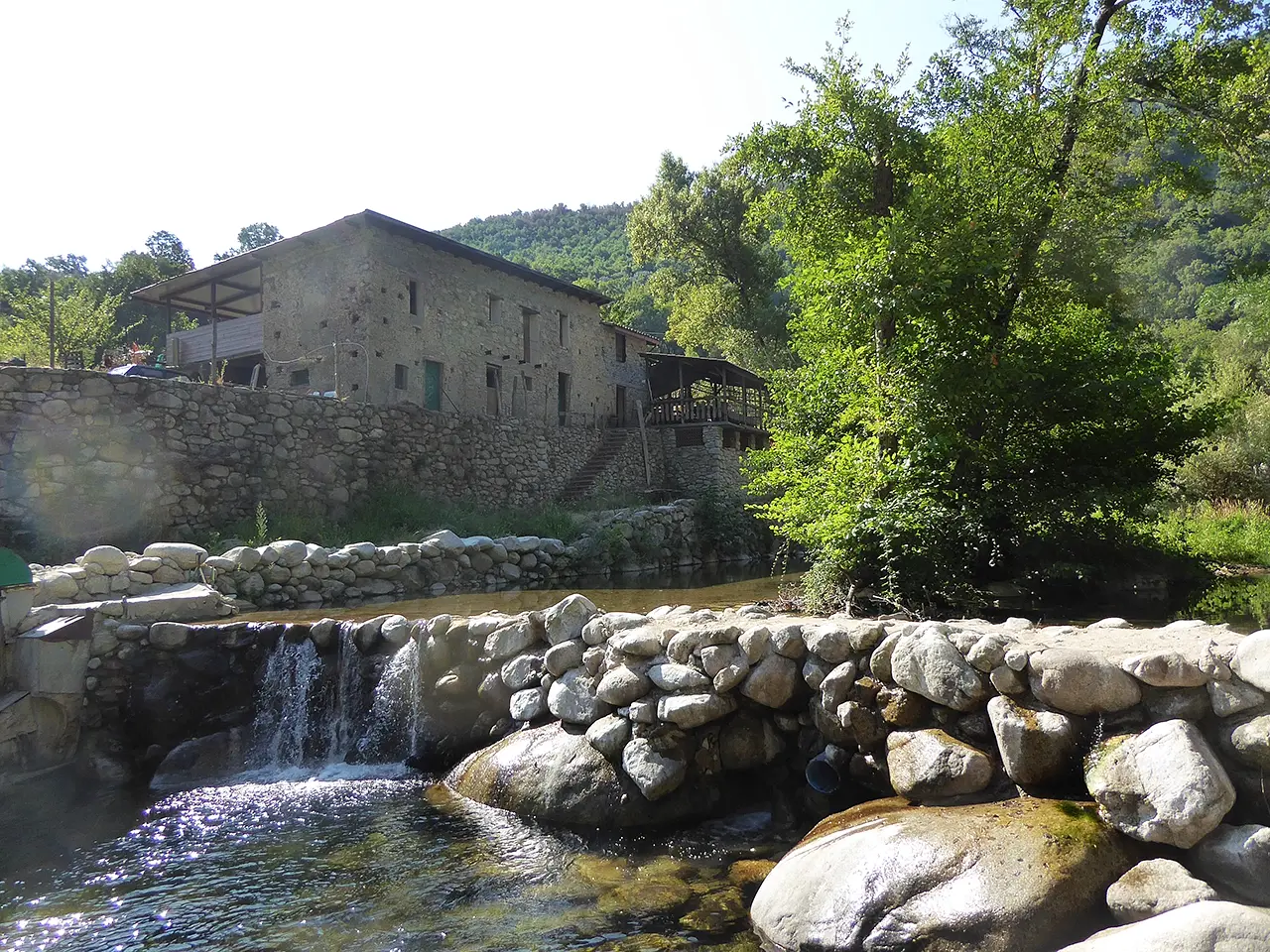
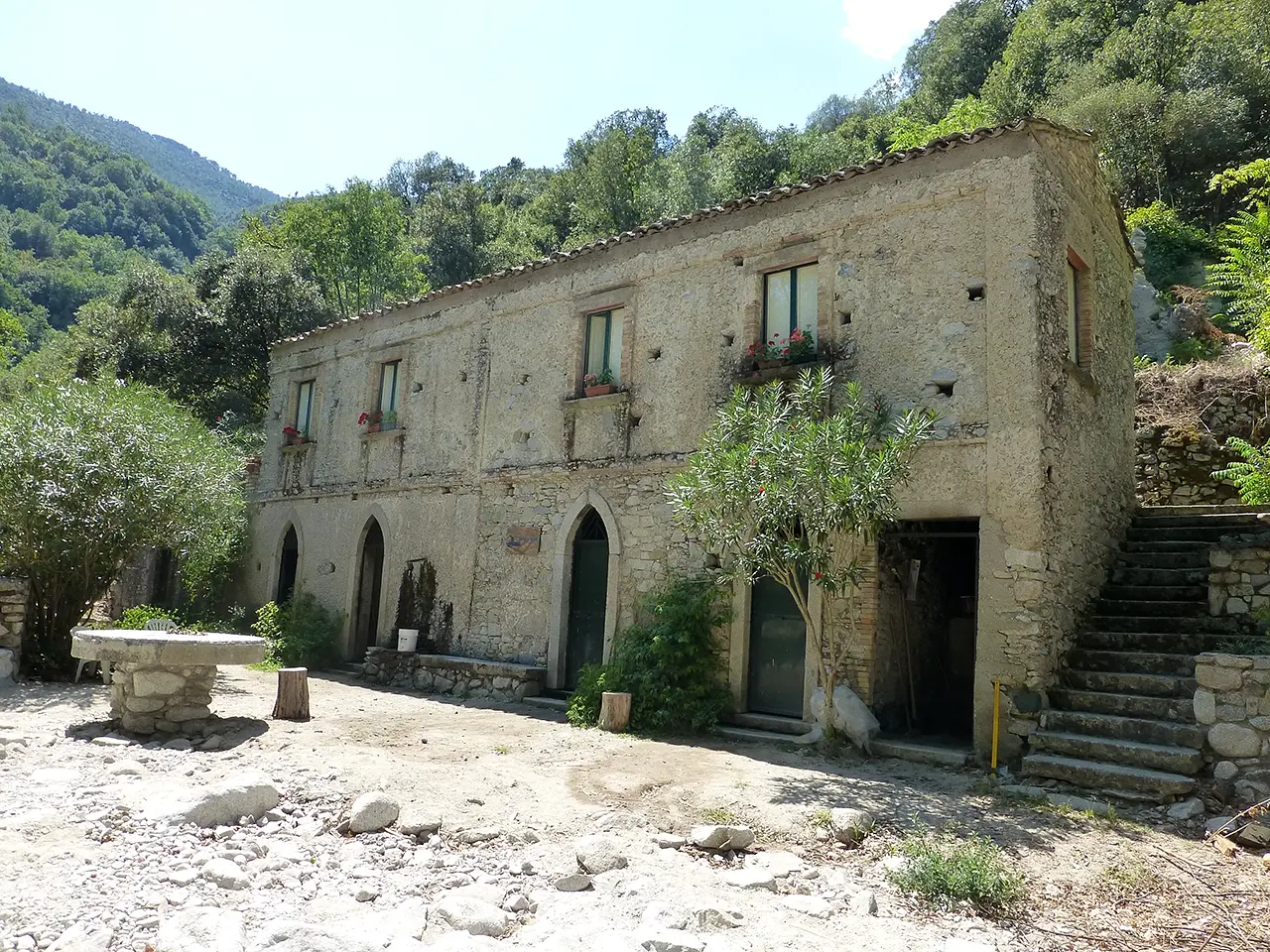
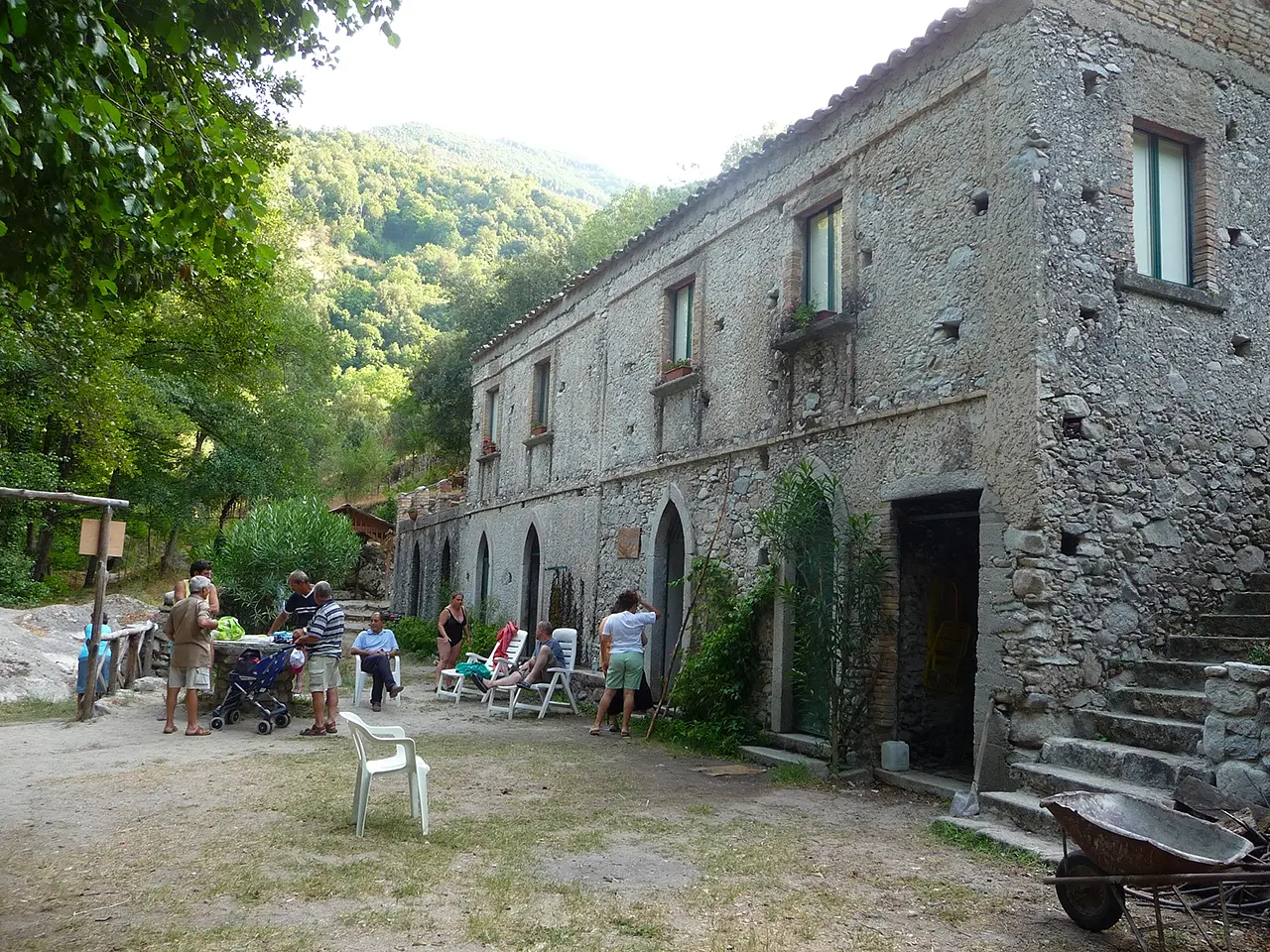
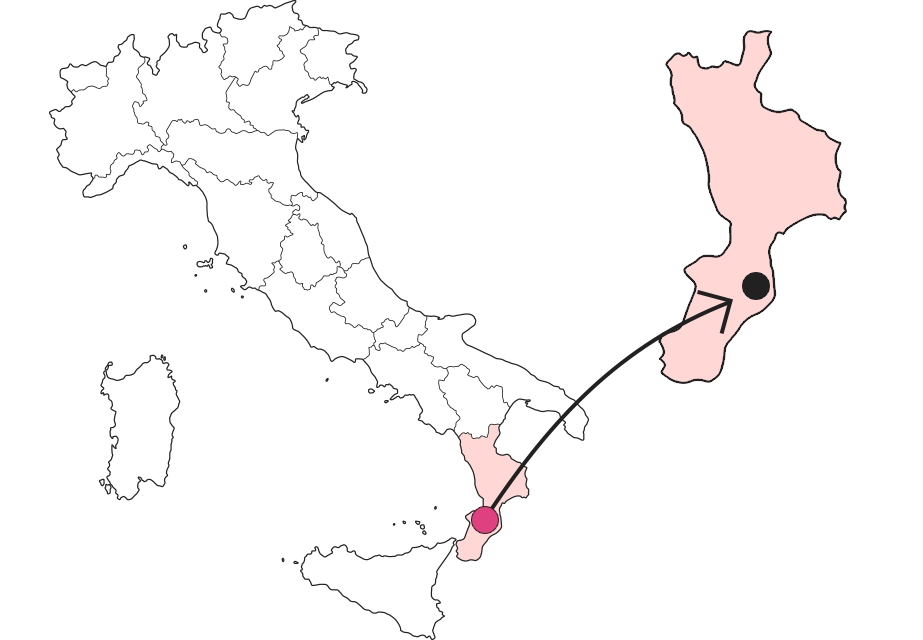
About 4 kilometers from the town of Bivongi, in the Stilaro Valley, there is an oasis that promises a wellness break and a little adventure in the area's industrial archaeology. It is the area of Bagni di Guida, a spa complex, where the remains of an important former hydroelectric power plant are also located . The site lies along the course of the Stilaro River, at a strategic point that in the past facilitated access to the springs and the exploitation of water power. Today the area is frequented both for the historical-archaeological interest related to the artifacts present and as a stopover for hikers heading to the Marmarico waterfall.
Why it is special: industrial archaeology and hot springs
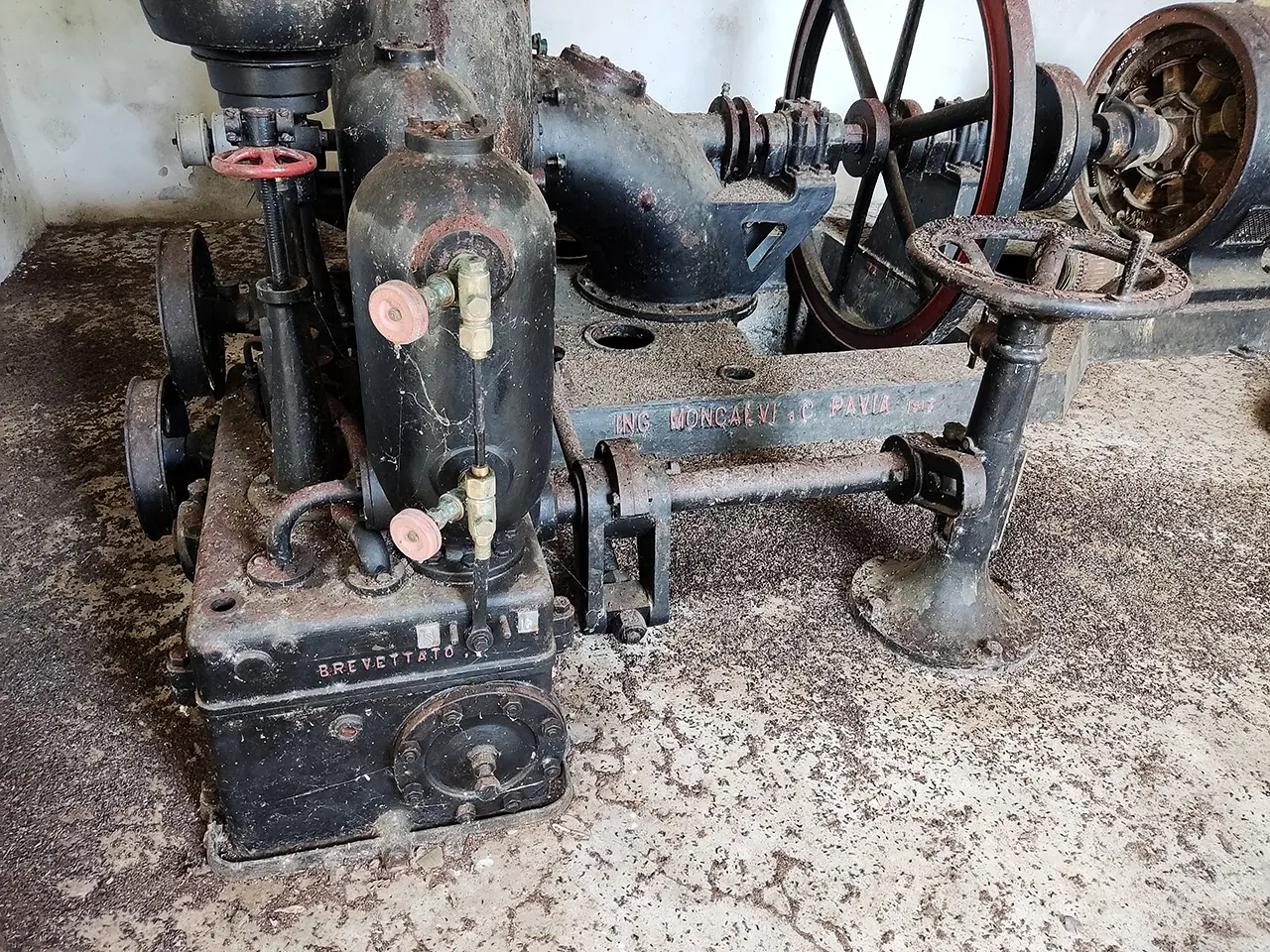
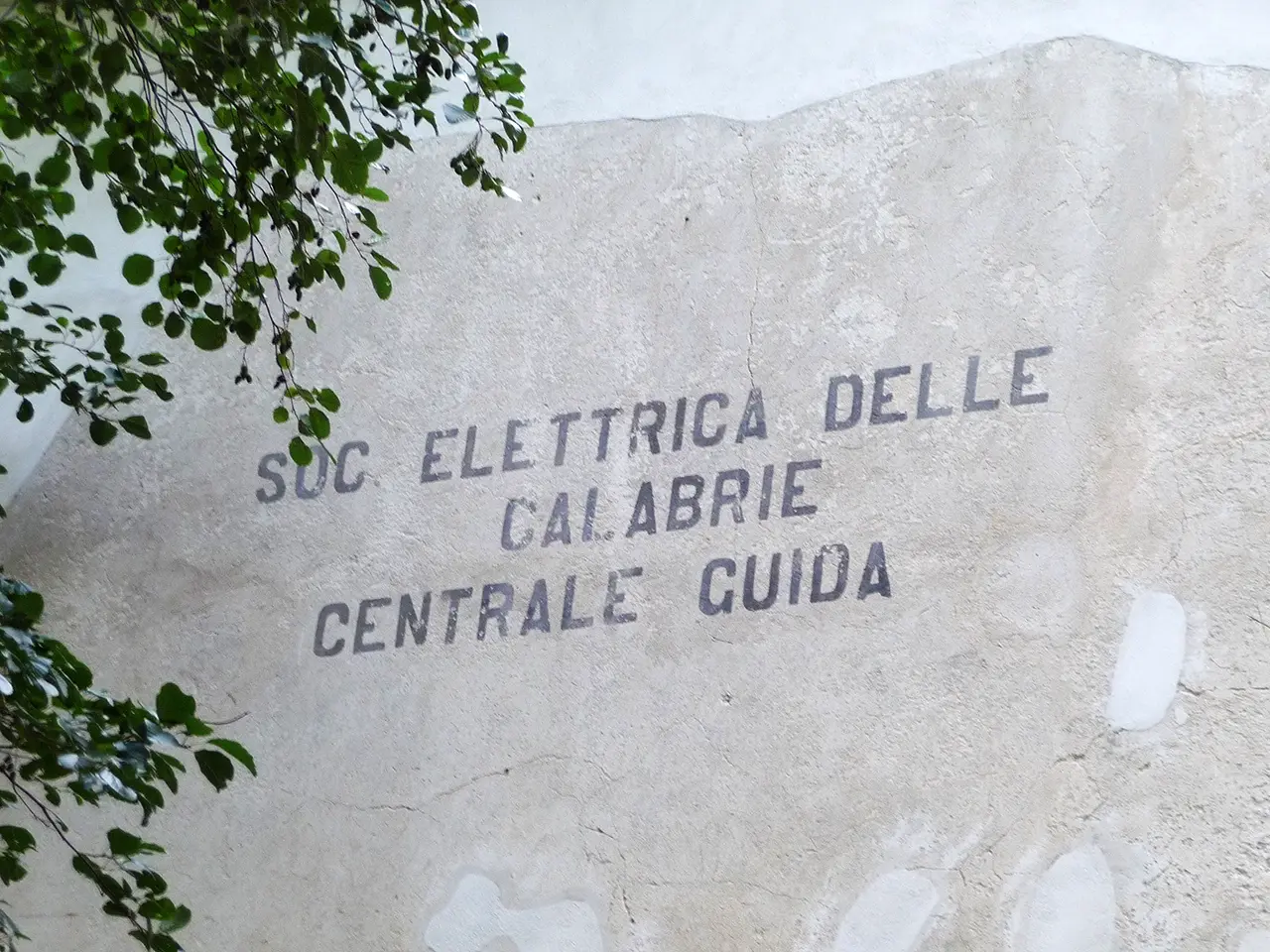
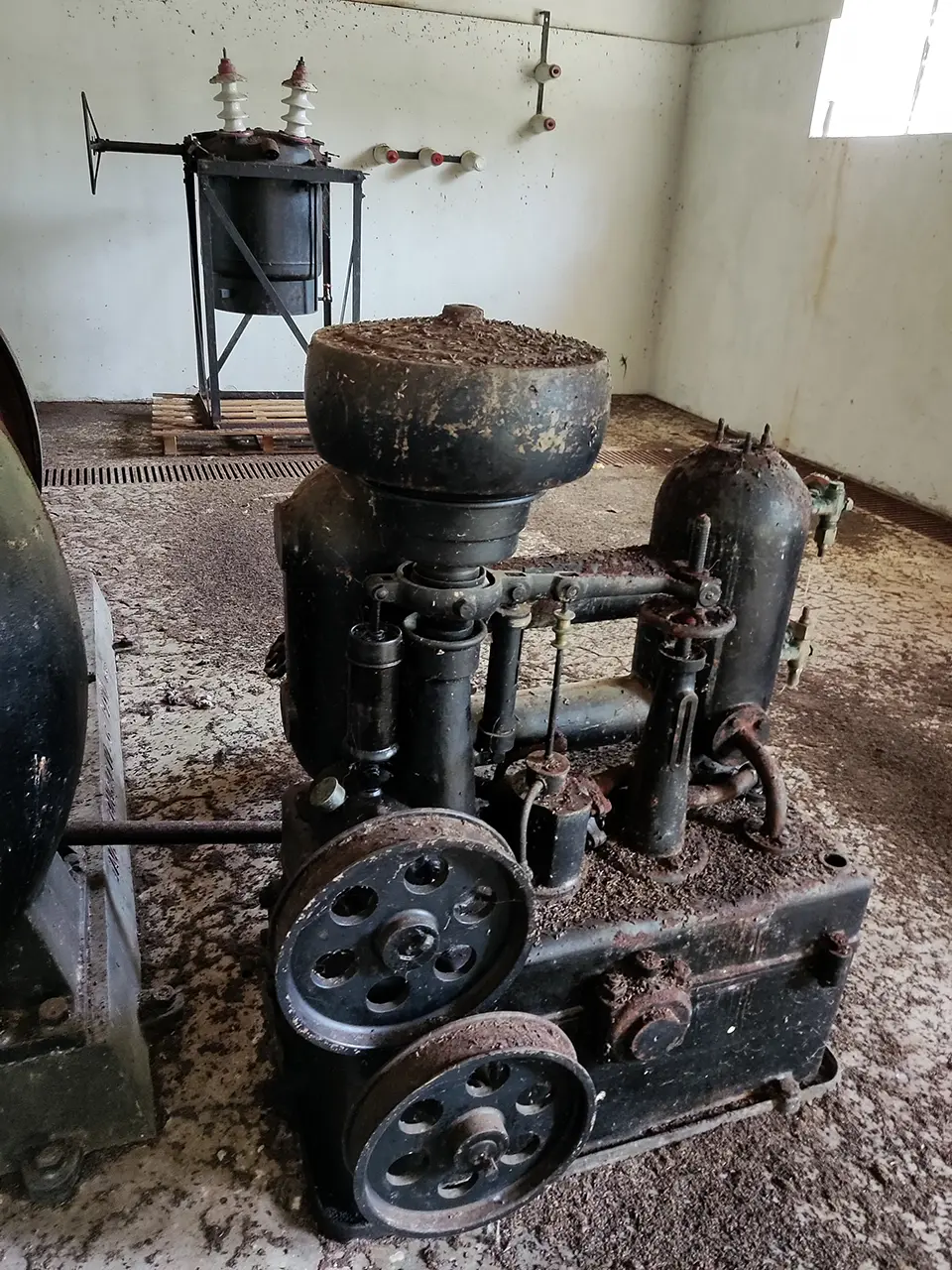
The site is unique because of the coexistence of two distinct realities: the curative water plant and theformer "Guida"hydroelectric power plant. This power plant, built in 1913, represents one of the earliest examples of electricity production in southern Italy and was used to light the village and spa facilities. The baths with its hotel, on the other hand, date back to the mid-19th century and were renowned for the benefits of their sulfide-alkaline waters. Together, the baths and the plant offer a privileged window into Bivongi's history between the 1800s and 1900s.
A bit of history and the village of longevity
Bivongi is known as the village of longevity because of the high number of centenarians in relation to the population. The waters of Bagni di Guida, known since antiquity and studied by Dr. Vincenzo Filia in 1870, may have actively contributed to this record, and were a powerful draw for spa tourism. The modern establishment was founded around the mid-19th century and later fell into disuse along with the power plant due to floods in the 1950s that severely damaged its structures. The plant, now restored, is part of the"Ecomuseum of the Ironworks and Foundries of Calabria."
Curiosity: the "Holy Waters" of Bivongi.
The spring waters are classified as sulfurous, salty and fluorinated, and were locally called "Holy Waters" for their effectiveness in treating rheumatic and skin diseases. According to popular tradition, the discovery of the spring should be attributed to a shepherd who observed the benefits of the water on his cattle suffering from a skin disease.
Enter the Map of Italy's Hidden Wonders and find treasures where you least expect it... Inspire, Recommend, Share...
Collections
The Map thanks:
PNRR a titolarità del Ministero della Cultura (MiC) M1C3 – 2.1 “Attrattività dei borghi” – Linea B – “Borghi in piazza - Spirito d’Oriente in Occidente” – Int. 2 - Digitalizzazione del territorio – CUP F49I22000220006 – CIG B693A24037

Enter the Map of Italy's Hidden Wonders and find treasures where you least expect it... Inspire, Recommend, Share...