
Favazzina, Beach Life and Sfusato Lemons
On the Tyrrhenian coast between Scilla and Bagnara, Favazzina is home to one of the Costa Viola’s most beloved beaches.

Where

Favazzina: on the coast of Scilla
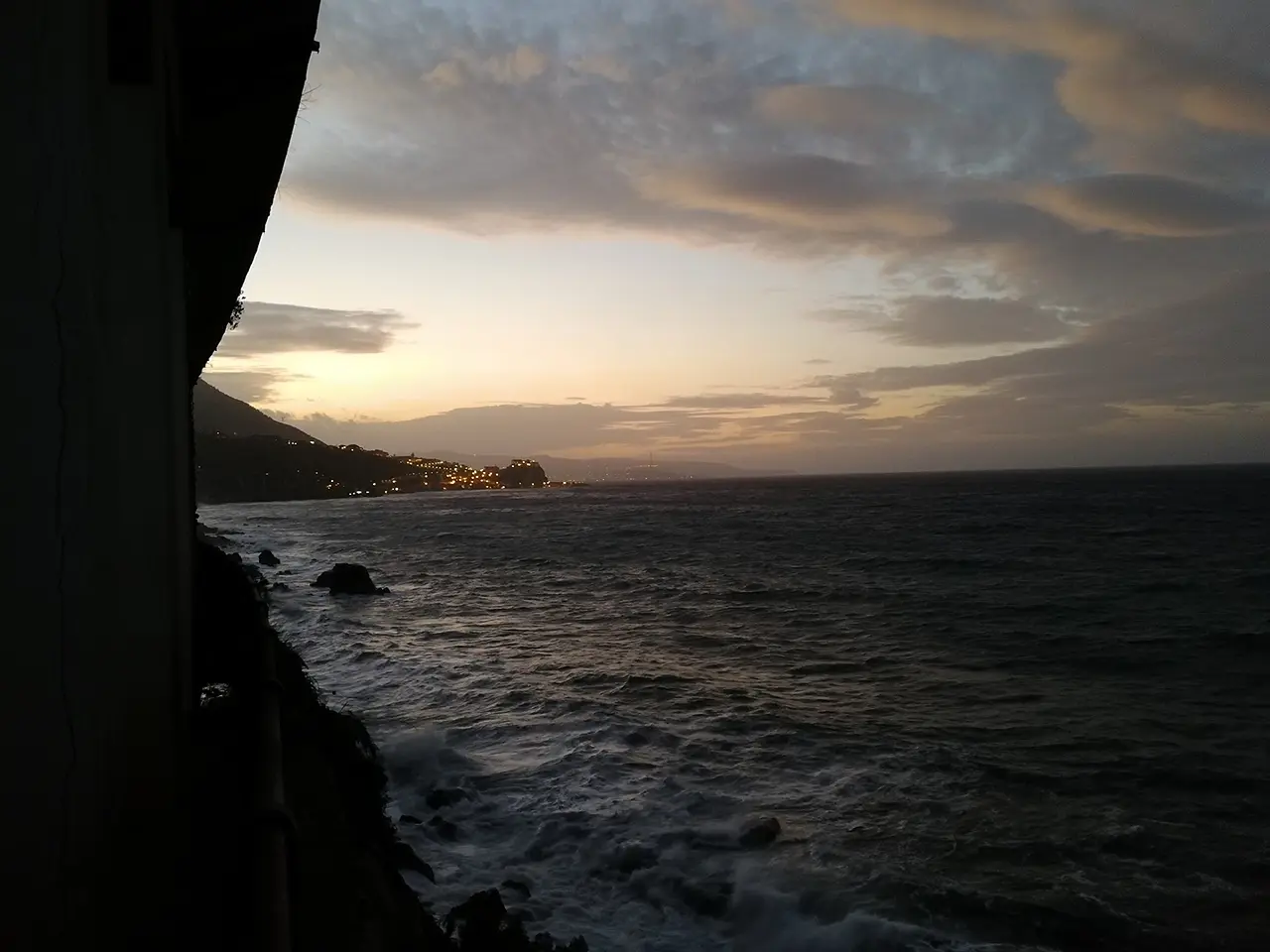
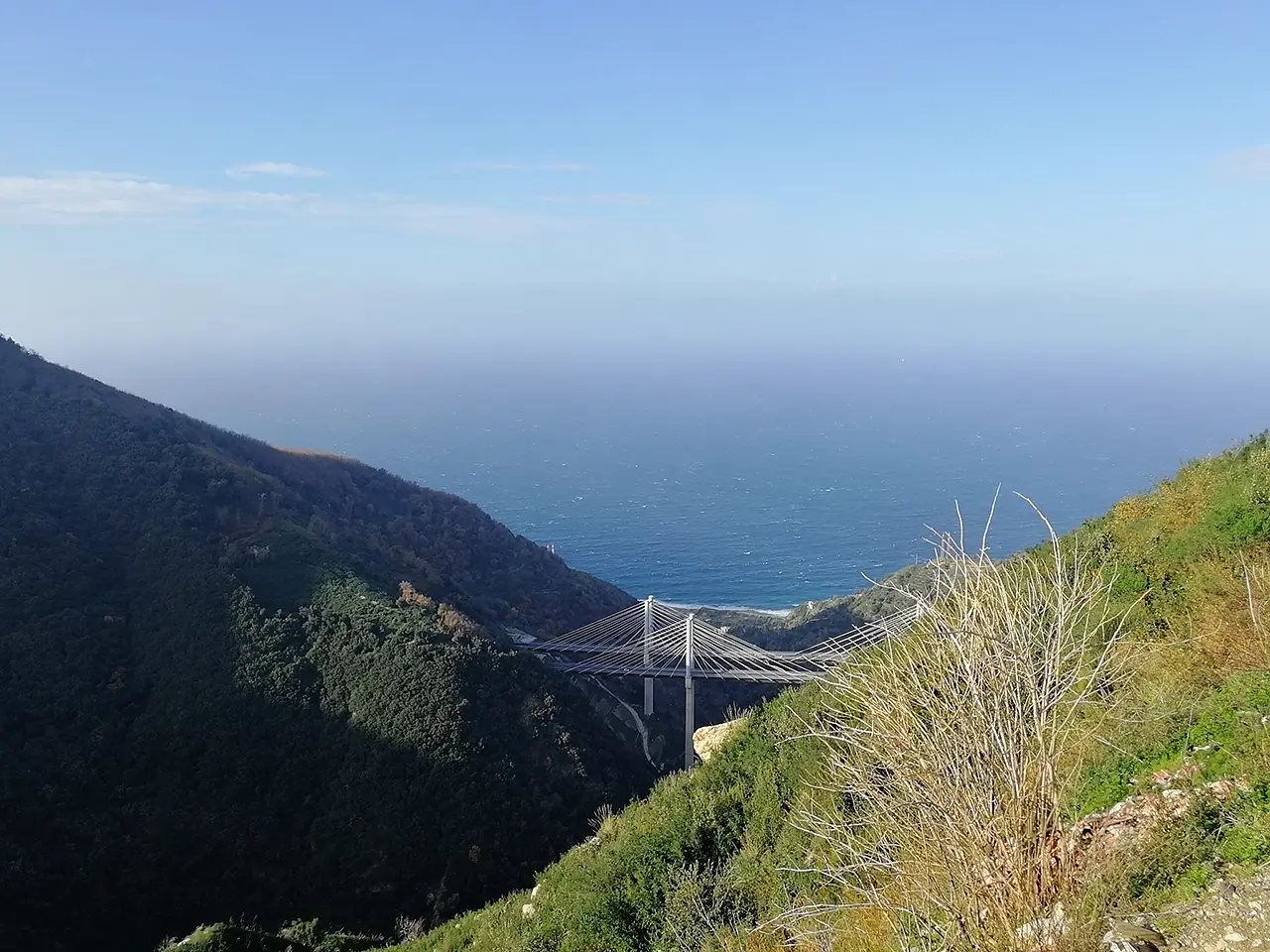
Favazzina is the coastal hamlet of Scilla, a few kilometers north of the capital along the Tirrena Inferiore at the turn of Bagnara and Palmi. The small historic nucleus huddles around the Church of the Holy Cross while more recent buildings stretch close to the beach that is one of the attractions of the Costa Viola. In the early twentieth century the locality was of some importance because of the active manufacturing hub upstream from the town, served by a railroad yard. A small hydroelectric power plant, fed by the nearby fiumara, and several factories: a wax factory, a paper mill, a pasta factory, and two mills. "The town of baronial mills," to be exact, that was the old nickname for Favazzina. Long-defunct activities, about which, if anything, we speak in terms of contemporary archaeology.
The church of the Holy Cross and the history of the village
It is the church of the Holy Cross that tells the story of the village, which arose as an agricultural district at the time when vineyards and citrus groves were the main resource of the coast between Scilla and Bagnara. Something of these valuable terraced crops can still be seen. The first small church, built by a landowner, gained autonomy and greater dignity in the late 18th century. Today's neoclassical façade, however, is the result of reconstruction following the 1908 earthquake, not to mention that of 1738. Each time, what could be salvaged from the rubble was salvaged and reused ad memoriam, as happened with the high altar, composed of restoration marbles. What stands out inside is rather a large reliquary. A fictional story, which comes alive when the solemn moment of theExaltation of the Holy Cross comes on September 14 .
What to do in Favazzina
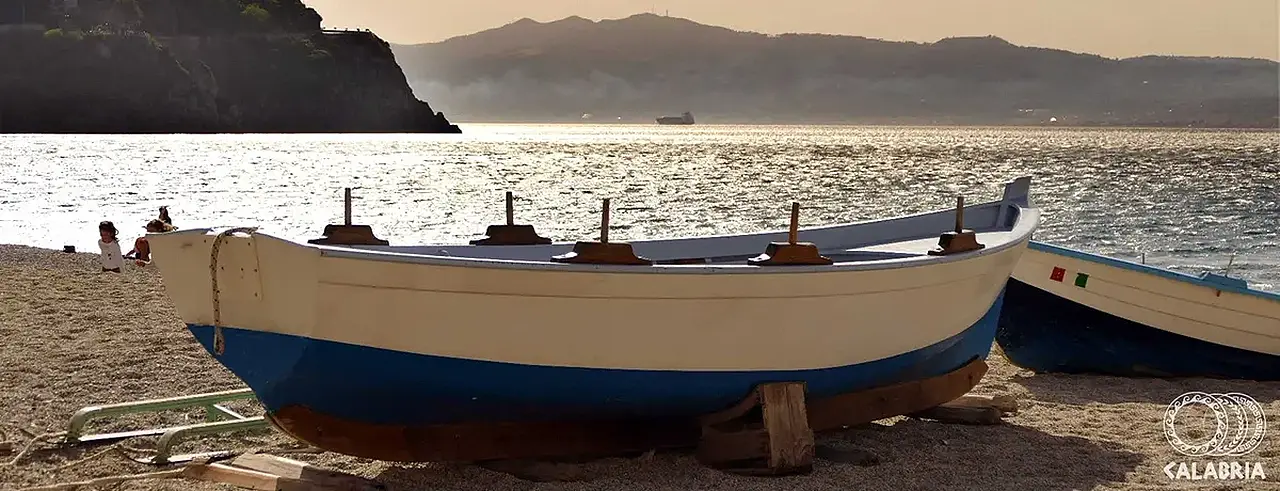
On the subject of vacationing, the first attraction of Favazzina is the long sandy beach, punctuated by artificial cliffs that in protecting it from erosion form a succession of small inlets, almost natural pools, made especially for the pleasure of bathers. However, one need only venture a little further to find oneself swimming on a heterogeneous seabed subject to currents that appears in all its vitality even to snorkeling novices. This is but a preview of a marine stretch of recognized naturalistic value, frequented by diving enthusiasts for those features of exceptional biodiversity that derive from being at the mouth of the Strait of Messina
Recent history
Returning again to more recent history, the name of Favazzina recurs in the chronicles of the early twentieth century for the production of a variety of lemon that is harvested in September at the state of verdello, that is, at the moment when a surprising combination of aroma and juice is realized. The Sfusato di Favazzina, so called because of its elliptical shape, was then cultivated with great skill by terracing the coast with dry stone walls. A production, which because of the imperviousness of the citrus groves and the hard work of maintaining them, it is no exaggeration to call "heroic." Today, after decades of decline, the Favazzina lemon registers a resurgence of interest that finds expression in a product, limoncello di Scilla, which has quickly become one of the most popular souvenirs of the Costa Viola.
Enter the Map of Italy's Hidden Wonders and find treasures where you least expect it... Inspire, Recommend, Share...
Collections
The Map thanks:
Scilla, dove peschiamo sorrisi – Comune di Scilla – PNRR Ministero della Cultura M1C3, Mis. 2, Inv. 2.1 “Attrattività dei borghi storici” – Finanziato dall’Unione europea, NextGenerationEU – CUP: F79I22000150006 – CIG B8DCA761AB

Enter the Map of Italy's Hidden Wonders and find treasures where you least expect it... Inspire, Recommend, Share...