
Costa Viola, a Jewel of Calabria’s Tyrrhenian Coast
Seabeds of extraordinary beauty, shores where precious bergamot thrives, and a hinterland that rises, unexpectedly, to snow-capped peaks.



Where

What is and where is the Purple Coast
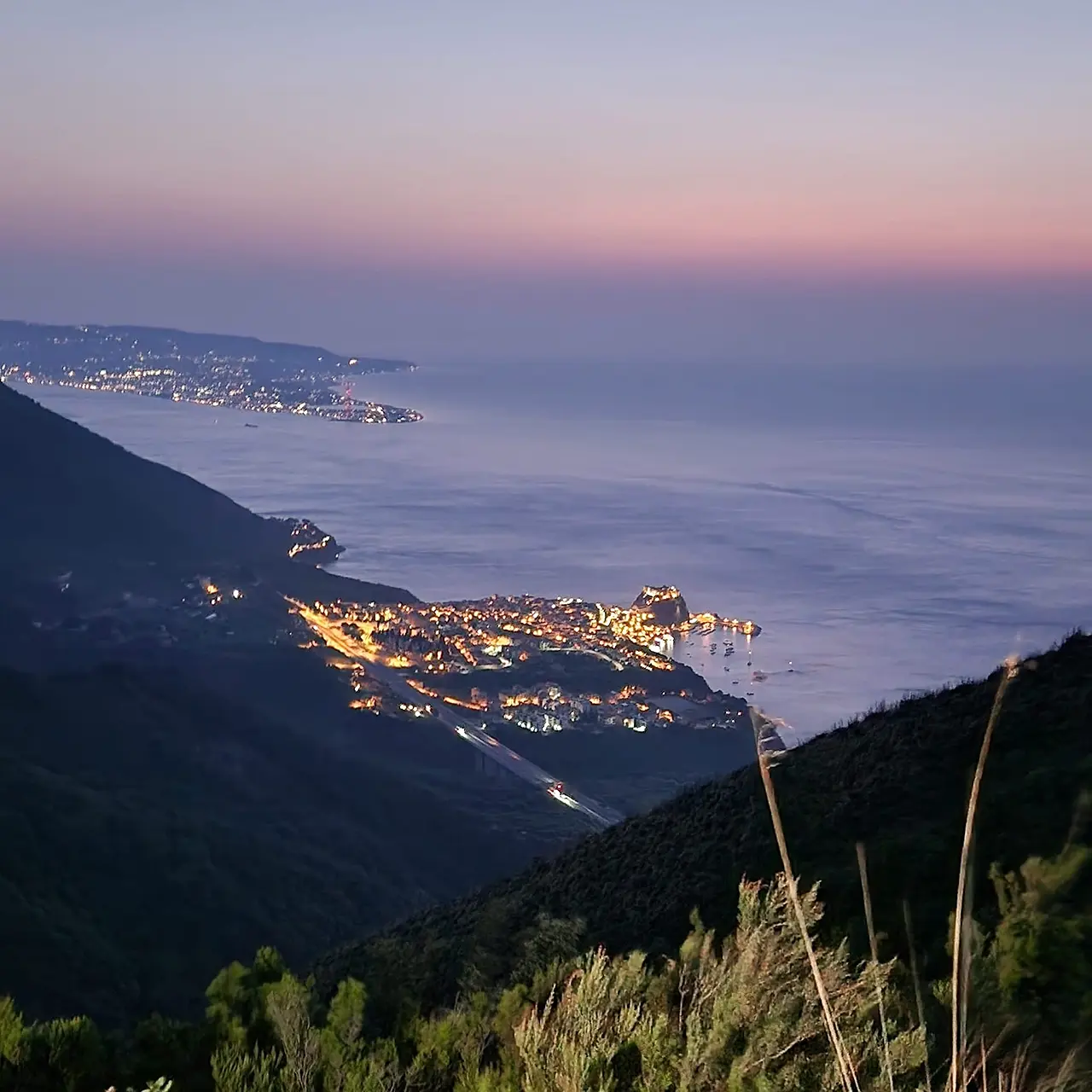
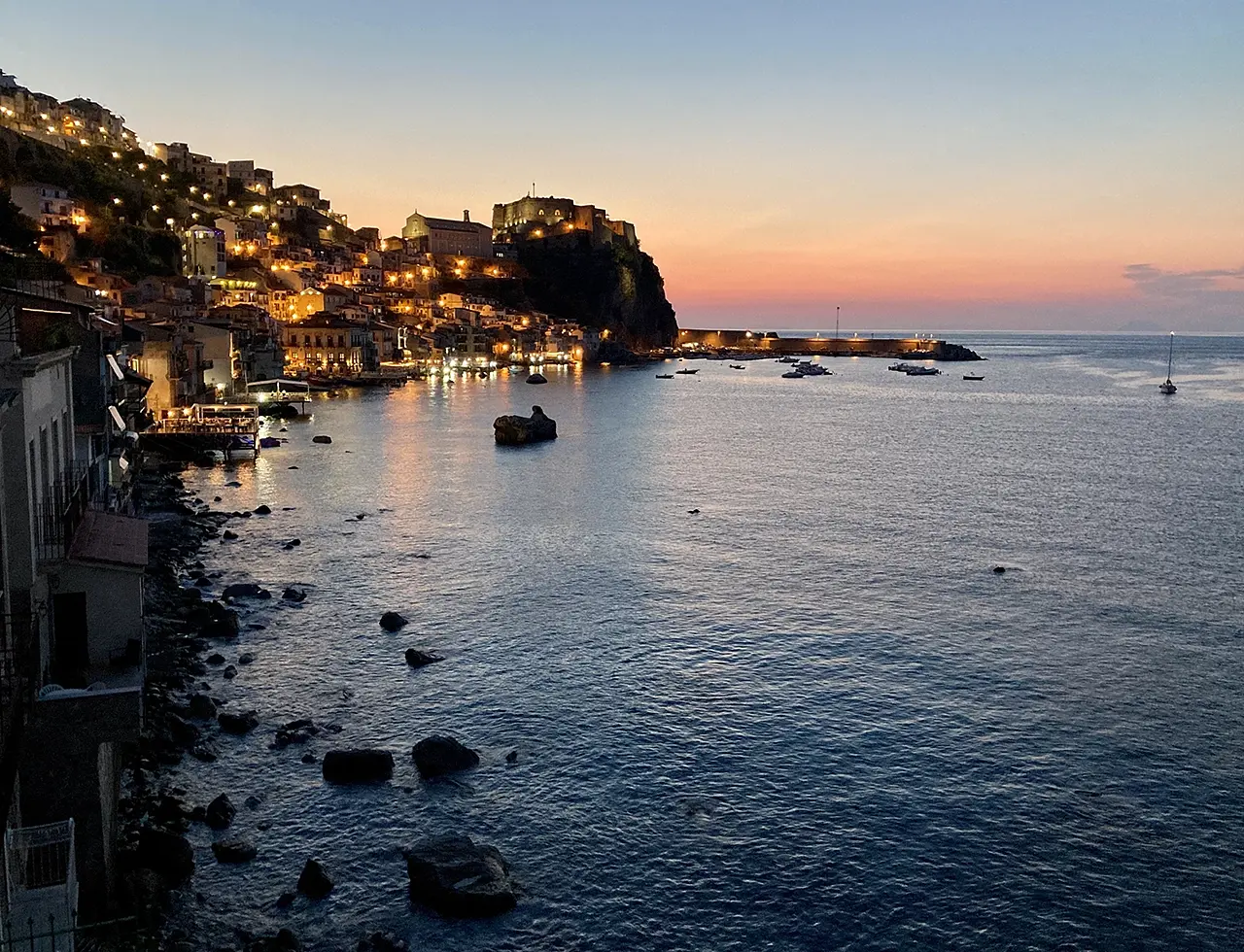
Purple, like the color of the sky at twilight, of the sea that makes its reflections its own, and of the high coastline that absorbs the reverberation of both modulating it into still different hues. The first to describe the excitement of this moment, according to hagiographers, was none other than the philosopher Plato, one who was familiar with the hyperuranium. Since Magna Graecia, nothing would have changed, were it not for the lights that more suggestively now permeate the coast and dot the sea. Some 30 kilometers of impervious Tyrrhenian coastline, set like a precious stonebetween the promontory of Scilla and that of Palmi, against the looming backdrop of Aspromonte. This is the Costa Viola in today's terms, a landscape that outside of rhetoric has no equal.
Why it is special: the Costa Viola as seen from the sea.
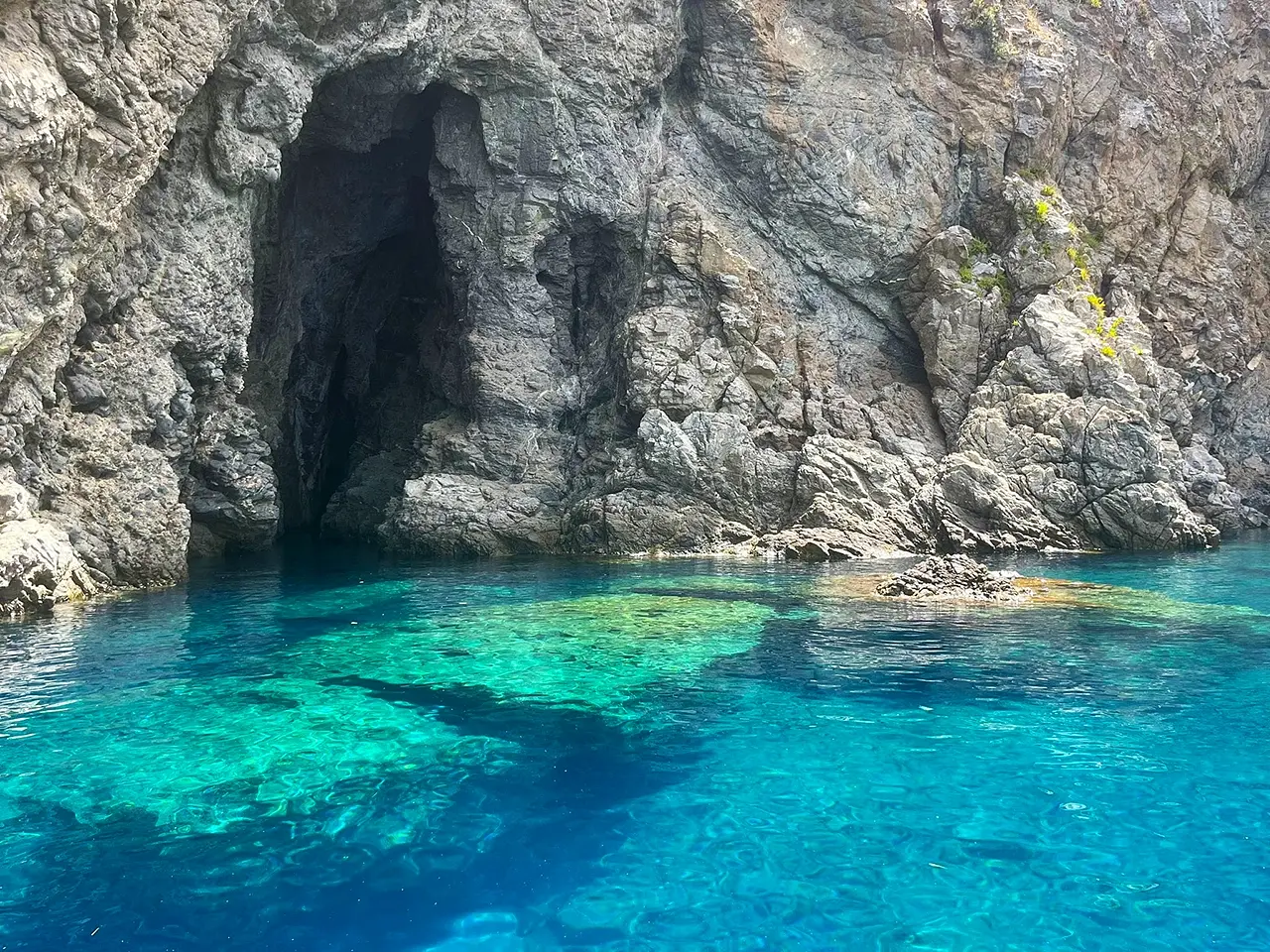
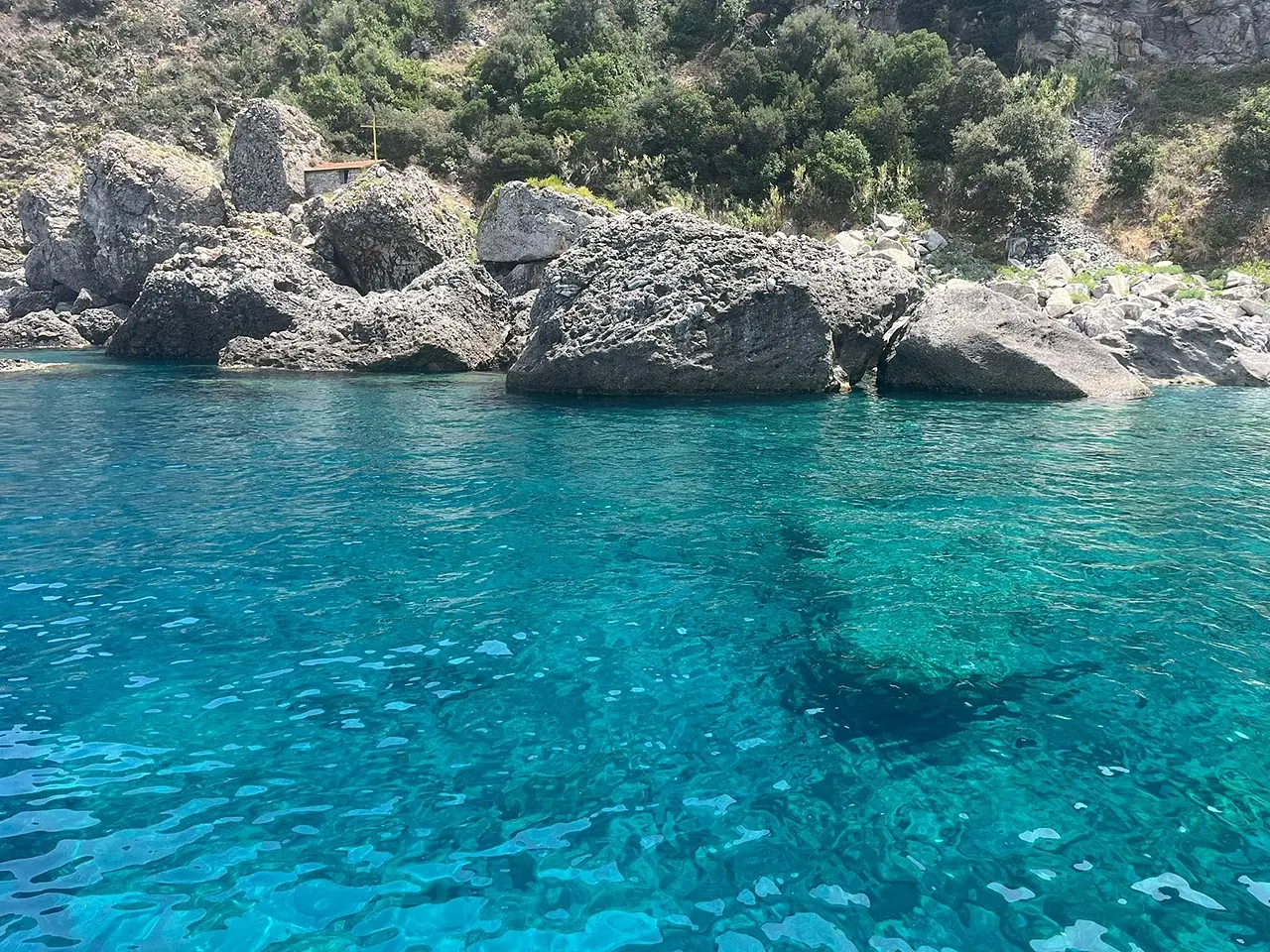
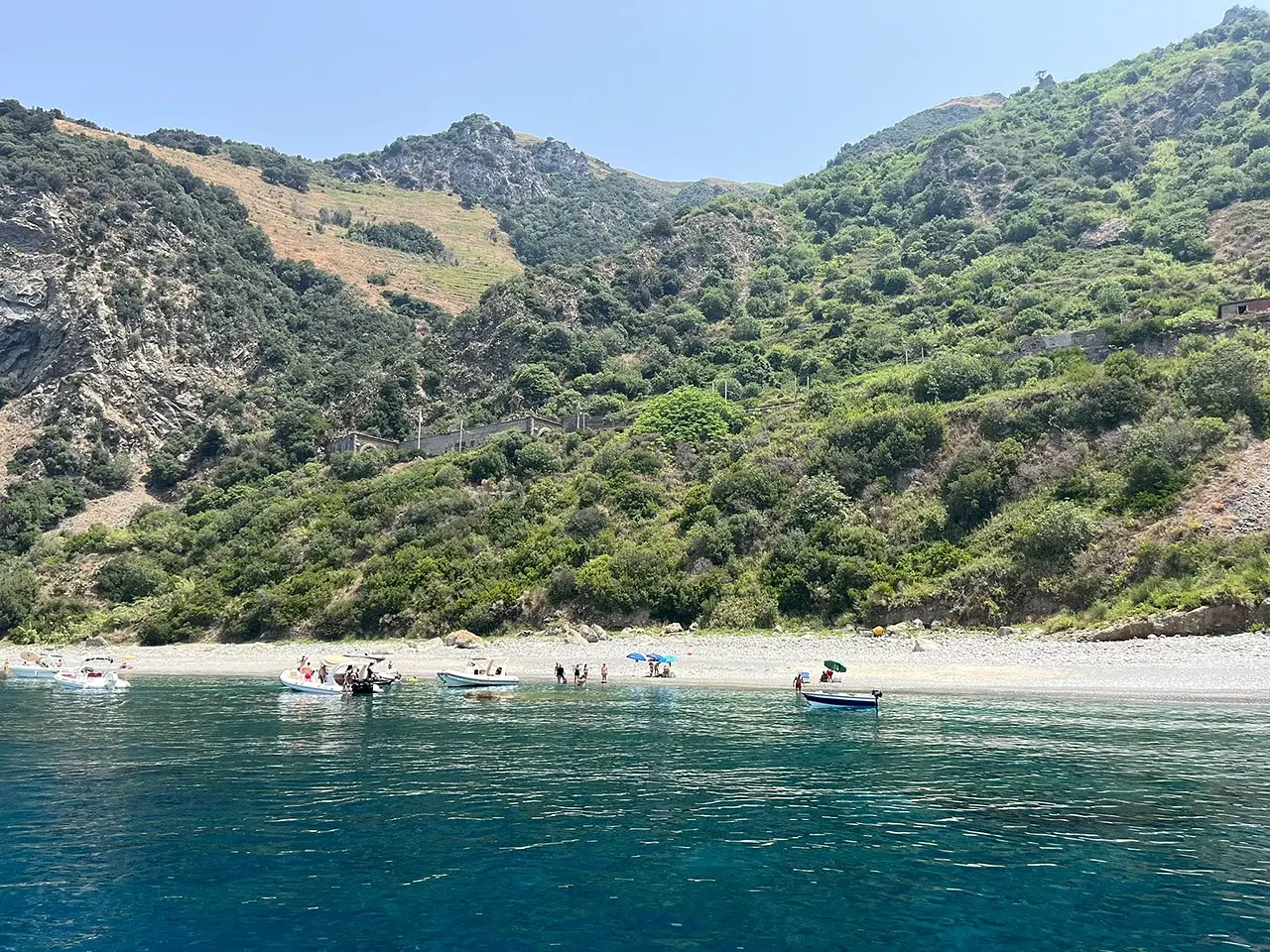
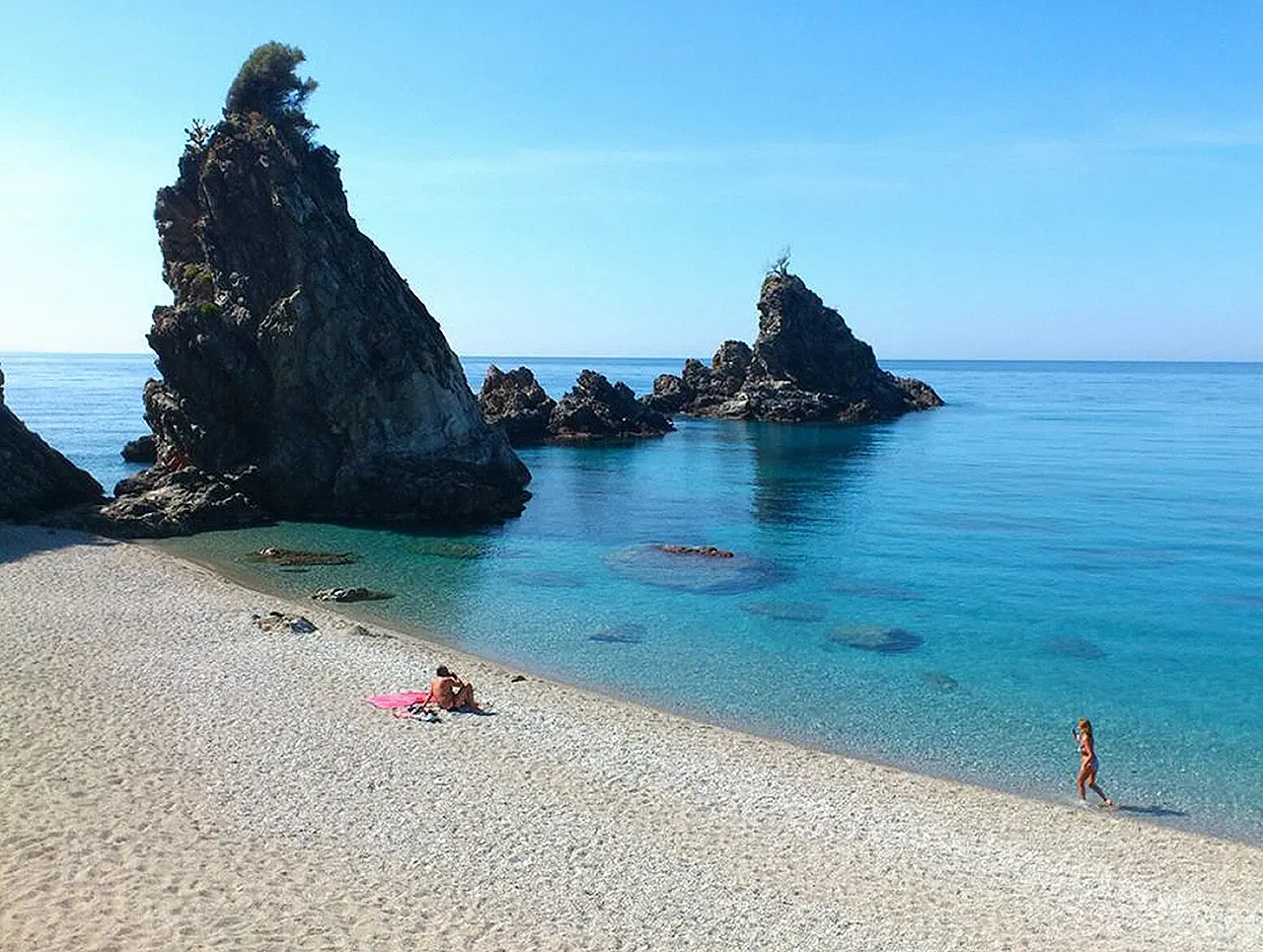
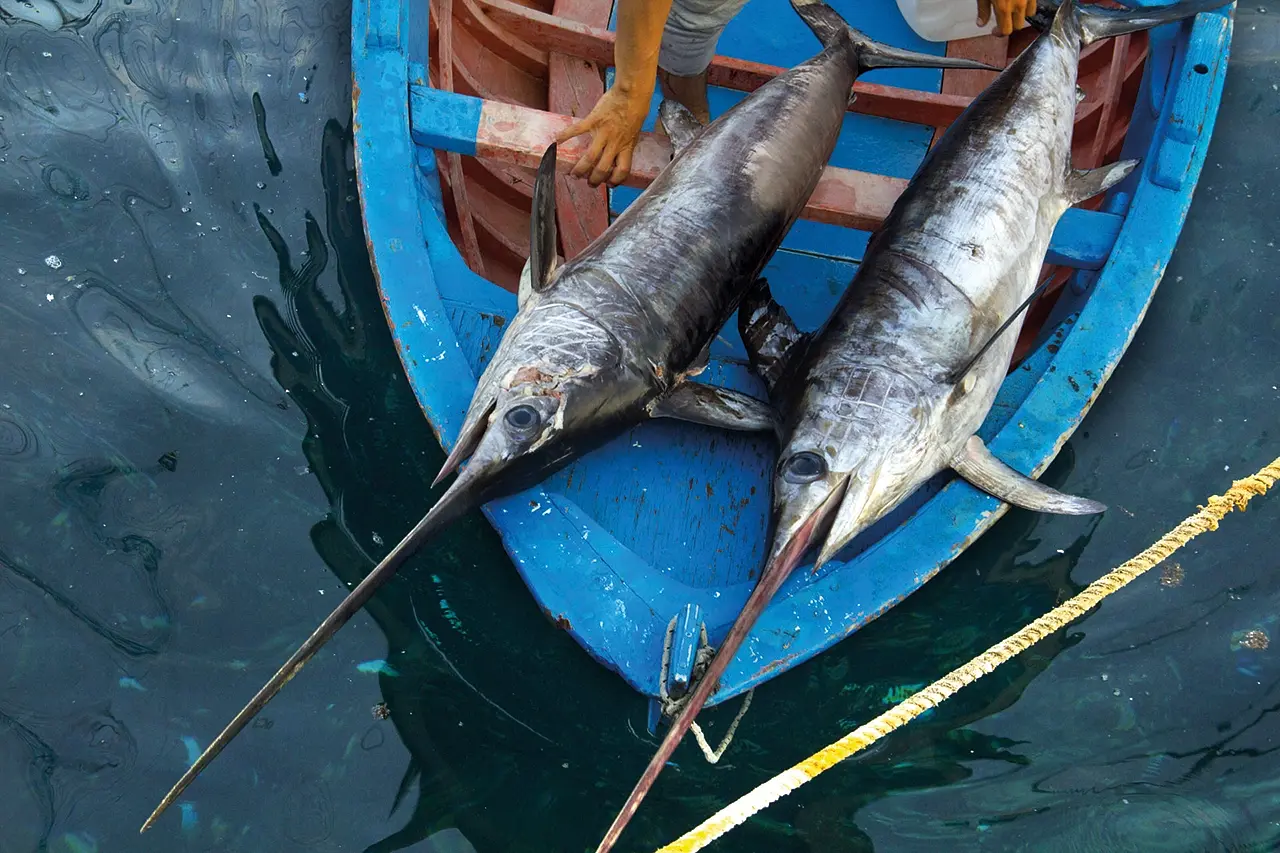
Sailing one has the best perception of it: almost always rocky sea, except for the beaches that stretch out at the mouth of the Fiumare, but then also inaccessible cliffs that hide caves and secret coves among their folds . But it is beneath the surface that the sea hides even more surprising landscapes, rugged seabeds and vertical drops, real forests of gorgonians and corals lapped by the currents of the Strait. And when you look at the open waters, here is their most illustrious frequenter, the swordfish, generator of a fishing tradition exclusive to the two shores of the Strait, mentioning only the cetaceans - dolphins, sperm whales, minke whales, the most usual - that cross between the Tyrrhenian and Ionian seas.
Not to be missed: the inland mountains, Sant'Elia and Sccrisi
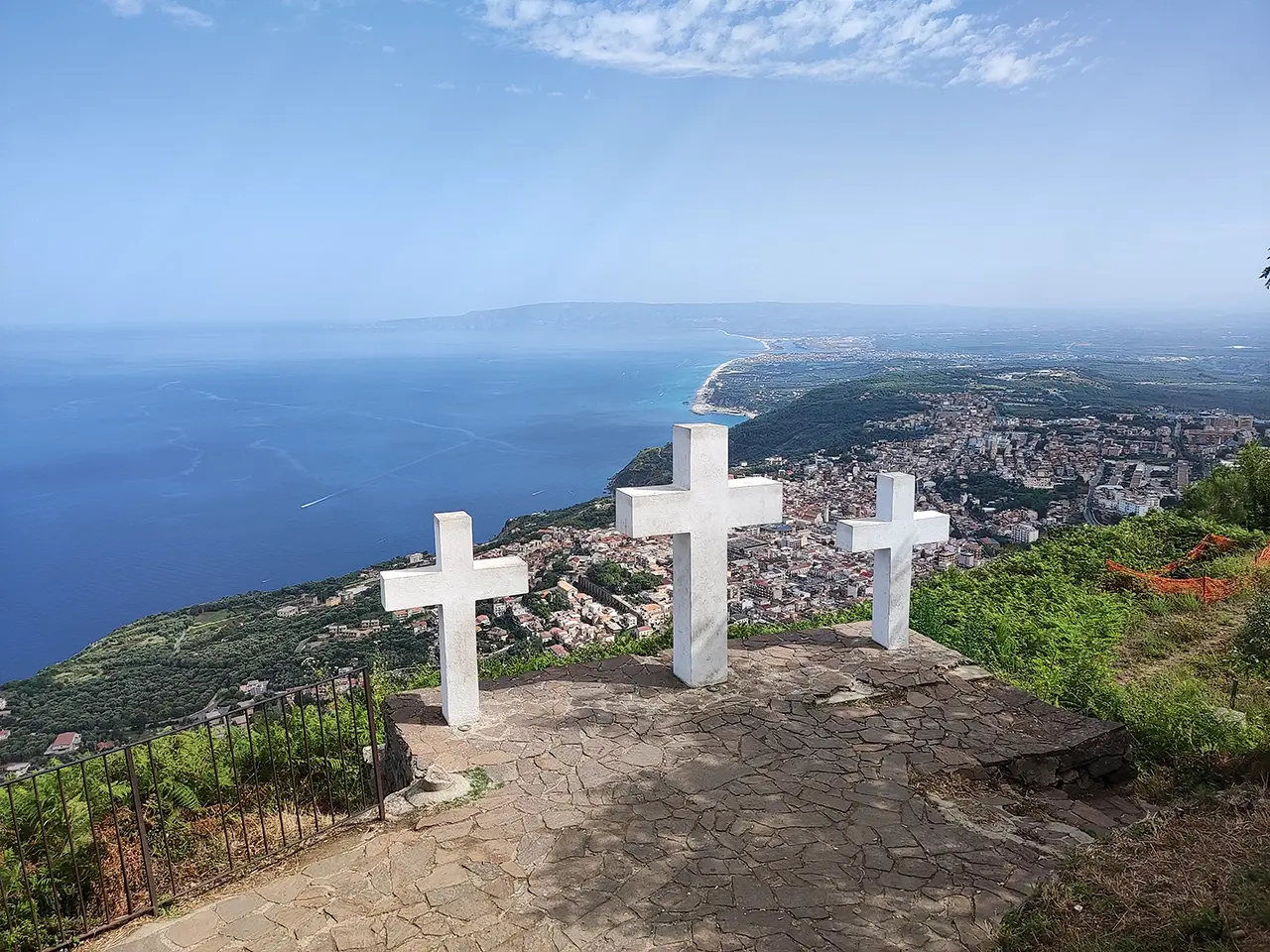
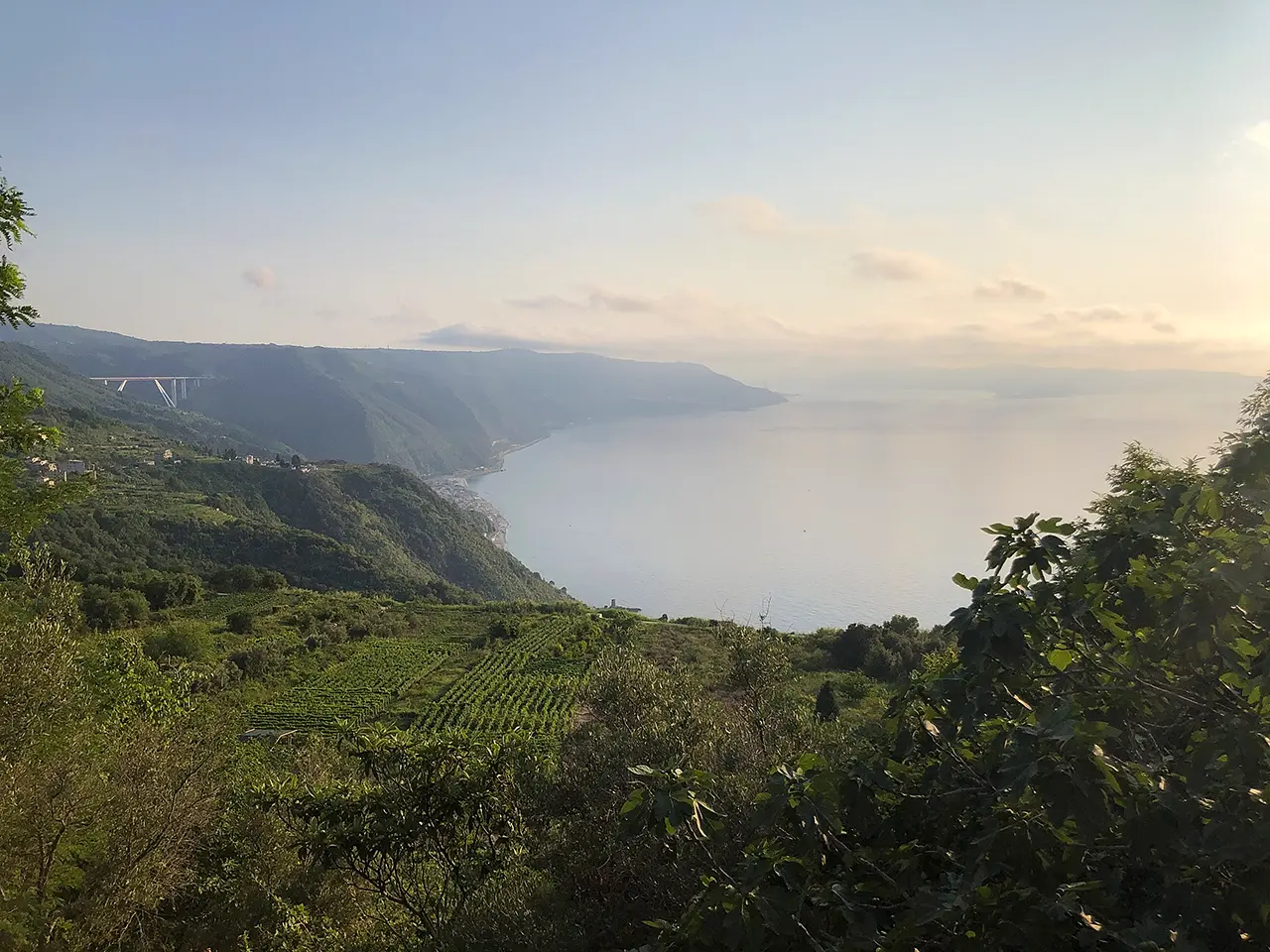
An even different perspective is gained by going up the coast. There are two privileged vantage points, Mount Sant'Elia and Mount Scrisi, at the very extremes of the coast. The gaze sweeps from Cape Peloro, the northeastern apex of Sicily, to Cape Vaticano, the legendary prominence of the Calabrian coast, with the Aeolian islands far off on the horizon andtwo volcanoes, Etna and Stromboli, that you almost can't believe. On one side, Mediterranean scrub, vineyards and terraced olive groves; on the other, the orchards of the Piani d'Aspromonte and the chestnut trees that are a real surprise at this latitude, a preview of the quintessential Calabrian mountain forests. Magical moment, then, is when in spring the sky is furrowed by the great migration, thousands of hawks and storks crossing the Strait to return to their summer quarters.
Costa Viola and tourism
Coming finally to tourism, which in recent years has added to traditional activities, sometimes ousting them. There are three localities of reference: Scilla, with its seaside districts at the foot of the legendary promontory; Bagnara, a fishing port famous for the Easter solemnity of theAffruntata; and Palmi, which faces the Costa Viola from a terrace high above the Tyrrhenian Sea. An irresistible tourist conspiracy: the seaside pleasures of a unique coastline; gastronomic excellence from the sea to the mountains; a packed calendar of events amidst faith, folklore and high society; all, imbued with the spirit of the Calabrians that makes hospitality special.
Enter the Map of Italy's Hidden Wonders and find treasures where you least expect it... Inspire, Recommend, Share...
Collections
The Map thanks:
Scilla, dove peschiamo sorrisi – Comune di Scilla – PNRR Ministero della Cultura M1C3, Mis. 2, Inv. 2.1 “Attrattività dei borghi storici” – Finanziato dall’Unione europea, NextGenerationEU – CUP: F79I22000150006 – CIG B8DCA761AB

Enter the Map of Italy's Hidden Wonders and find treasures where you least expect it... Inspire, Recommend, Share...