Experience the Map of Wonders
Wonders I’ve suggested

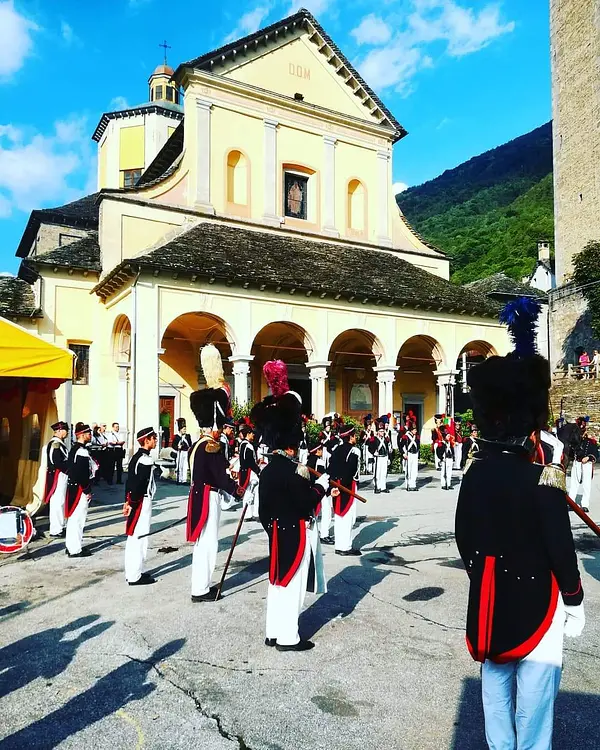
The traditional militia of Calasca
Militia created in the 17th century by the governor of Milan, "Giovanni da Mendoza," for the purpose of controlling and protecting the territories of the Anzasca Valley that were part of the duchy.

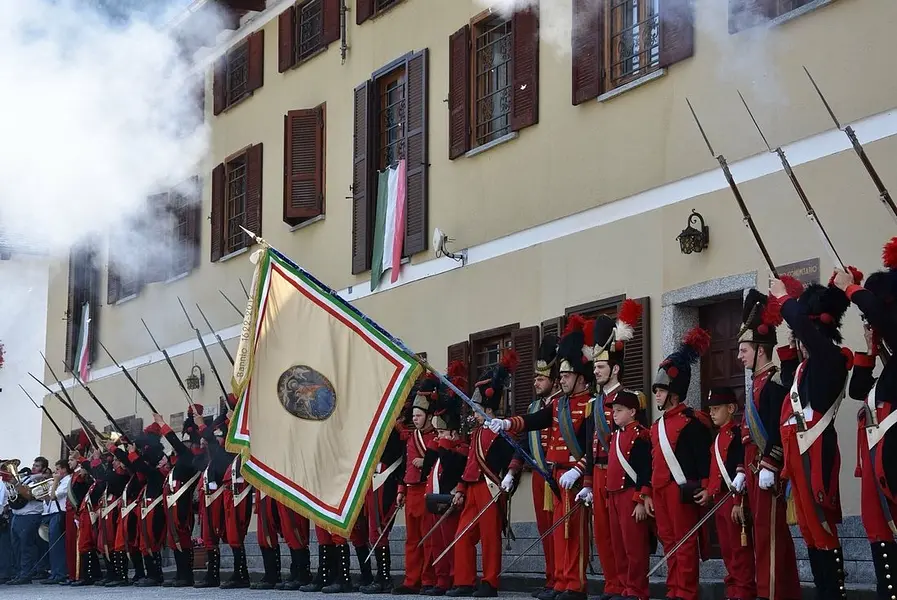
Traditional Militia of Bannio
Historical militia established 400 years ago at the initiative of the Spanish governor of Milan. It is characterized by very specific uniforms and traditional rules and bands that have been handed down to this day.

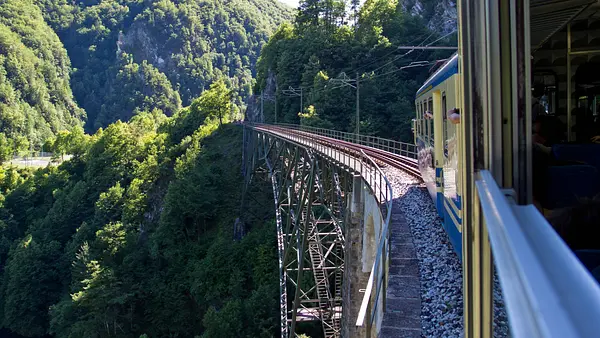
Panoramic railway "Vigezzina-Centovalli"
It is a rail route that connects Domodossola to Locarno via the Vigezzo Valley, giving travelers the opportunity to admire alpine views that change with the seasons.

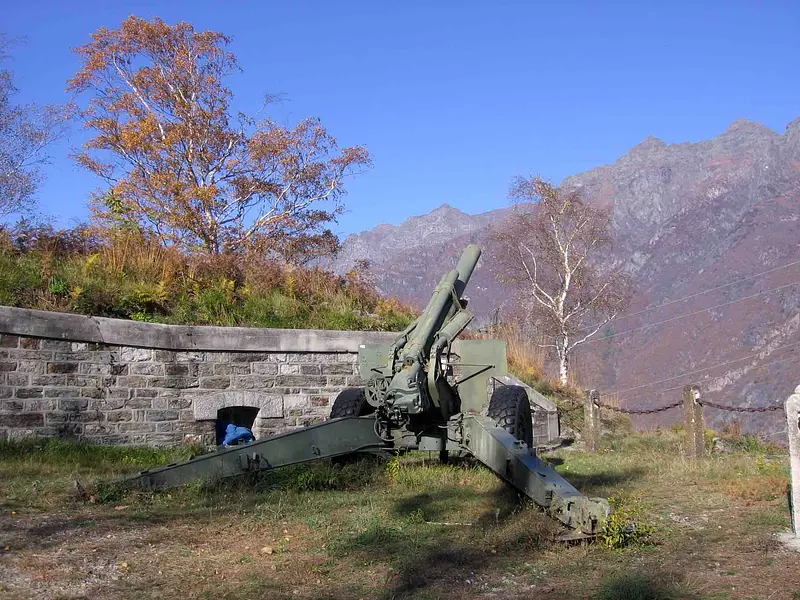
Cadorna Line - Fort Bara
Also called the "Northern Frontier," it is a complex of military defense works built from the Ossola Valley to the Orobic passes to prevent possible military attacks from countries north of the Alps.

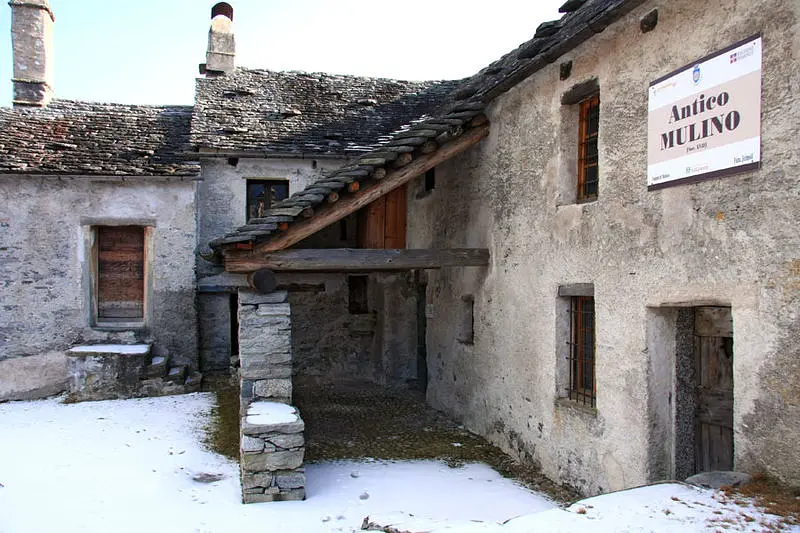
Mill dul Tač
In Malesco there is an old mill active until the early 20th century, now a museum displaying machinery used for processing rye, wheat, corn, chestnuts and hemp.

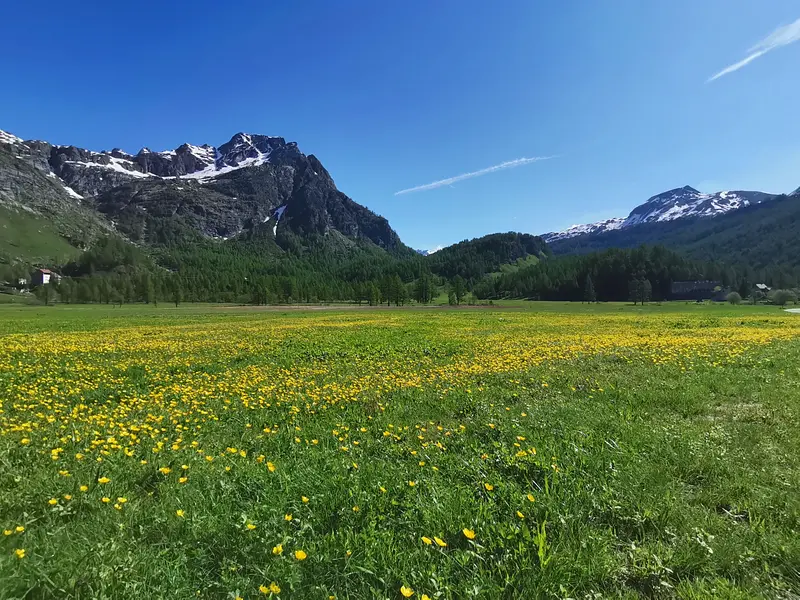
Devero Plain
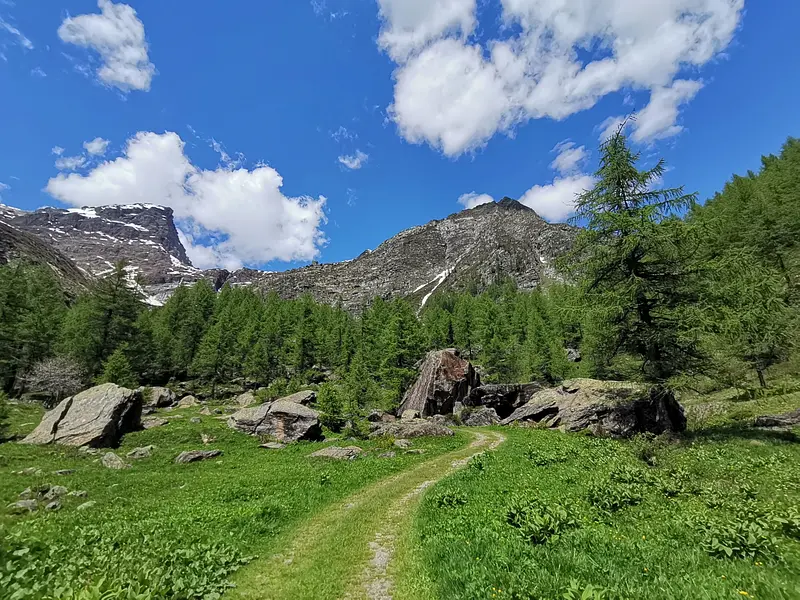
Plateau located in the Alpe Devero Park, characterized by a meadow full of yellow flowers and surrounded by an alpine amphitheater with peaks exceeding 3,000 m above sea level.

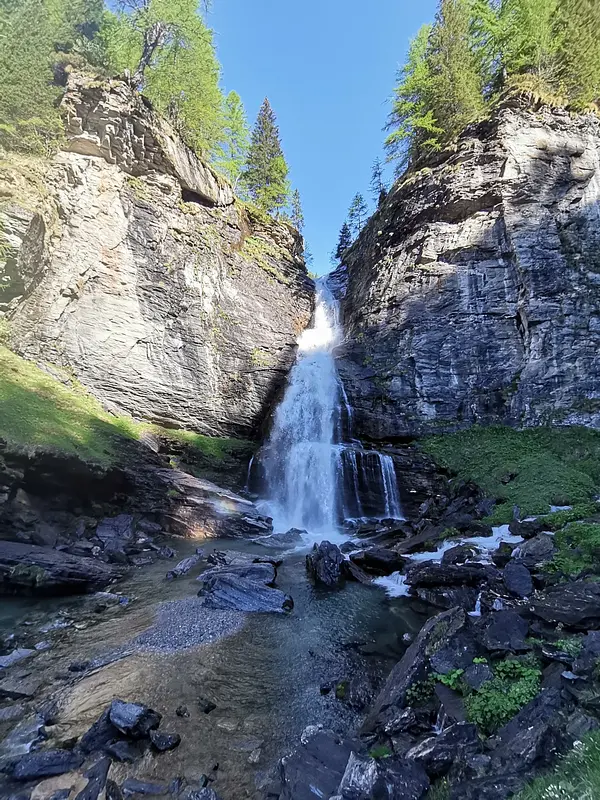
Goglio Waterfall
Waterfall, also called "hell waterfall," which is located along the road from Baceno to go to Alpe Devero Park.

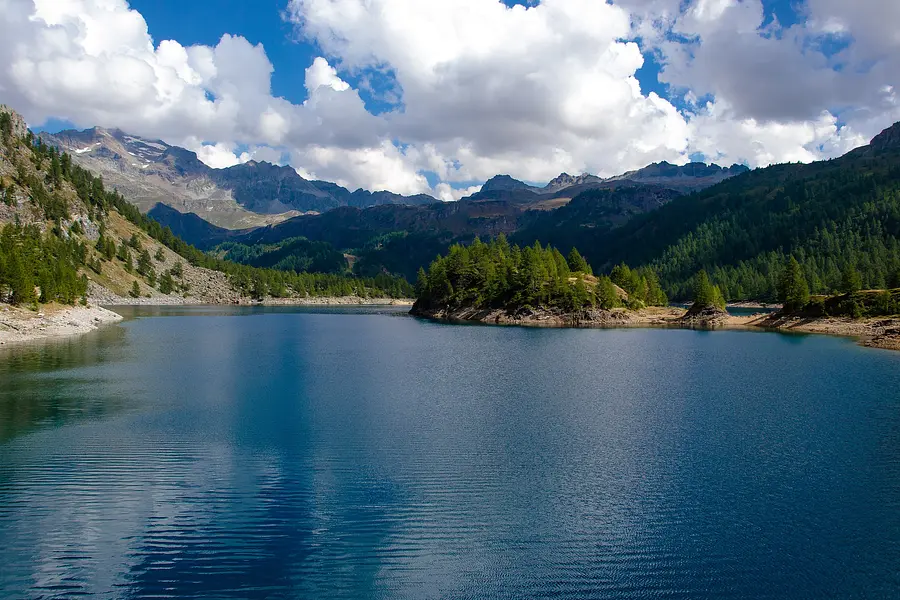
Devero Lake
It is an artificial lake created in the early 1900s surrounded by larch forests and framed by mountains. It is hard to believe that such beauty is man-made.

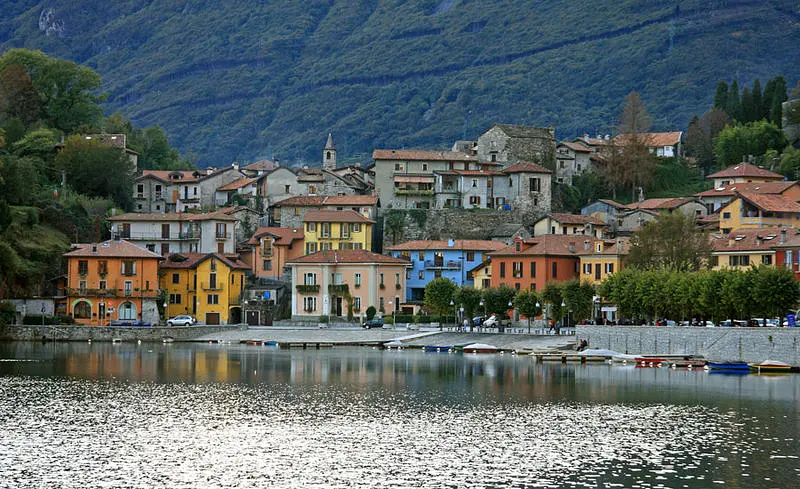
Lake Mergozzo
A lake mirror located in the Lepontine Alps, it is part of a special environmentally protected area Its name comes from the picturesque village that is reflected in its waters.

Chimney Sweep Museum
Museum dedicated to the trade of chimney sweep, an activity carried out since the 1500s by many inhabitants of the Vigezzo Valley, who were also forced to emigrate abroad due to poverty conditions.

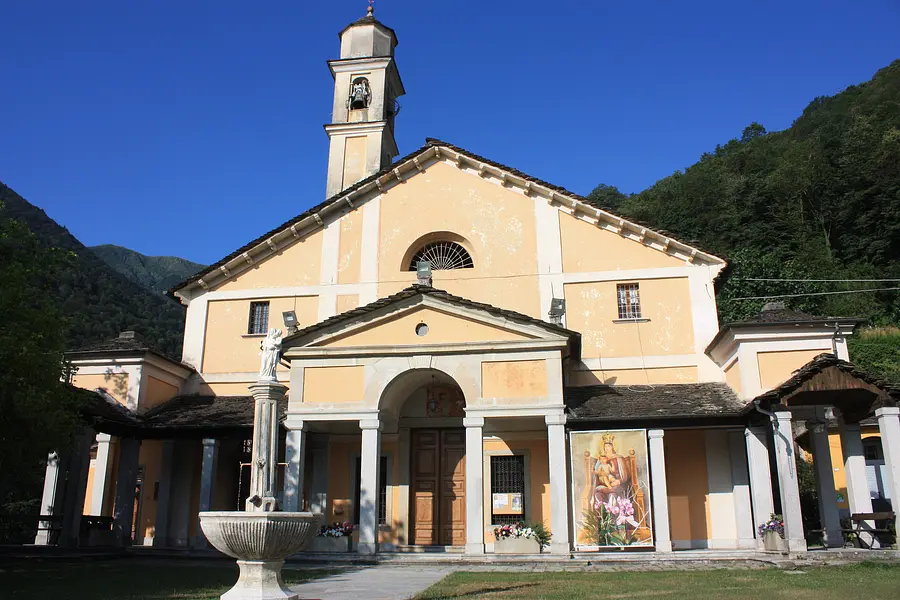
Shrine of Our Lady of Boden
Shrine dating from the 16th century whose name "Boden" comes from the Walser language and means plateau. Characteristic is the presence of a collection of as many as 1147 ex-votos of which 40 percent predate the 1900s.

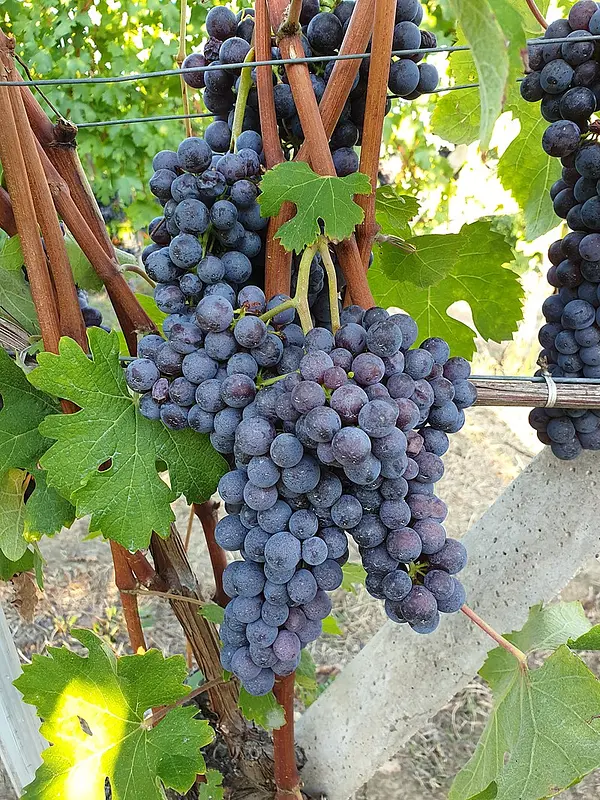
Prünent - Ossola Valleys DOC
Prünent is a typical red grape variety of Ossola and is part of the Nebbiolo family. It is part of the Valli Ossolane DOC and is produced in rather small quantities.

Shrine of Our Lady of Blood
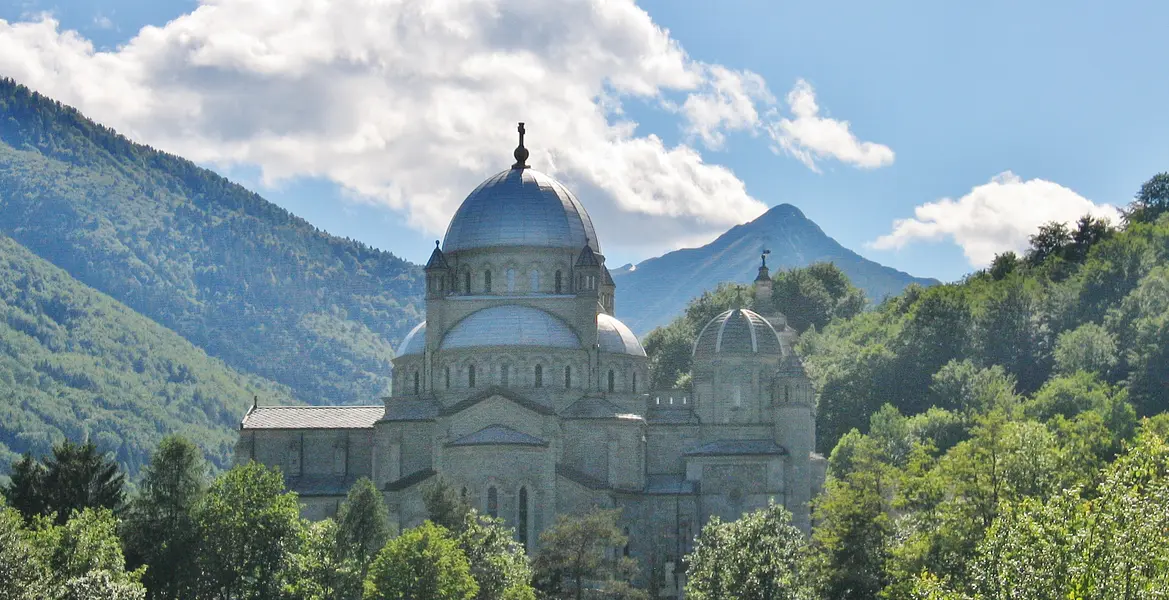
A miraculous fresco and centuries-old devotion led to the construction between 1922 and 1958 of this imposing Neo-Byzantine-style temple, right next to the church of St. Maurice...

Isola Bella
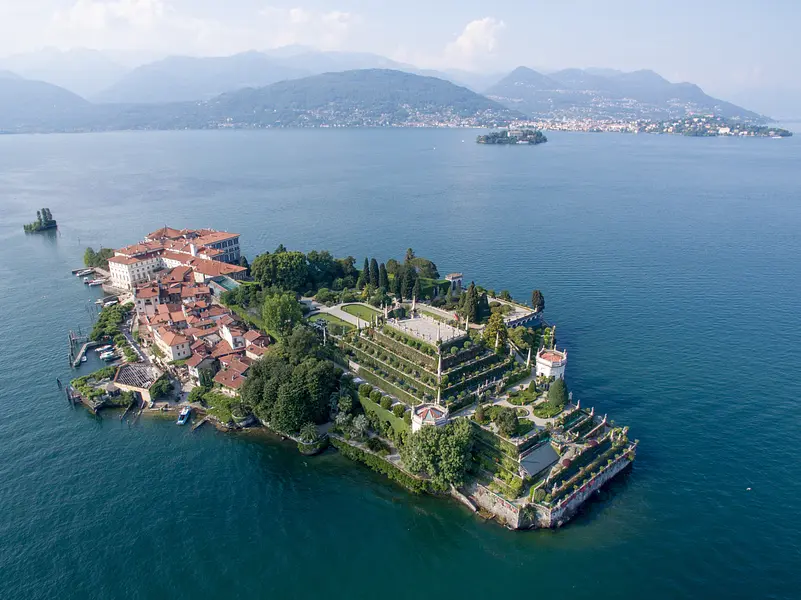
One of the "Borromean Islands" of Lake Maggiore, near Stresa, with a beautiful historic villa with garden still owned by the Borromeo family. So beautiful that it looks like a wedding favor.

Sacro Monte Calvario of Domodossola
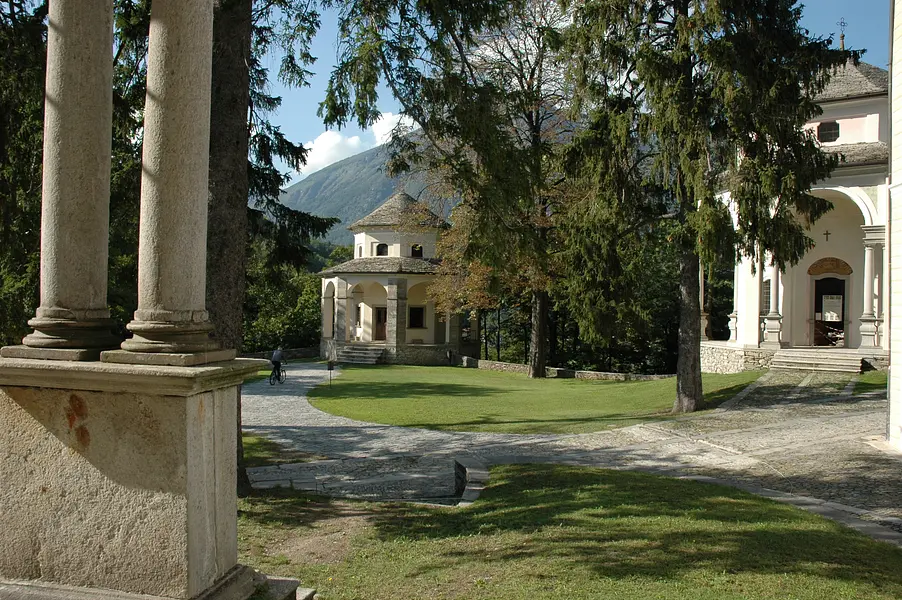
One of the sacred alpine mountains that are part of the UNESCO World Heritage Site, it dates back to the 17th century and features a shrine and 12 chapels full of frescoes and sculptures.

Alpe Veglia and Alpe Devero Nature Park
In the protected areas of Ossola, at an altitude between1600 and 3553 meters, one of the most beautiful nature parks in Piedmont invites us among alpine flora and fauna and unforgettable landscapes.

Guia Gold Mine
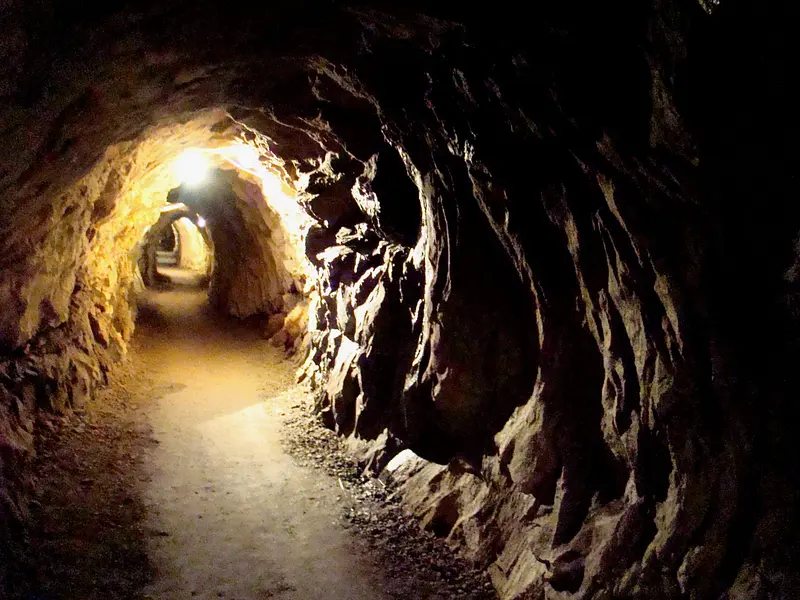
Mining Museum where you can venture on a guided tour through the tunnels of one of Europe's most important gold mines, and learn the stories of the miners and legends related to the mine.

The viewpoint over the peaks of Monte Rosa
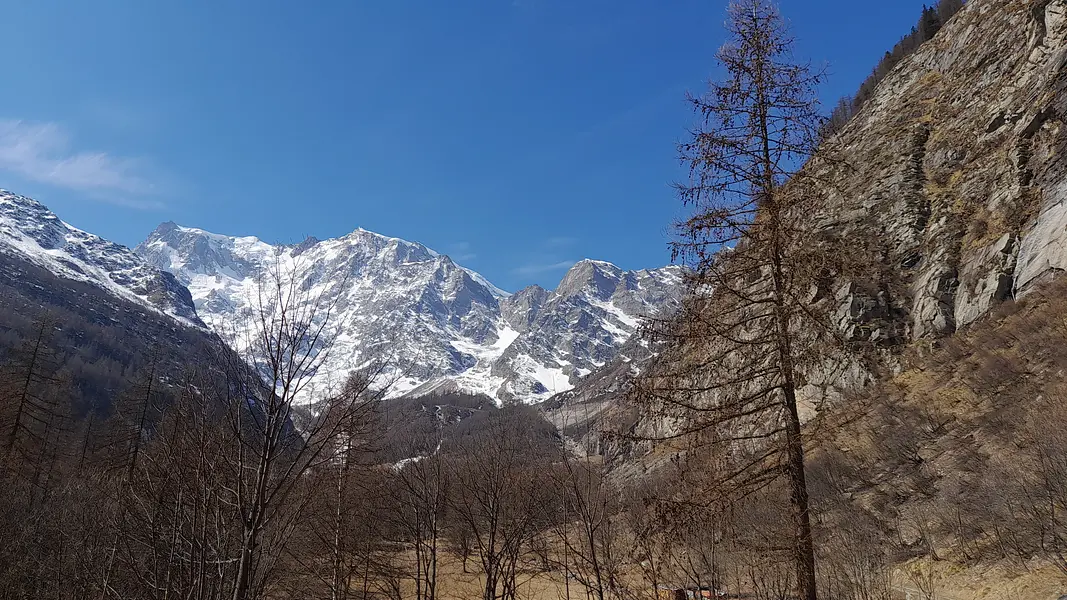
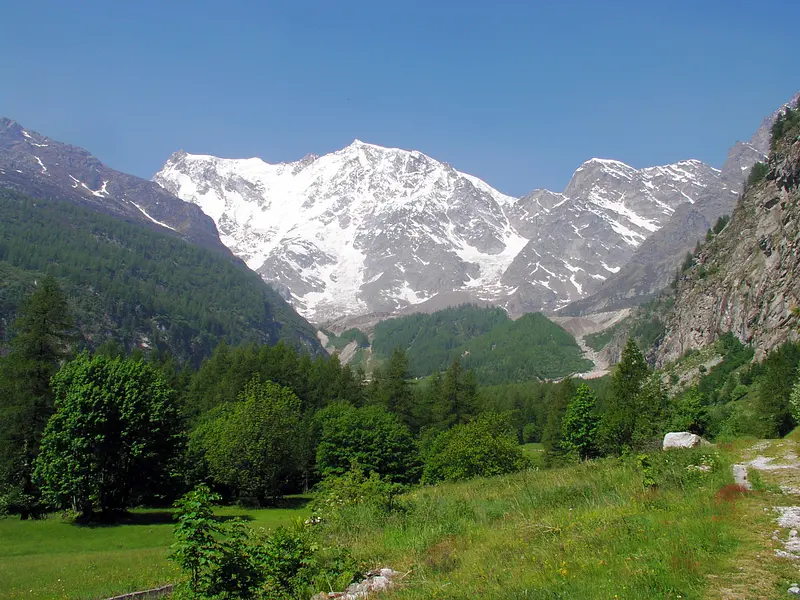
There is a viewpoint reachable from Macugnaga where you can admire the glacier, glacial moraine and the East Face of Monte Rosa, the only Himalayan-type wall in Europe.

The Walser rye bread oven
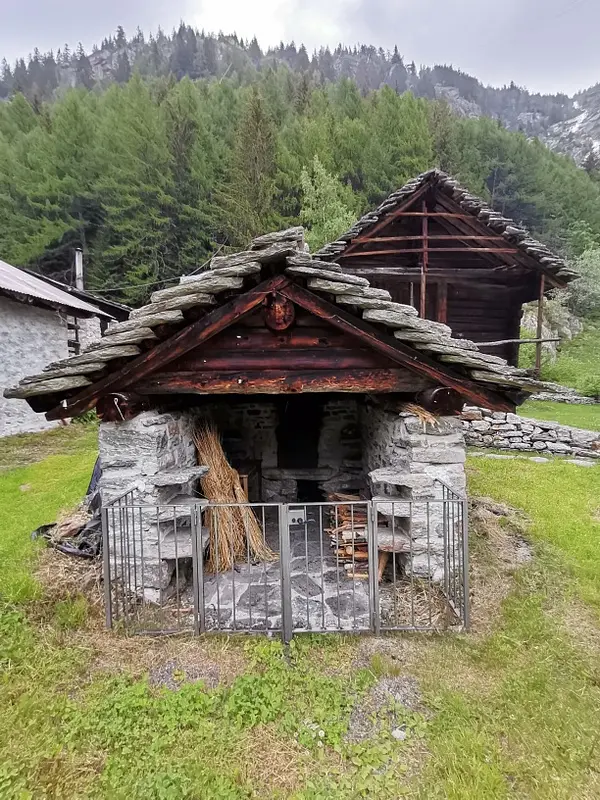
In the Dorf of Macugnaga is the oven that was used by the Walser community to bake traditional bread made from rye flour. A second version also contains raisins and walnuts.

Macugnaga Wildlife Oasis
Protected place, where it is possible to hike, in a sustainable and responsible way, in order to observe the fauna of the Upper Anzasca Valley and Monte Rosa.

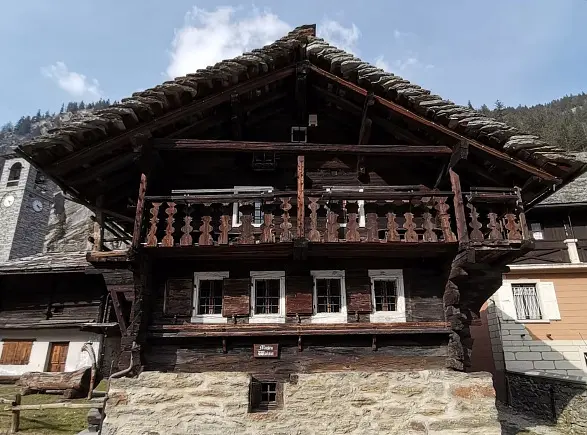
Old Walser House of Borca
A 17th-century Walser house in a hamlet in the municipality of Marcugnaga gives an immersion into Walser life and traditions. A small jewel lovingly cared for by a group of volunteers.

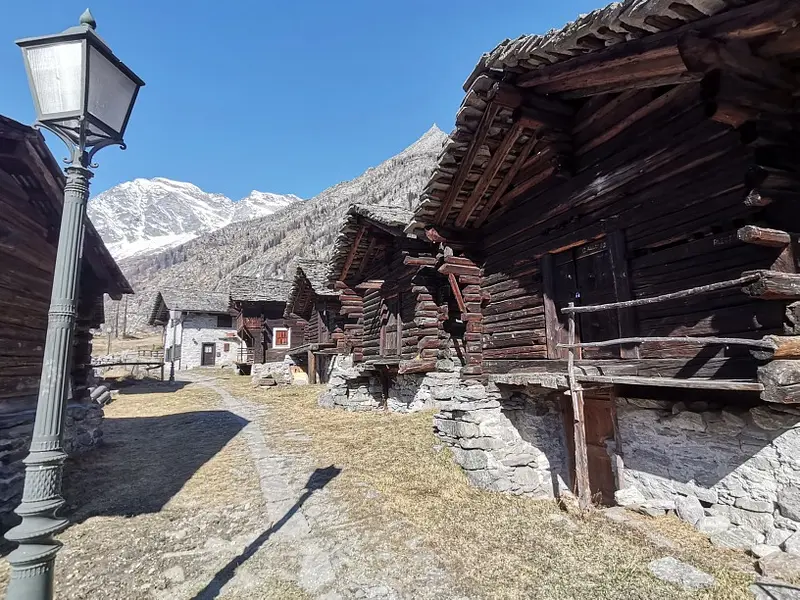
The Dorf of Macugnaga
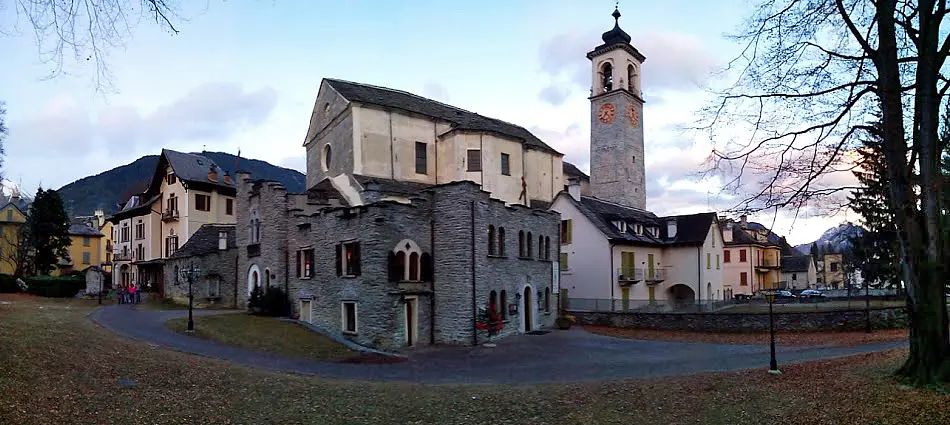
From the Old Church in Macugnaga you enter the Dorf, the old Walser village with typical wood and stone houses dating back to the 1700s.

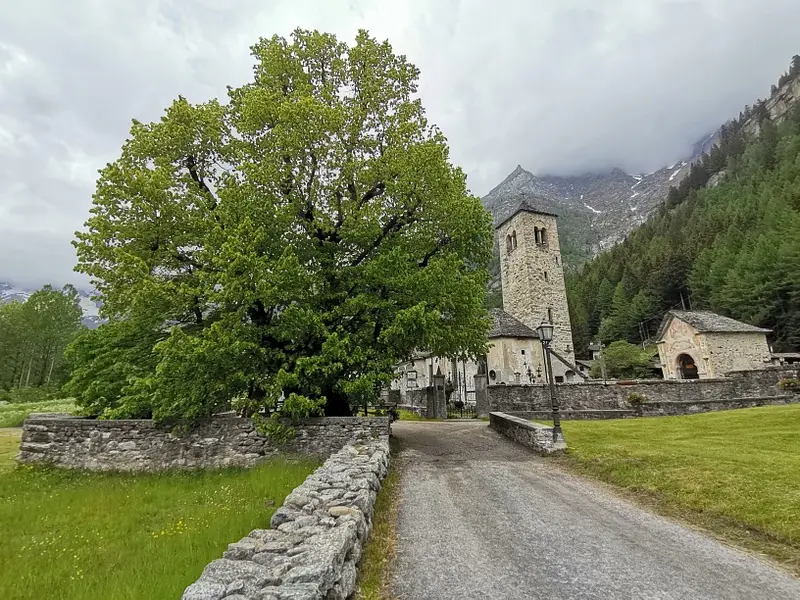
The "Old Linden Tree" (Der alte Lindebaum)
The Old Linden Tree, called Alte Lindebaum in Titsch, the language of the Walser, is a monumental tree found in Macugnaga that dates back to the second half of the 13th century.

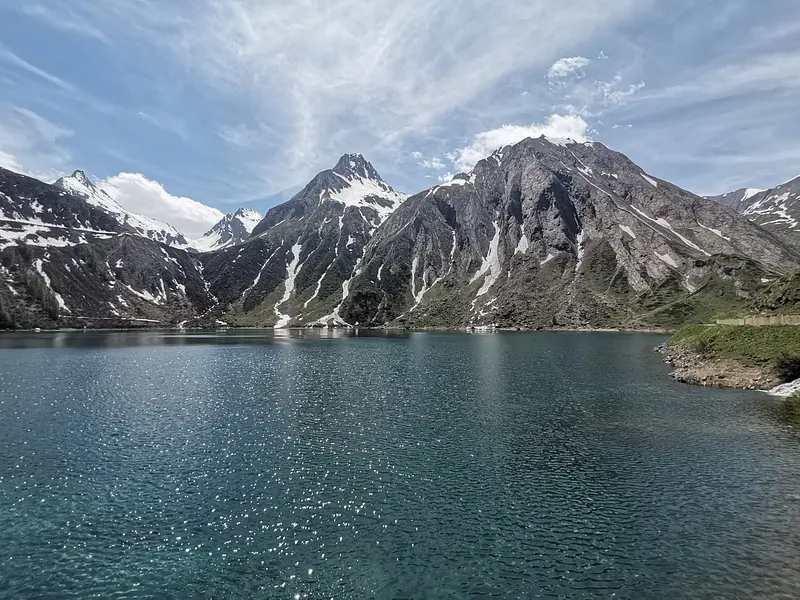
Lake Morasco
Artificial lake created through the construction of a huge dam in the 1930s. You can go around the lake either on foot or by bicycle to admire a wonderful alpine panorama.