
San Giacomo de Muro Rupto, Assisi, an ancient medieval church
Tucked away in the upper part of the village of Assisi, it’s a gem worth visiting with love

Where

What Is S. Giacomo de Muro Rupto and Where Is It?
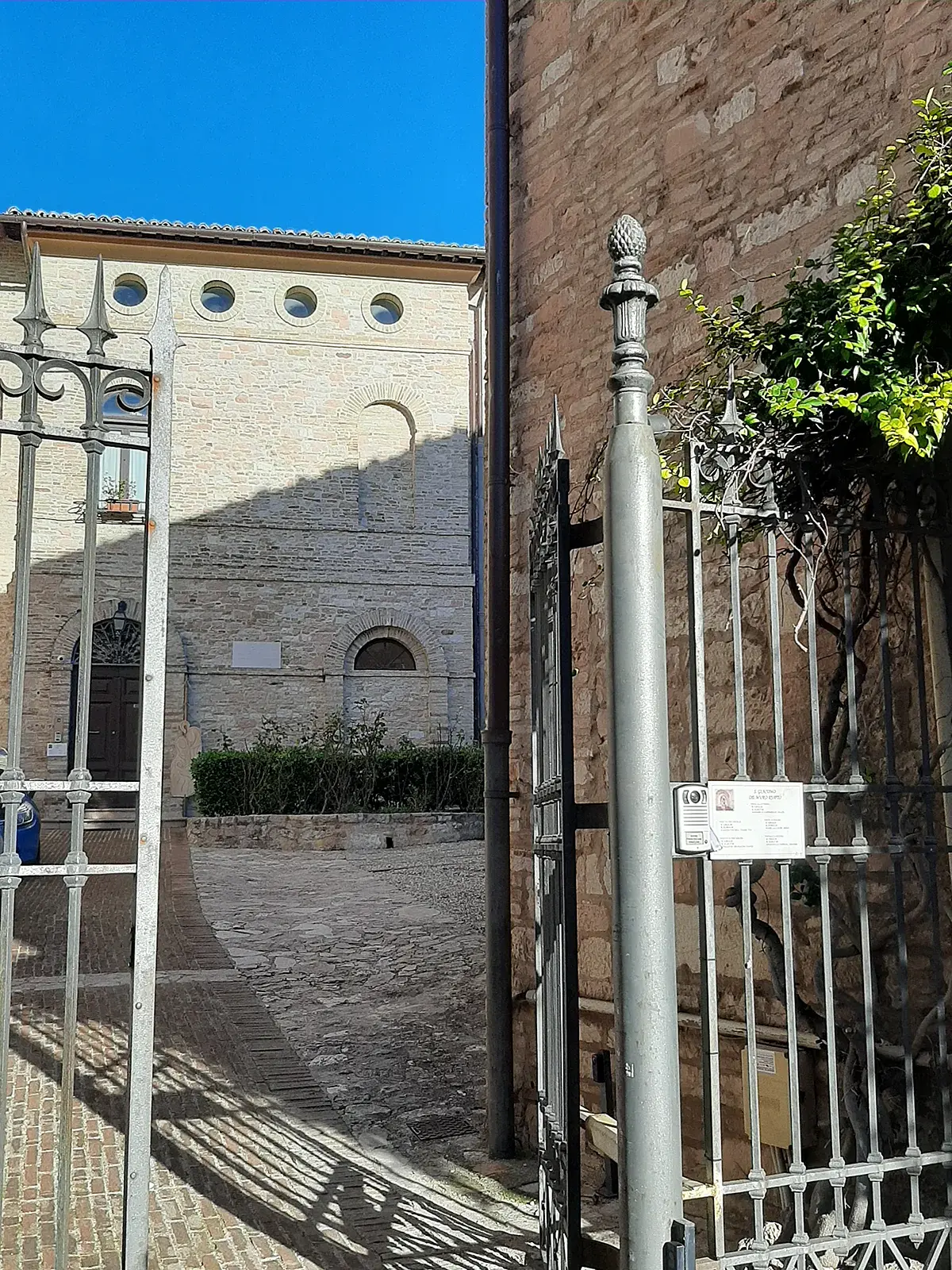
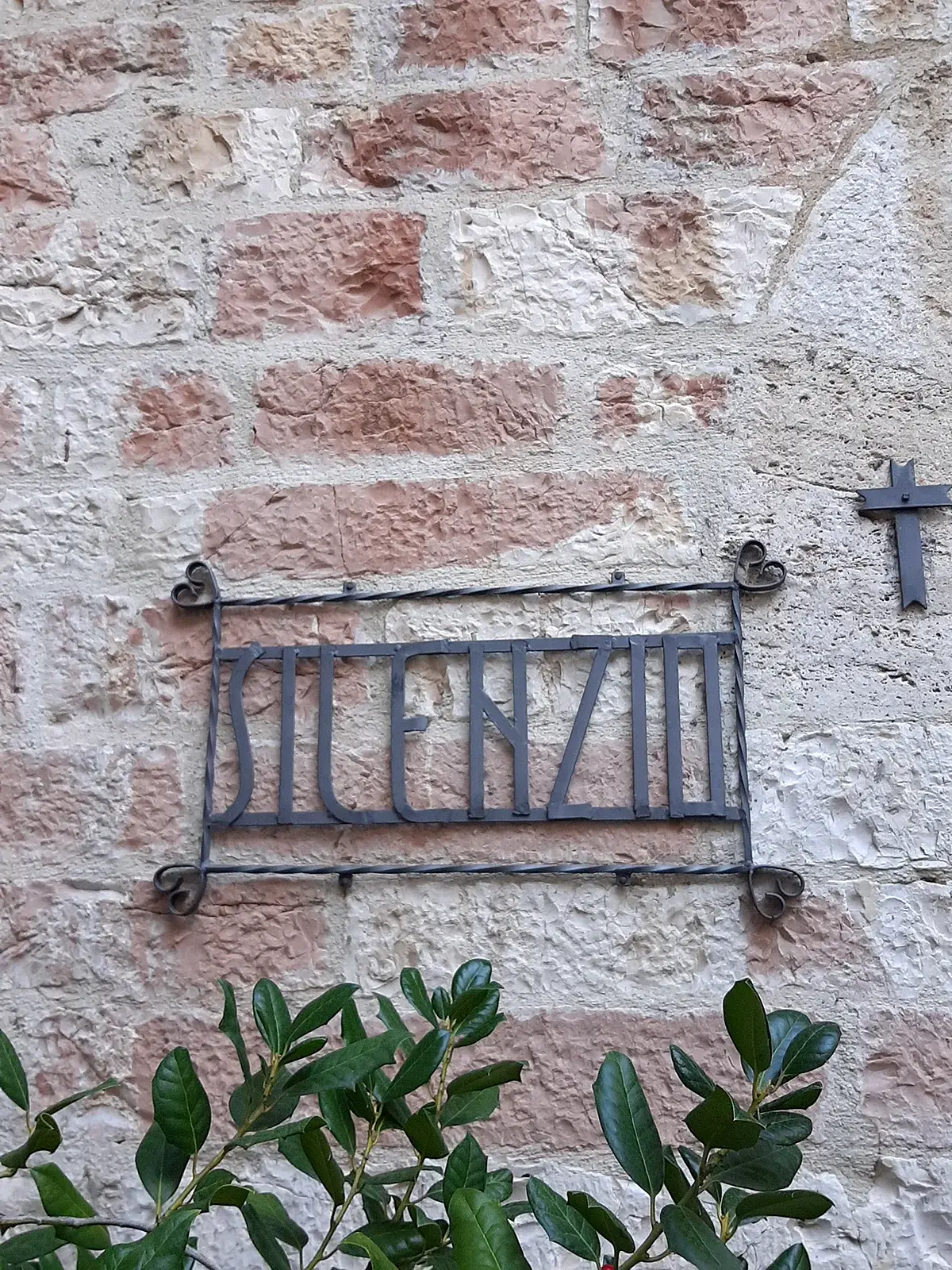
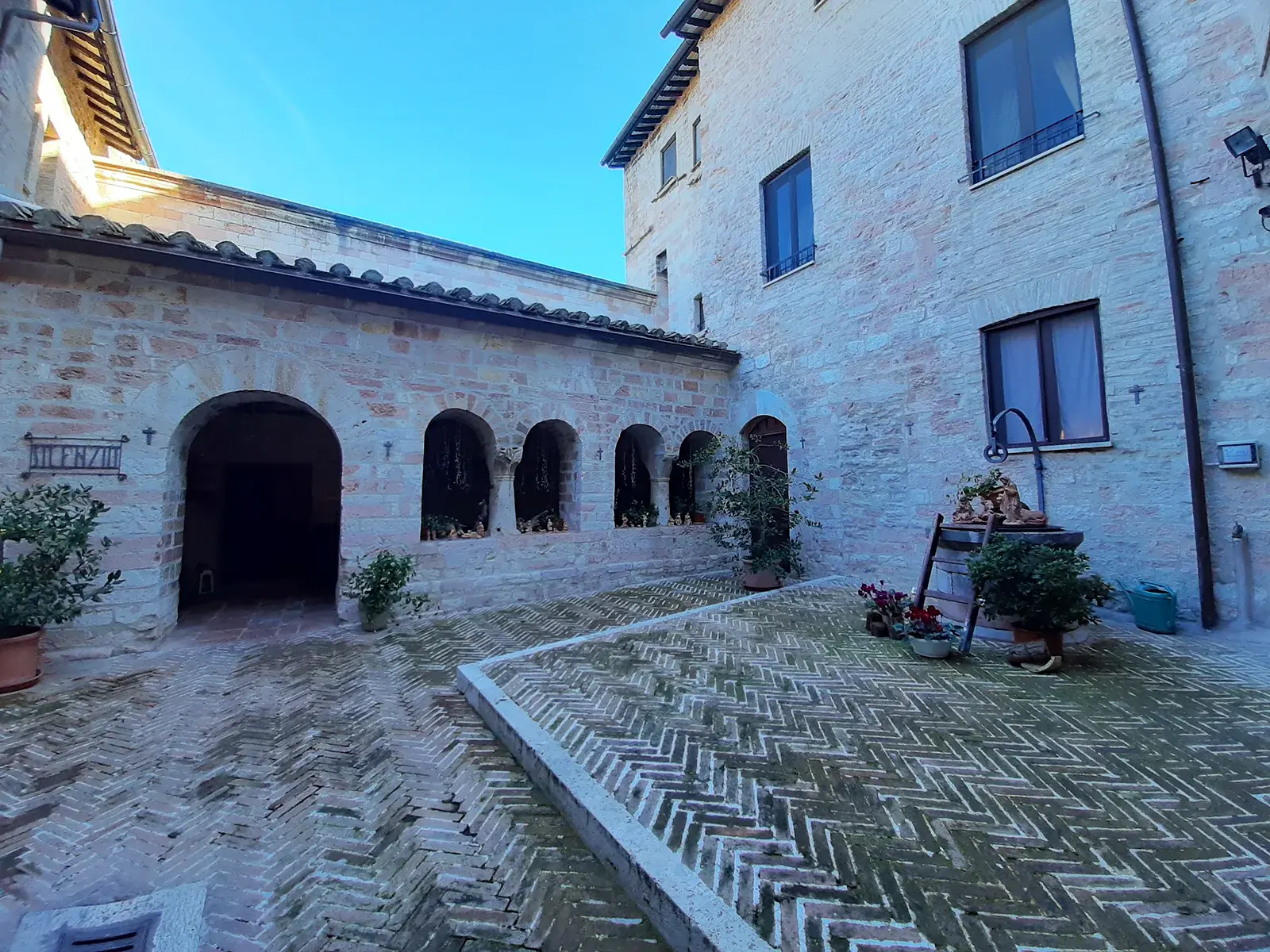
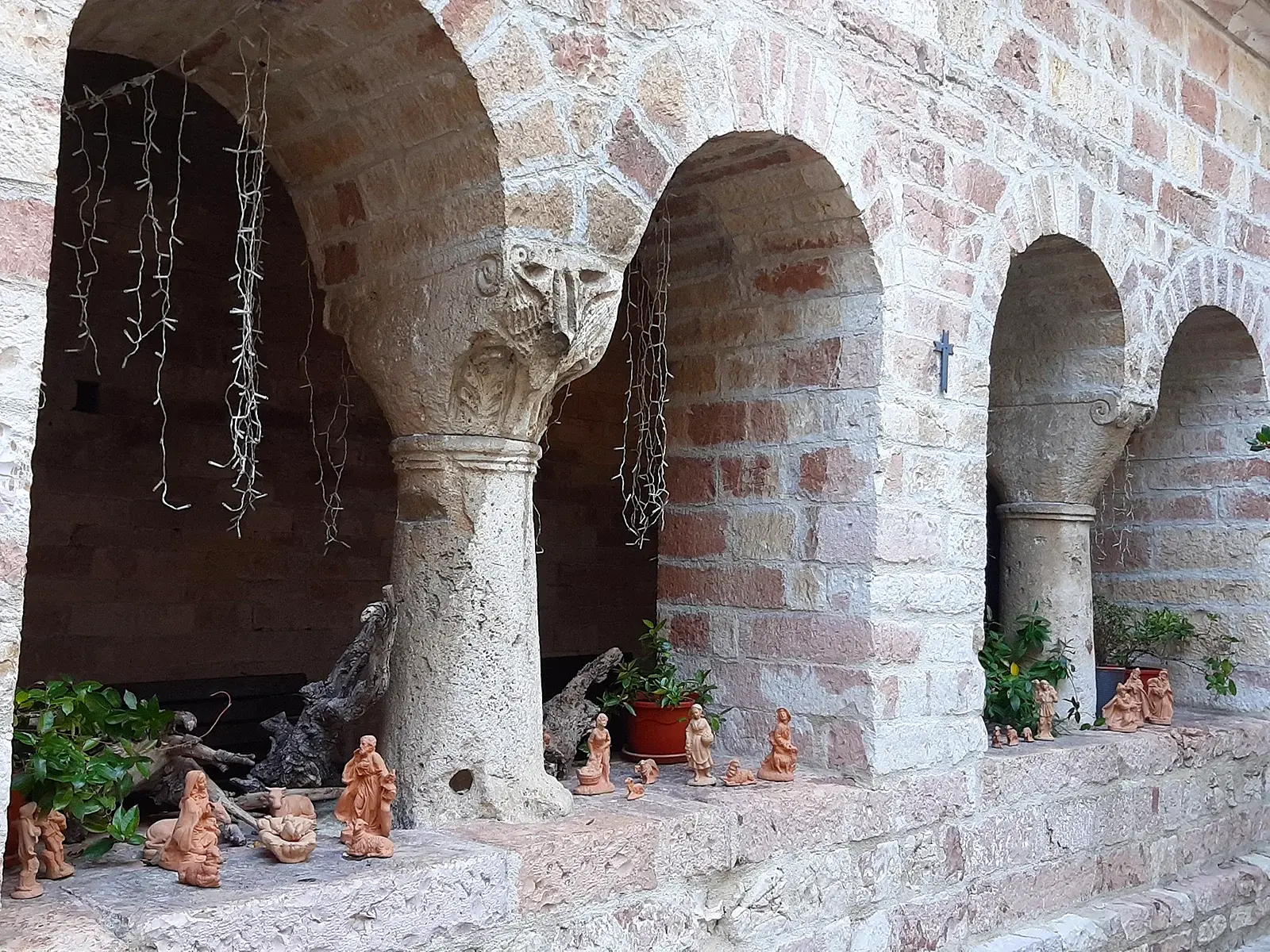
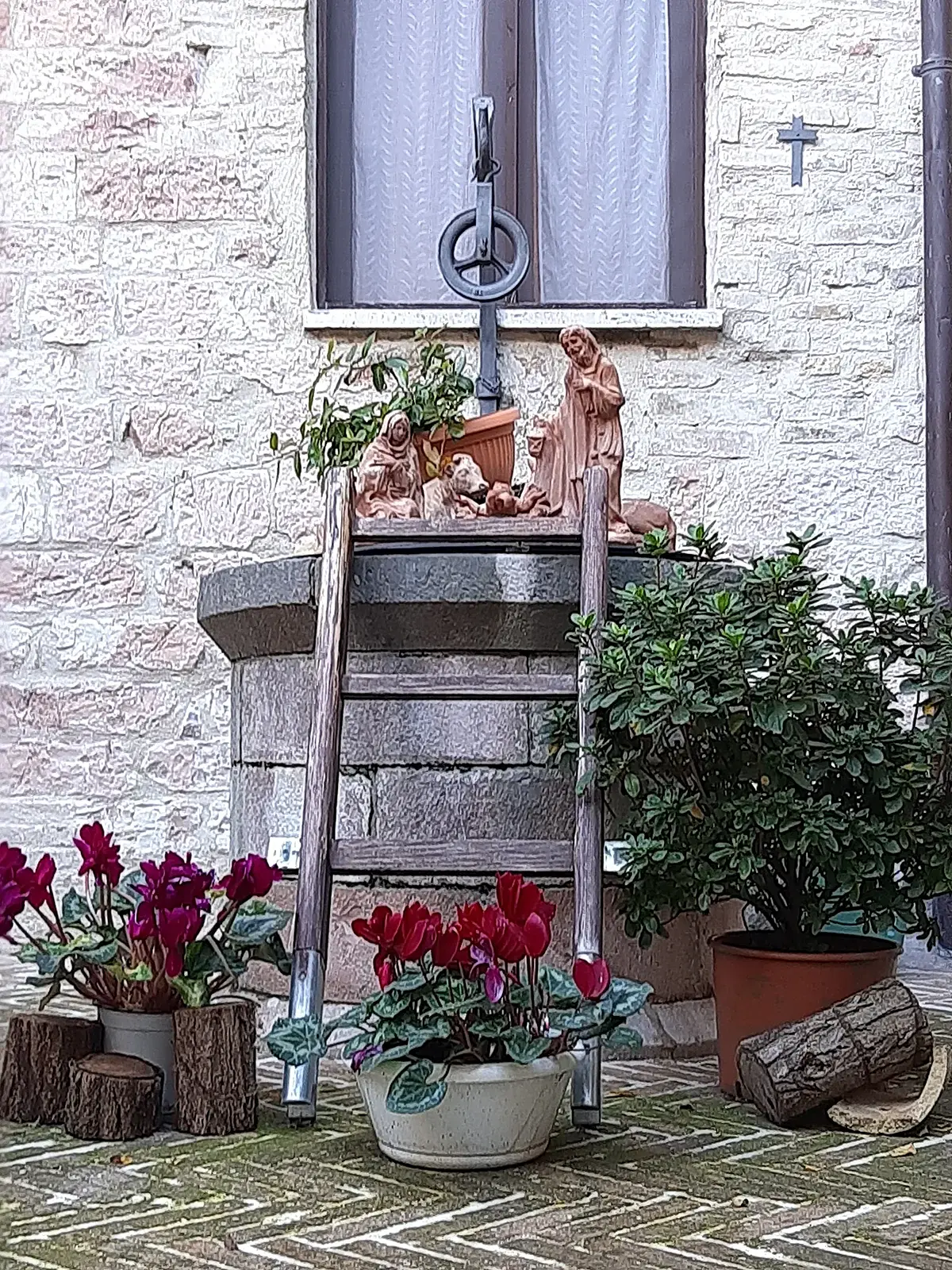
The town of Assisi is divided into two parts: the upper town and the lower town. Hidden among the narrow streets of the upper town is a small church—one of the oldest among the many found here, perhaps the oldest of all. It’s one of those hidden gems in Assisi that you’re unlikely to stumble upon by chance. We were lucky enough to meet a nun during a visit to the monastery of San Damiano, who told us about San Giacomo de Muro Rupto and explained that when you arrive , you’ll find yourself in front of a gate— often locked—that opens onto a courtyard and looks like a private entrance. But if you look closely, there’s a sign with visiting hours and a doorbell; just ring it to be welcomed by one of the Franciscan Angeline Sisters, the current caretakers of this place. You walk through a small , ancient, peaceful cloister —a marvel in itself—and enter the little church of San Giacomo de Muro Rupto.
Not to be missed: a medieval gem of Franciscan simplicity
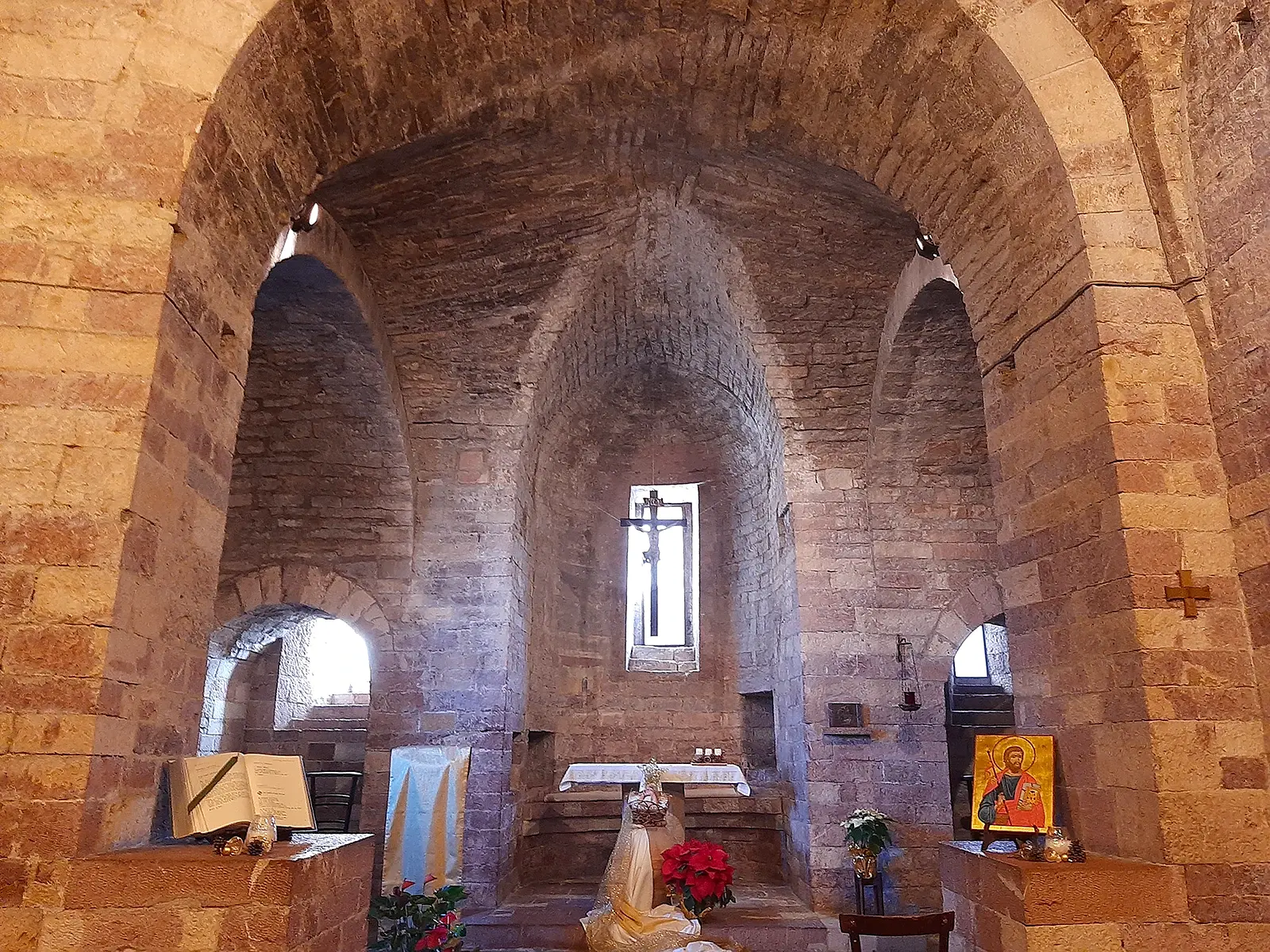
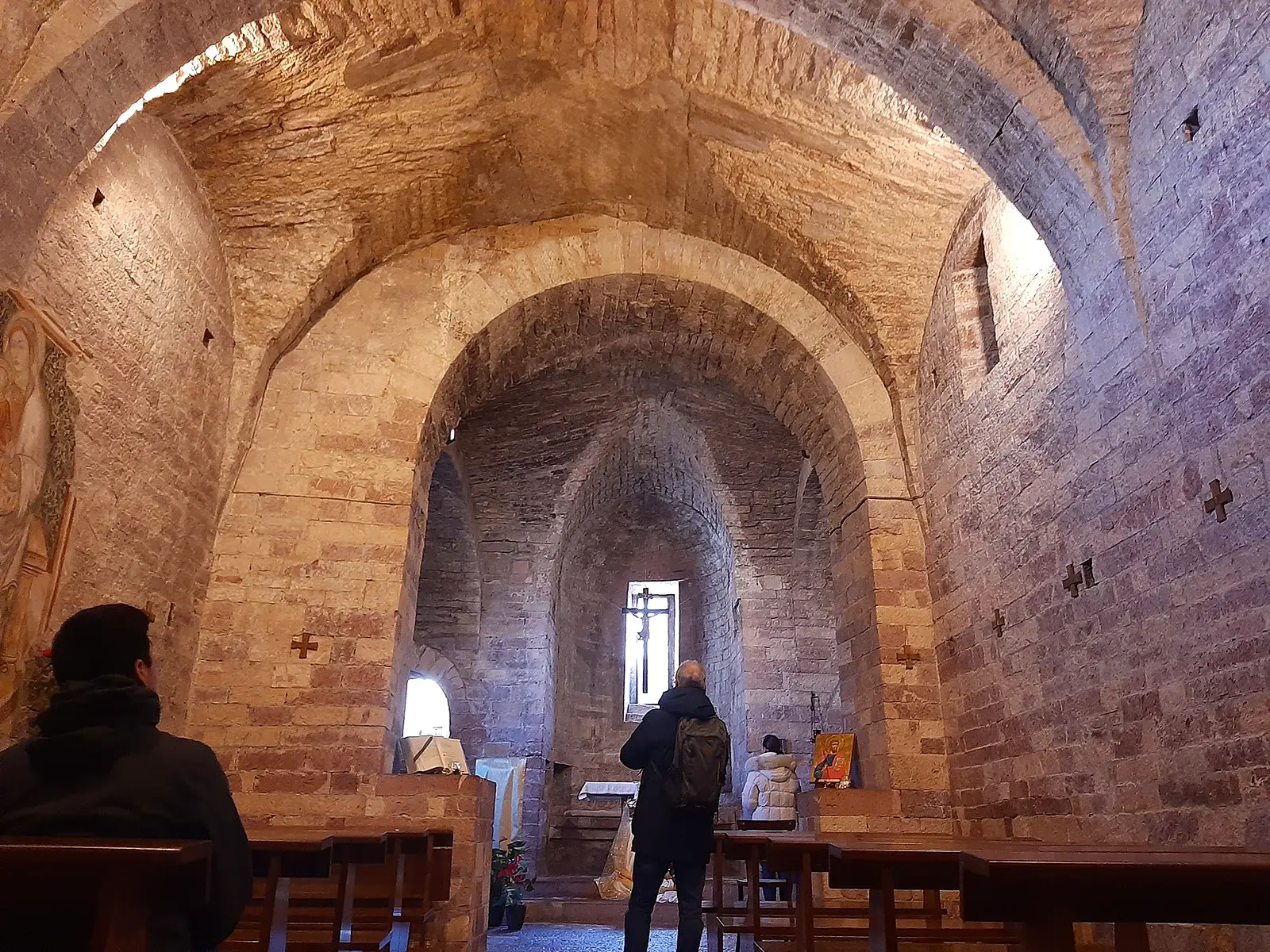
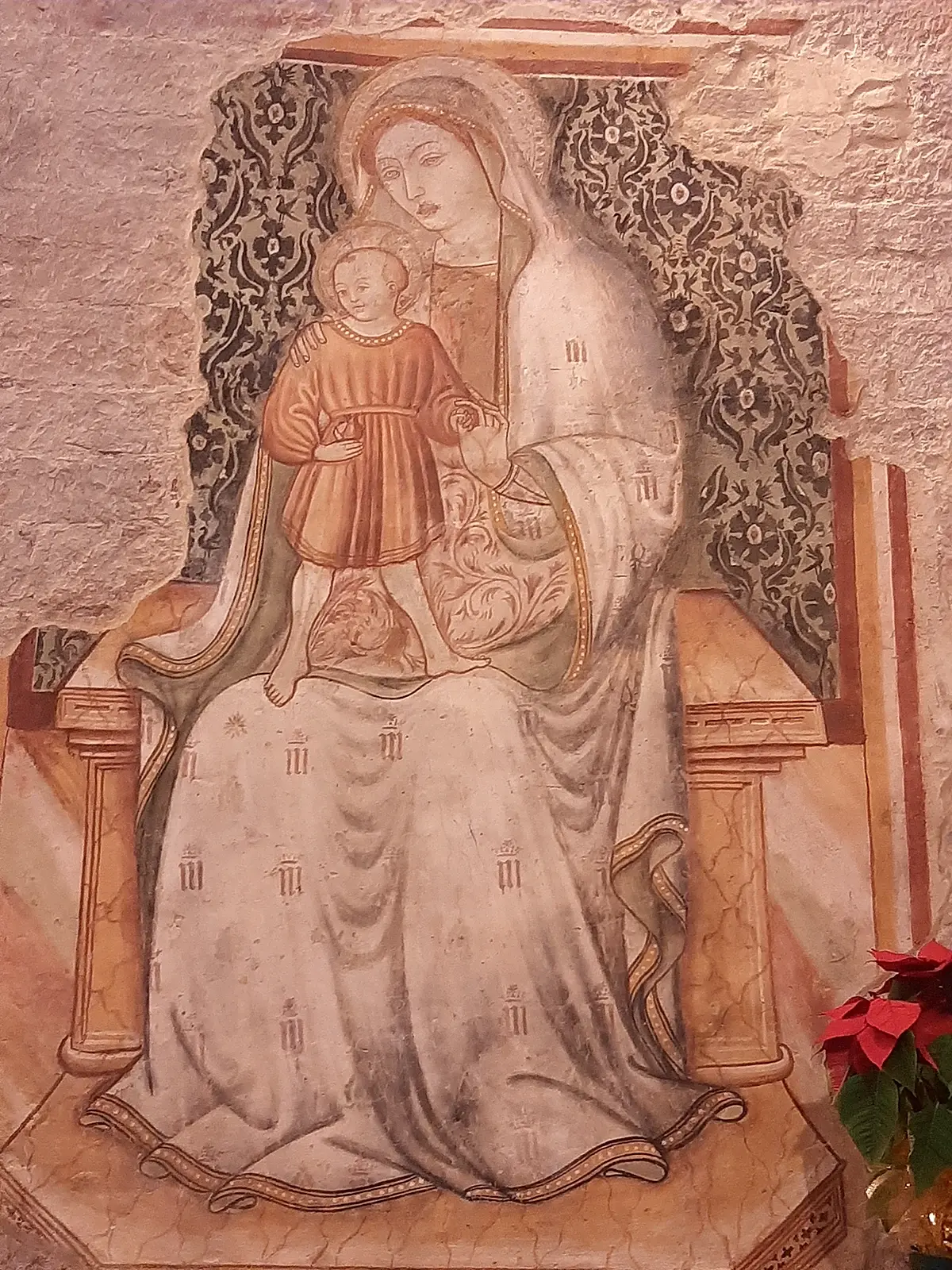
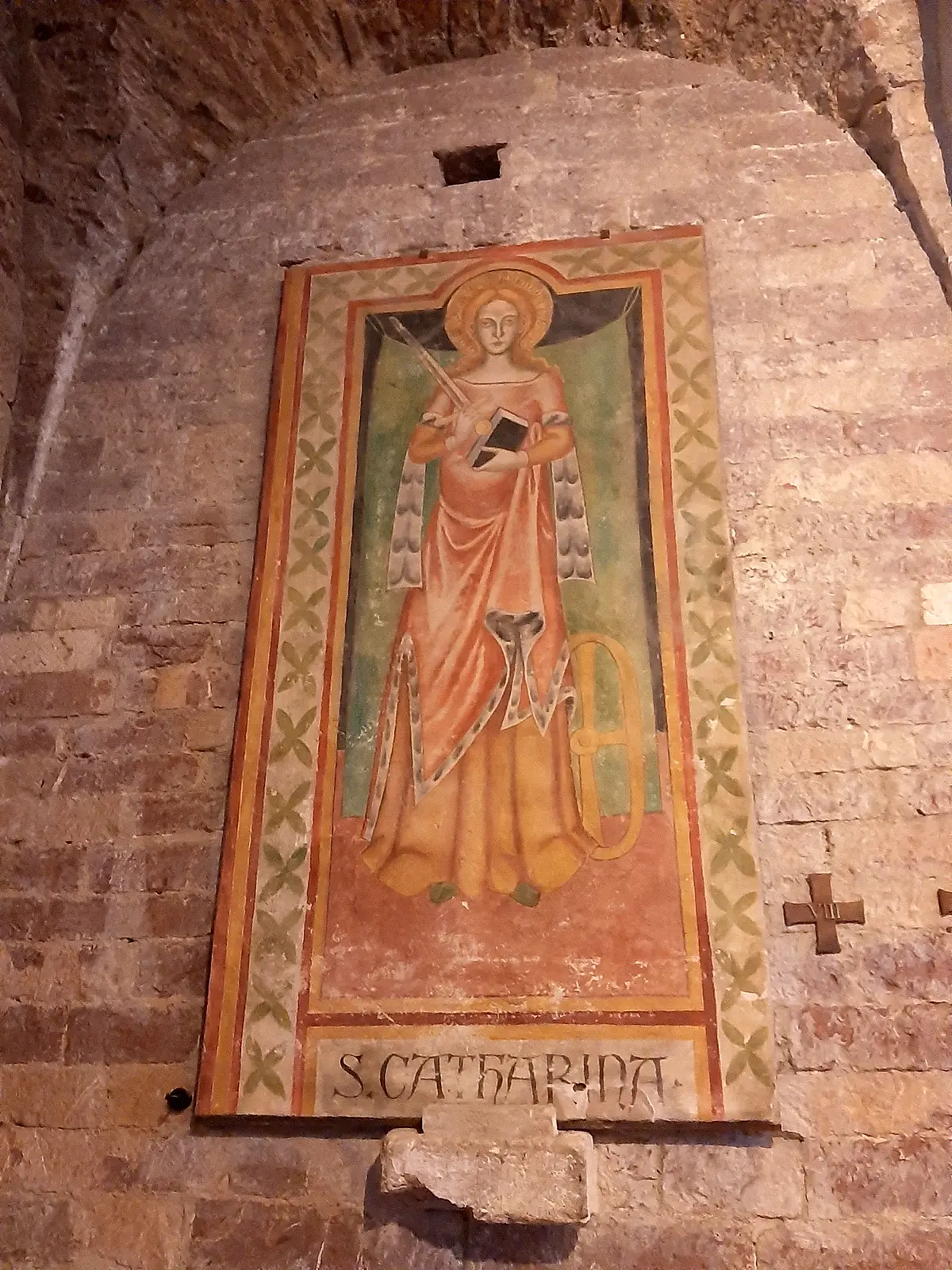
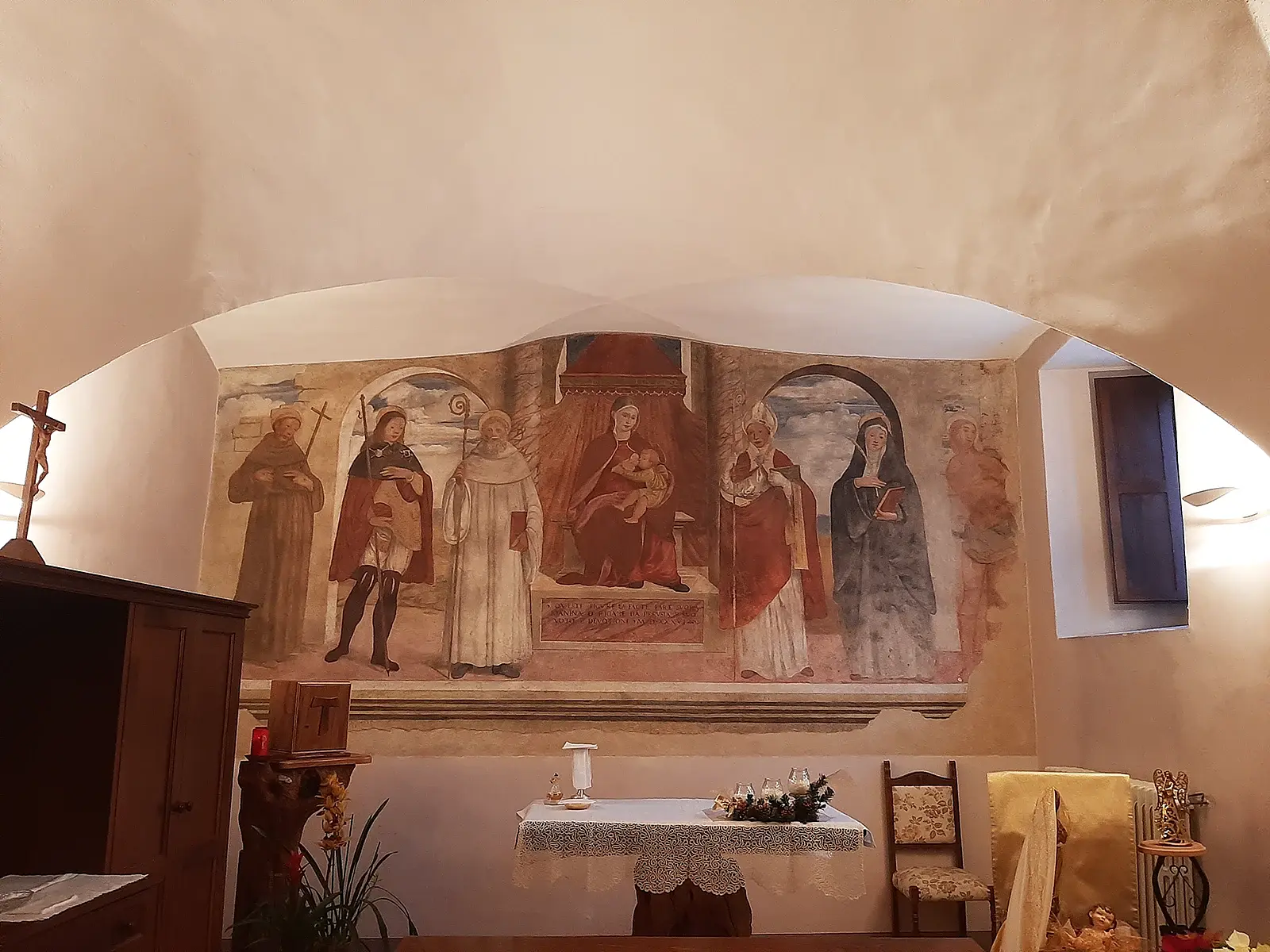
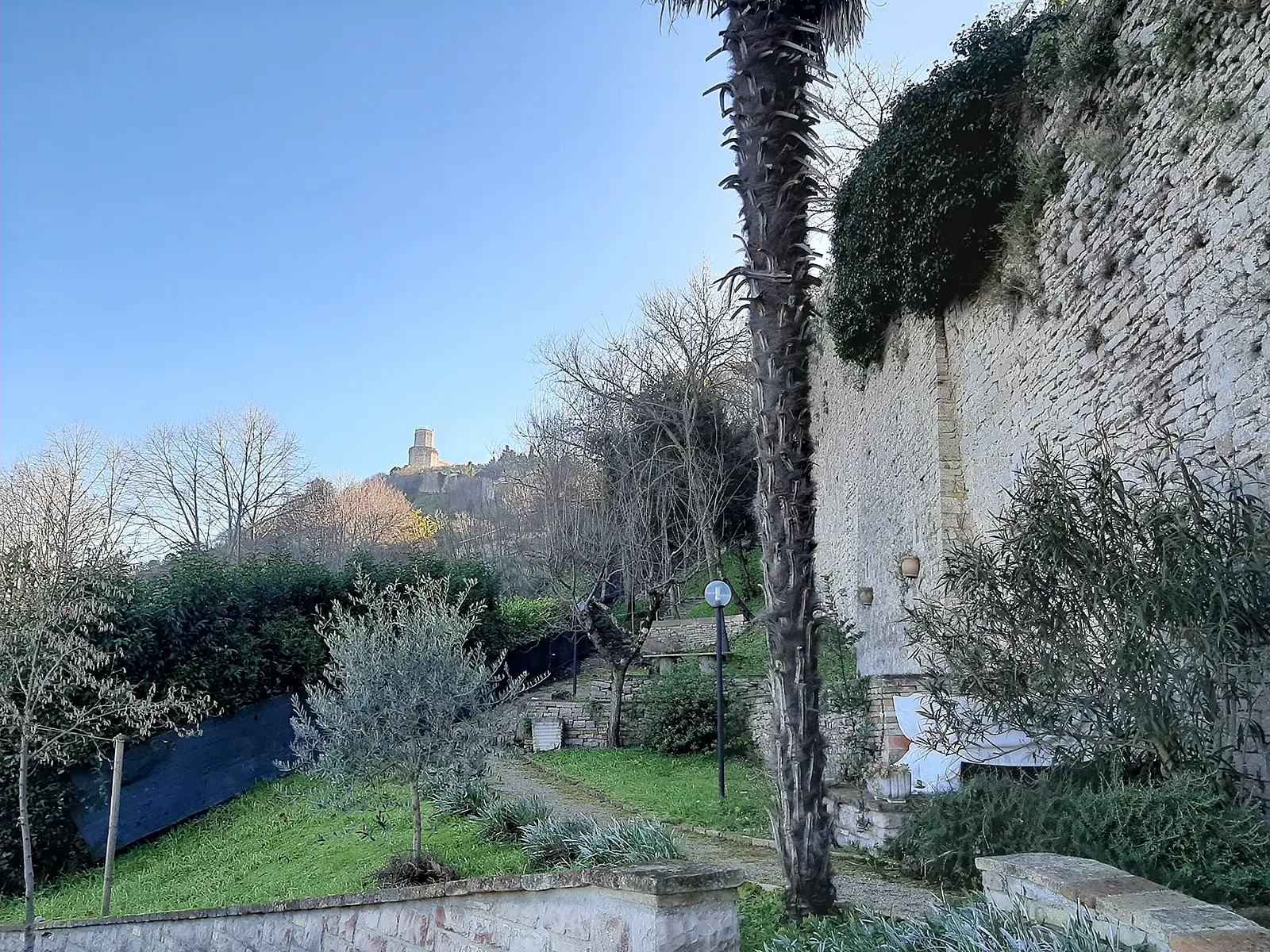
This small medieval church doesn’t just welcome you— it embraces you. Like an older sister you haven’t seen in a long time, or a mother who comforts you. The nave is divided by simple bays made of local stone, as are the small apse and transept, but the stone— skillfully restored— reveals its warmest and most welcoming hues, except in one spot, where a trace of the effect of candle smoke on the ceiling has been preserved. Today, few traces remain of the frescoes that once adorned it, but two are truly beautiful: a Madonna Enthroned with Child— my favorite—and a standing Saint Catherine in front of the church door. Accompanied by the Mother Superior , we were also fortunate enough to admire some hidden treasures accessible from the transept. Through a door on the right , you enter the Chapter House— a small, intimate space featuring a beautiful 16th-century fresco of the Madonna del Latte. Through the small door at the far left end of the transept, however, you step outside into a garden overlooking the city walls—a little corner of serenity and beauty that soothes both the soul and the eye.
Why it’s special: secret spots in Assisi, oases of peace
Assisi is home to many churches, monasteries , and well-known shrines worth visiting: St. Francis, Saint Clare, and Saint Mary of the Angels, to name a few, which draw crowds of pilgrims and visitors every year—so much so that at times you might feel a bit lost, and that idea of a spiritual retreat remains a dream to be cherished while surrounded by many other people. There are, however , some almost secret places that few know about but which have shaped the history of Assisi and the people and saints who lived there. One of these is San Giacomo de Muro Rupto: simply leave the Basilica of St. Francis behind you, take the road on the left that goes uphill, and continue into the village until you reach the monastery gate.
May God Help Us: Filming Locations
There is, however, a curious phenomenon: even though few know where the church of San Giacomo is located, many are familiar with it—or at least have seen its beautiful cloister— which is one of the filming locations for “Che Dio ci Aiuti,” where Azzurra, the protagonist of the Rai TV series, is often seen.
A Bit of History
The origin of the Church of San Giacomo de Muro Rupto is documented in a notarial deed dated October 1088, in which a certain Ubertino, son of Guittone di Leto, donated some lands to Berardo, Abbot of the Monastery of Santa Maria di Farfa, so that a church dedicated to St. James might be built there. Ubertino had been sentenced to 300 years of penance by the Bishop of Gubbio for having killed several people. Donating the lands to the Abbey meant obtaining forgiveness. Throughout their very long history, the church and the monastery were entrusted to various religious orders. The part I find most beautiful concerns the final period, when , at the beginning of the 20th century , the monastery was converted into the “St. Francis of Assisi Women’s Workshop and Recreational Center,” run first by the Sisters of St. Anne and now by the Franciscan Angeline Sisters. The aim was to provide the daughters of poor families in Assisi with an education in healthy living, family life, and the art of a craft. Even today, there are workshops—for example, in embroidery—that allow the Sisters to lovingly share their knowledge.
Fun Fact: Where does the name “de Muro Rupto” come from?
The name of this church, San Giacomo de Muro Rupto, is rather unusual, combining the name of the saint to whom the church is dedicated with a physical characteristic of the site where it stands. The word “ruptus” is thought to derive from the Latin “praeruptus” or “abruptus, ” meaning steep or precipitous; thus, the name “de Muro Ruptus” refers to a wall built on steep terrain.
Love discovering Wonders? Come on, get involved and watch your Cherry-o-Meter grow!
Collections
The Map thanks:
Love discovering Wonders? Come on, get involved and watch your Cherry-o-Meter grow!
Where
Collections