Experience the Map of Wonders
Wonders I’ve suggested

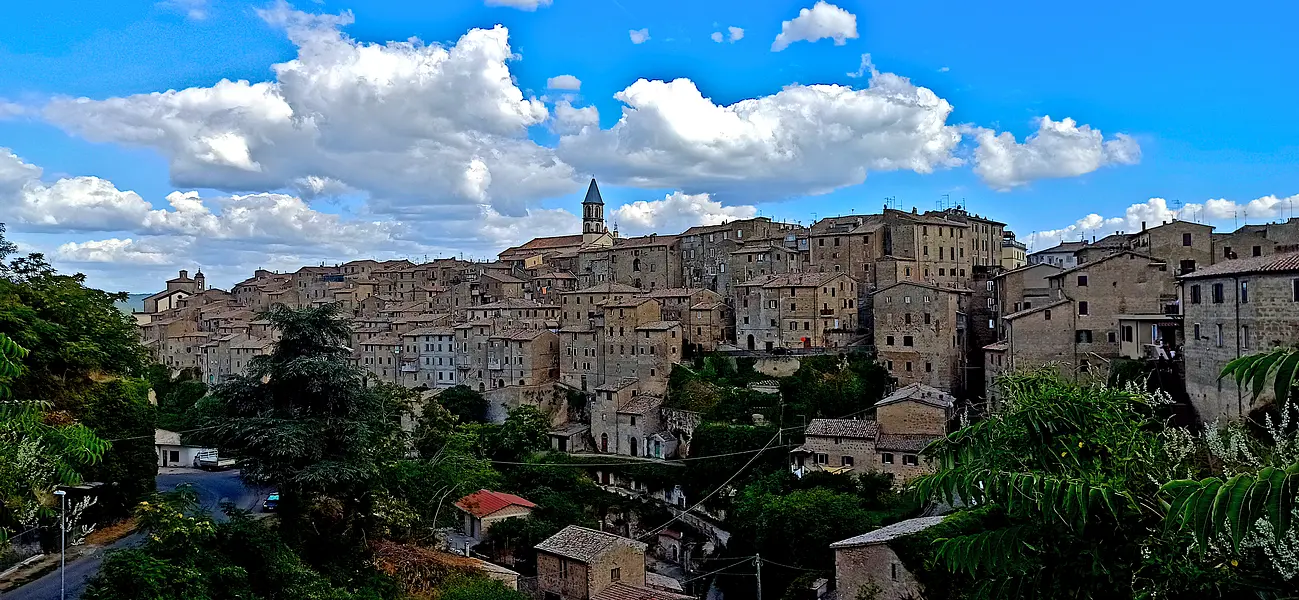
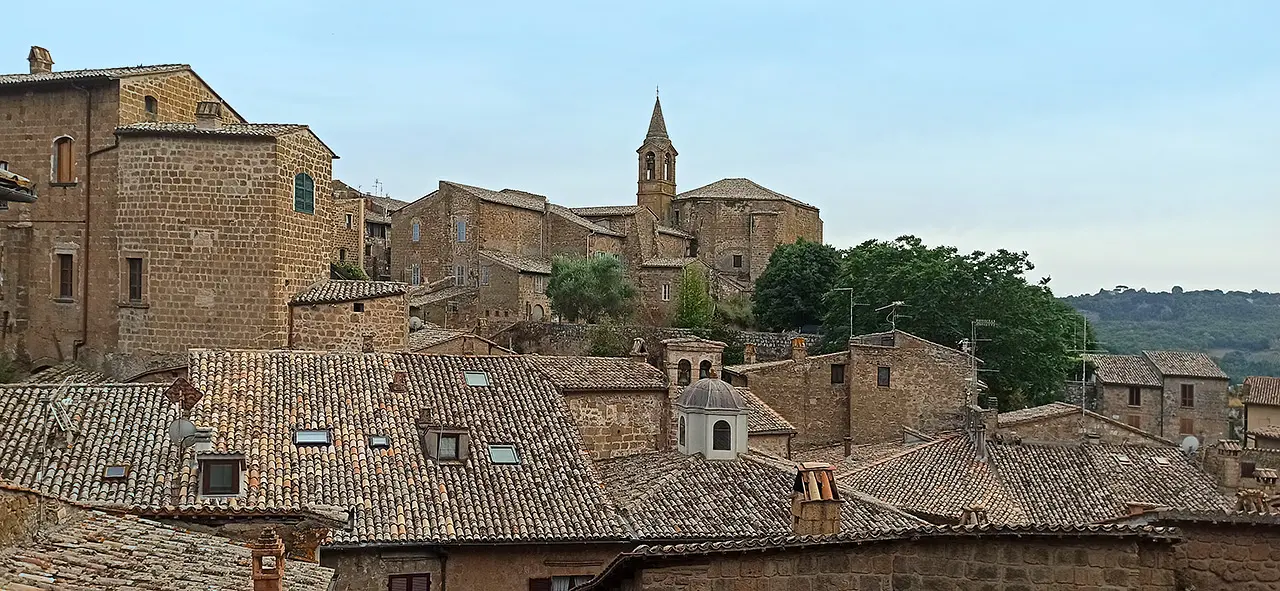
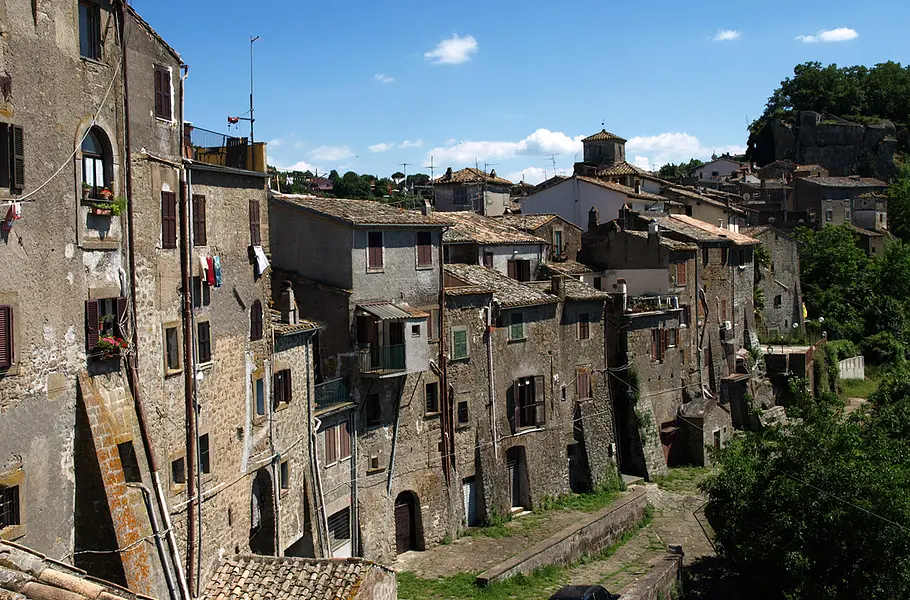
The village of Grotte di Castro
One of the most picturesque villages of Tuscia Viterbese, perched on a rocky outcrop and built entirely of tuff stone. Every narrow street hides a glimpse, every hill a thousand-year-old secret.

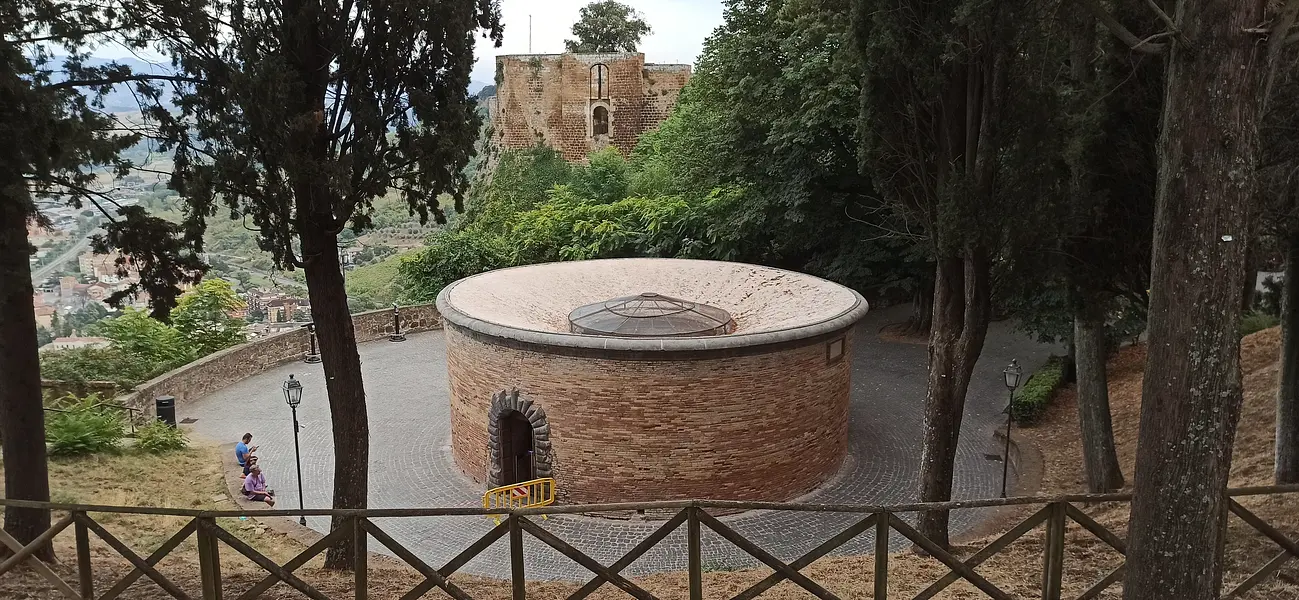
St. Patrick's Well in Orvieto
Built in the 16th century, in addition to being the deepest well in the city of Orvieto at 54 meters, it celebrates human ingenuity, as the Latin inscription at the entrance reads.

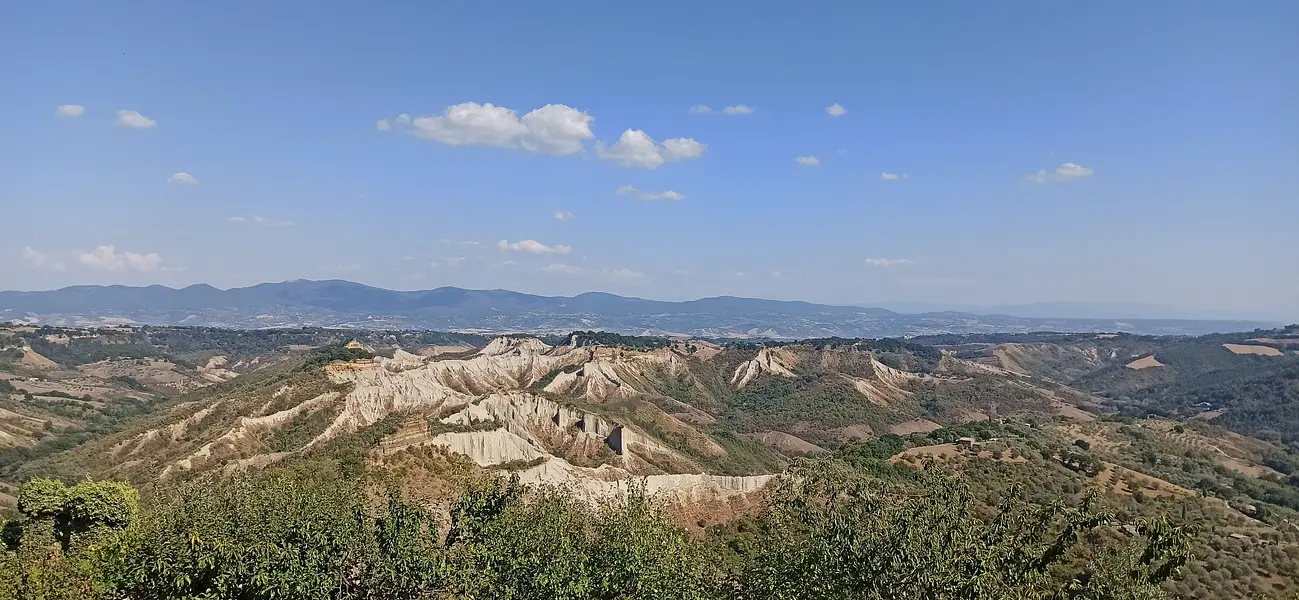
The Valley of the Calanchi in Bagnoregio
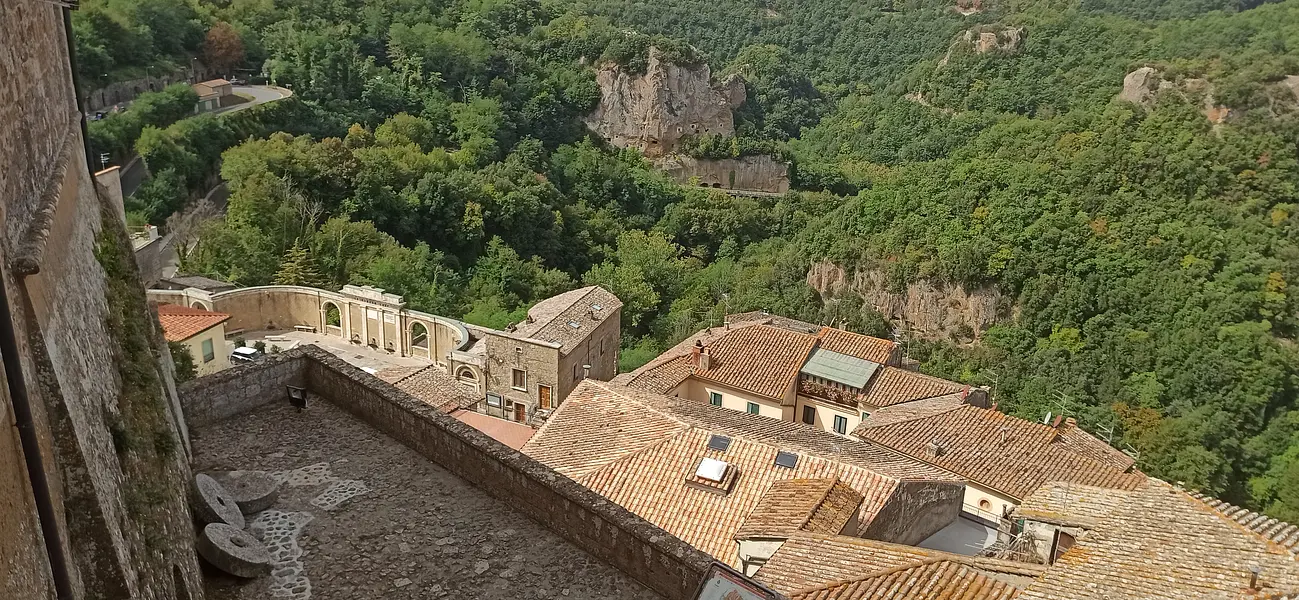
Calanques are particular hills characterized by pronounced erosion phenomena. Some arise in the Tuscia viterbese, particularly in the area known as the Valley of the Bagnoregio Badlands.

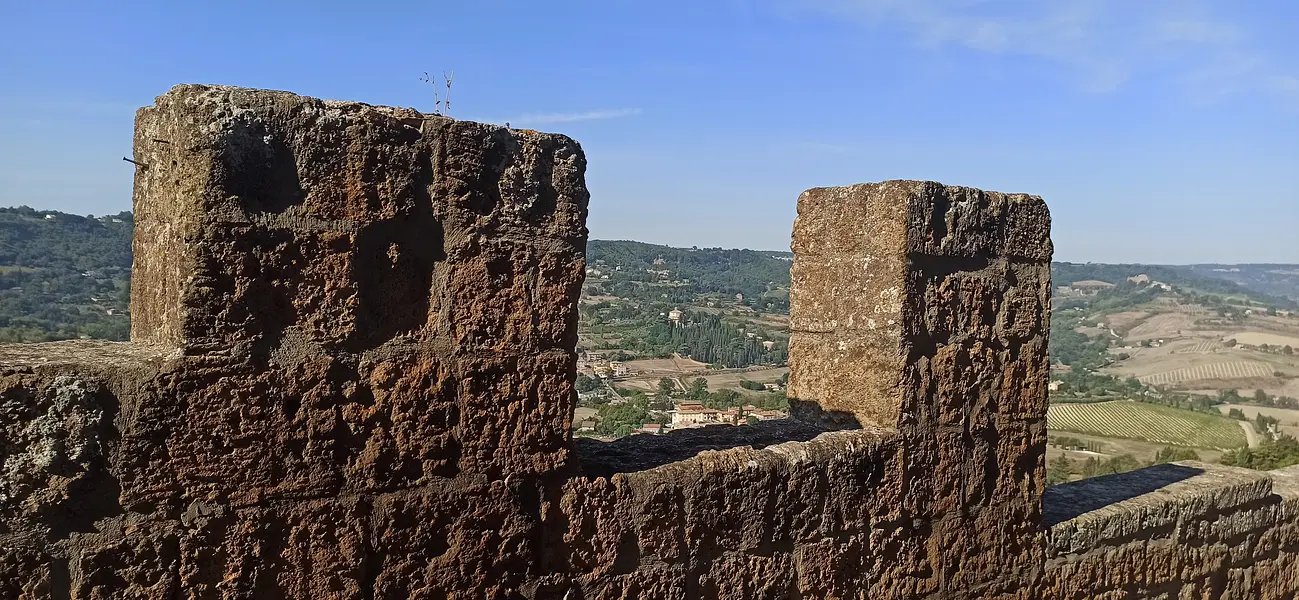
Panoramic walk of Orvieto
A long exterior walkway that embraces the entire old town of Orvieto, which stands on a spur of tufa rock, with unmissable views of the rolling hills that surround it.

Medieval quarter of Orvieto
Away from the historic center, where the Duomo stands, an intricate and picturesque network of back alleys makes up Orvieto's beautiful medieval quarter, where you can visit the Pozzo della Cava.

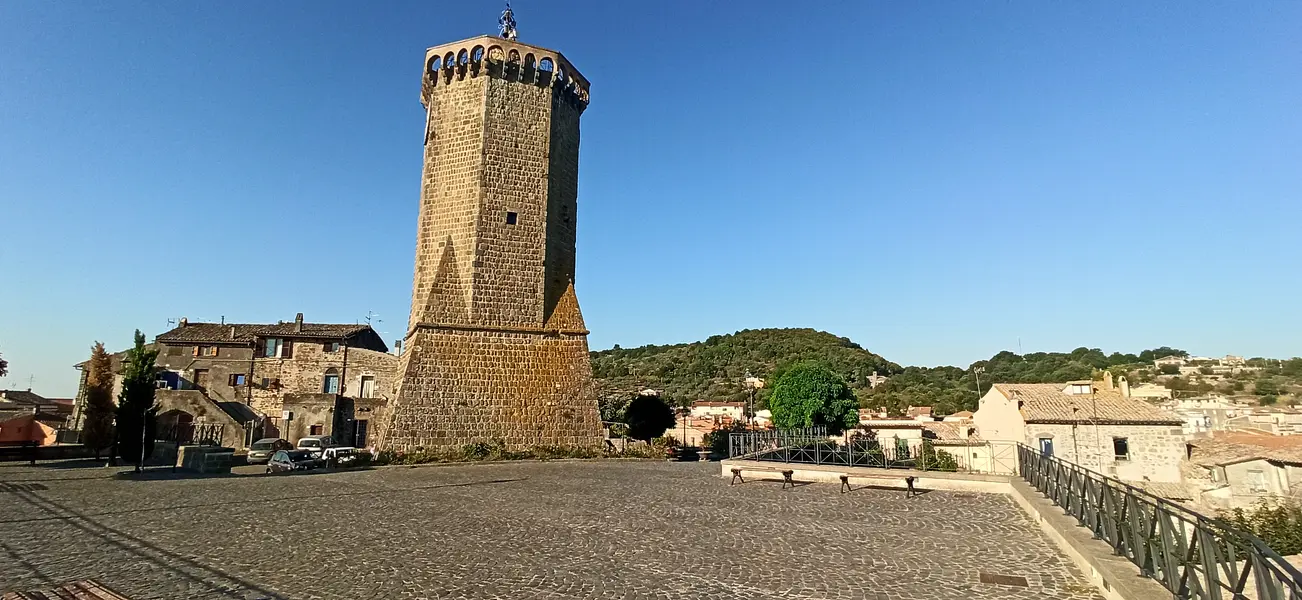
Marta Clock Tower
Dominating the panoramic terrace at the center of the stone village is the clock tower, a symbol of the lakeside town. A twenty-one-meter-high beacon of history that enchants visitors and natives alike.

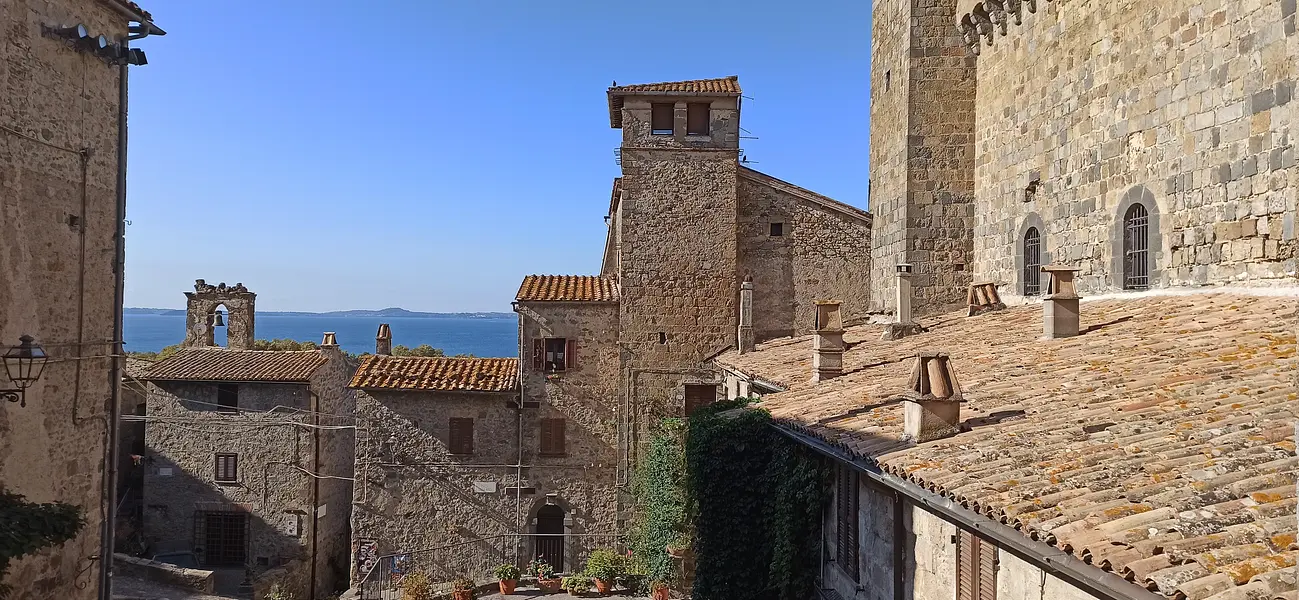
Village of Bolsena
Bolsena is the queen of the lake of the same name. A treasure chest of inestimable historical, cultural and scenic value in the heart of what was once a volcanic complex known as Vulsino.

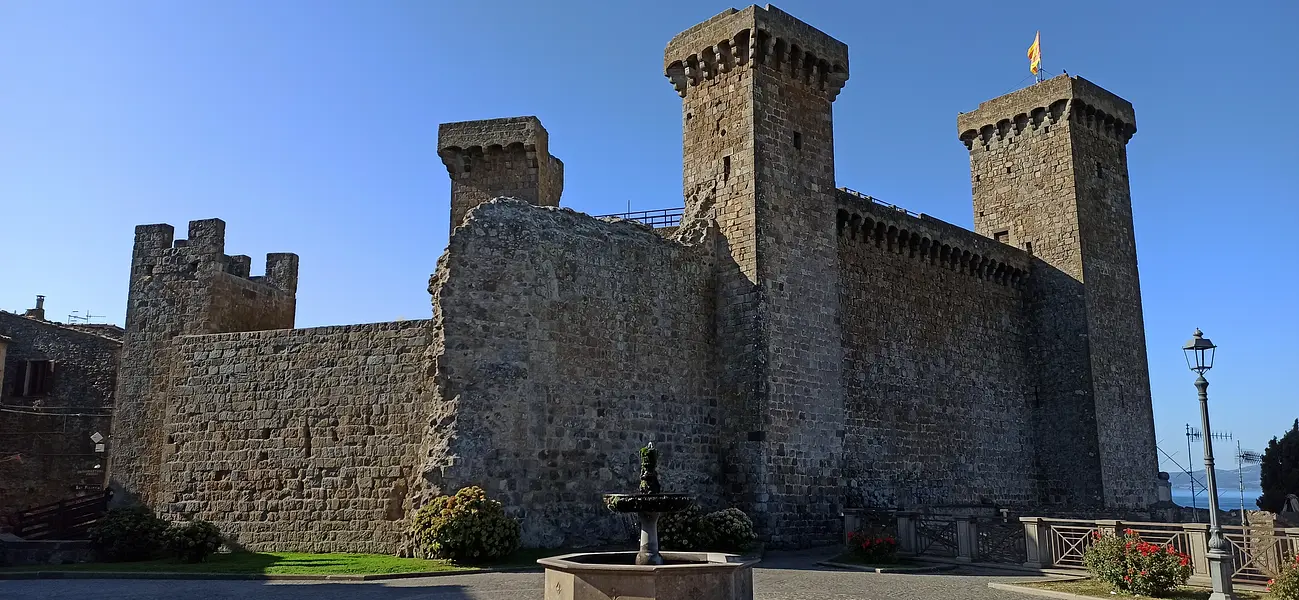
Monaldeschi Fortress of Bolsena
With a single admission ticket you can visit not only the Rocca Monaldeschi, one of the symbols of the historic town of Bolsena, but also the Museum and Aquarium it houses inside.

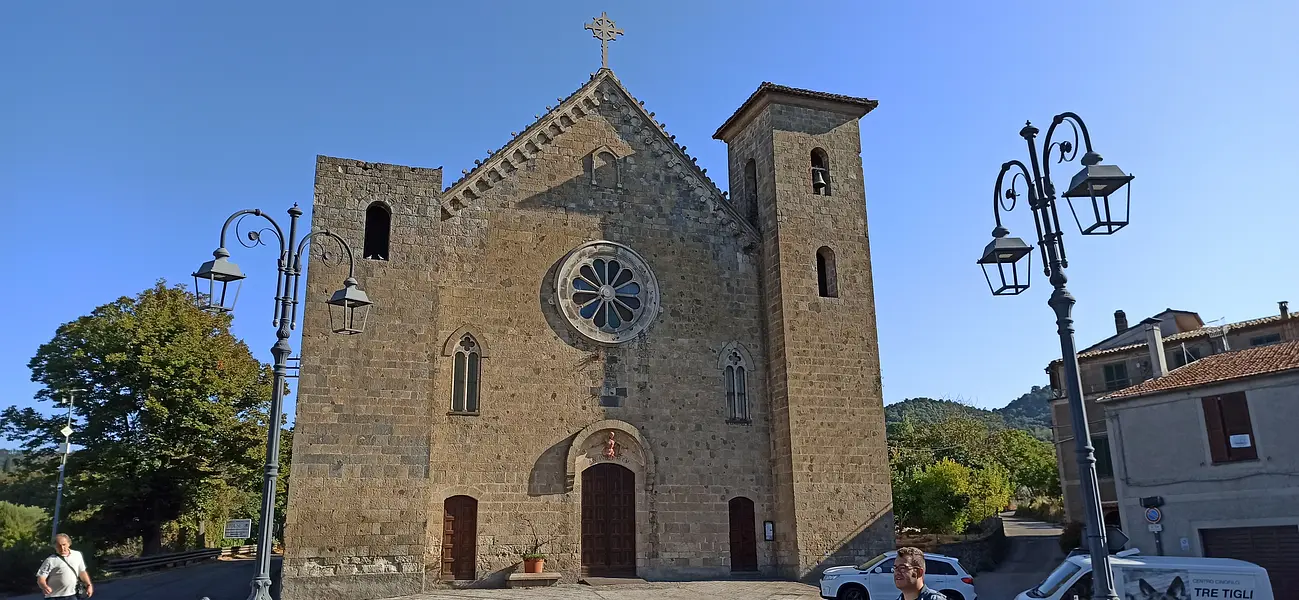
Church of San Salvatore in Bolsena
The church, an example of neo-Romanesque style erected in the early 20th century, dominates the charming village of Bolsena together with the Rocca Monaldeschi.

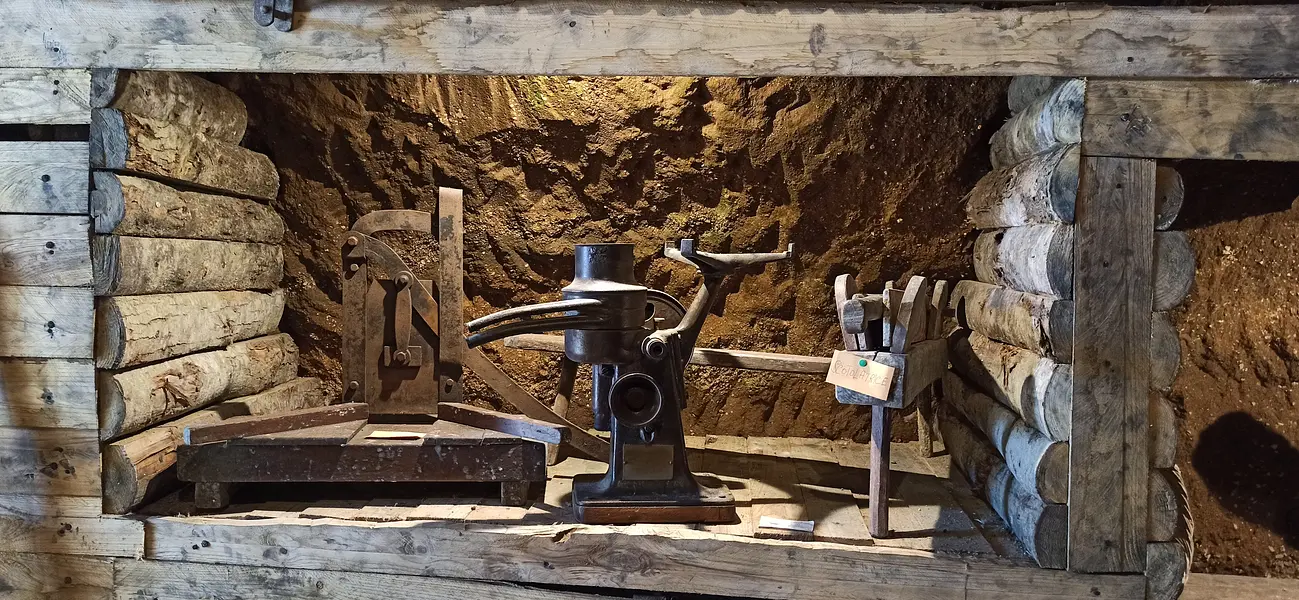
Museum of Rural Civilization of Celleno
Thousands of objects from the rural life of yesteryear have been displayed in underground rooms and chambers carved out of old buildings in the ghost town of Celleno, in the heart of Tuscia viterbese.

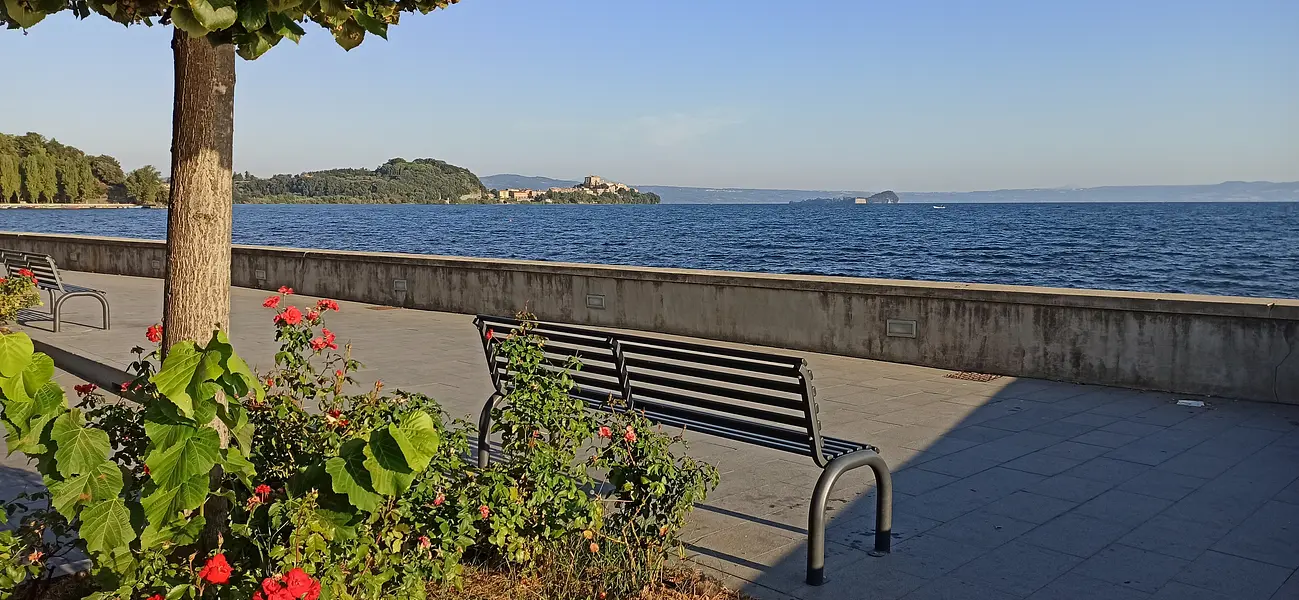
Capodimonte
The historic center of Capodimonte stands on a promontory overlooking the volcanic Lake Bolsena, almost as if it were a ship made of historic stone buildings, including the beautiful Rocca.

The Village of Bomarzo
Not only the Forest but also the Borgo of Bomarzo is worth knowing and visiting. Small ravines and secret alleys will lead you to the heart of one of the most charming stone villages of Tuscia viterbese.

The Fortress of the Popes of Montefiascone
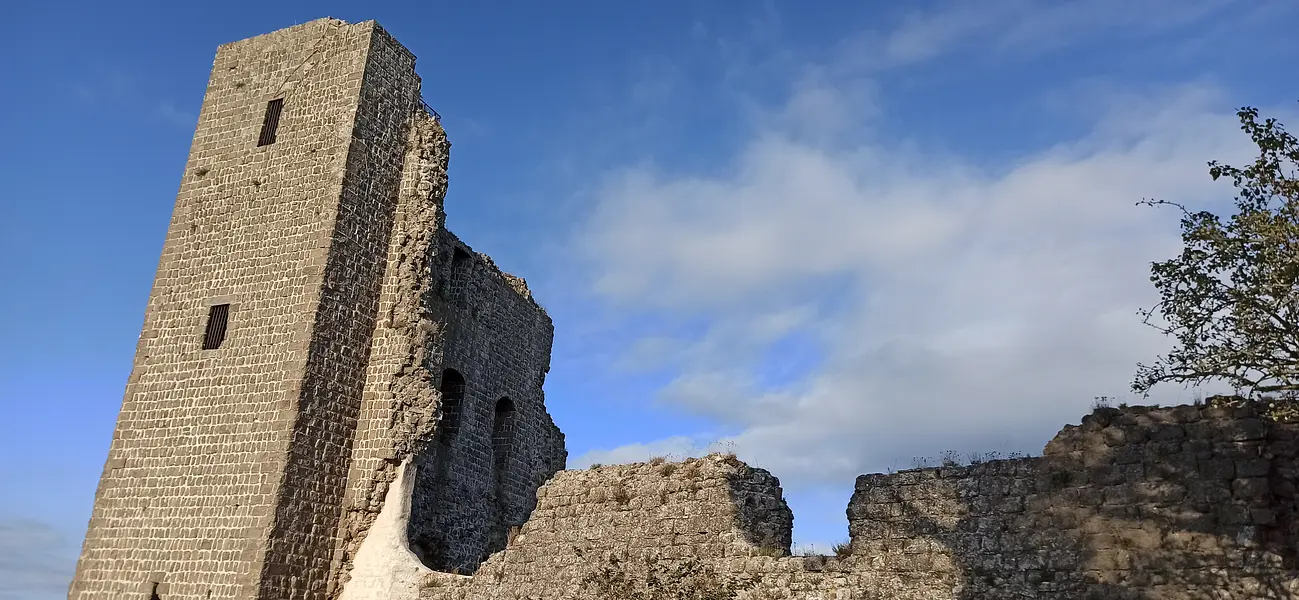
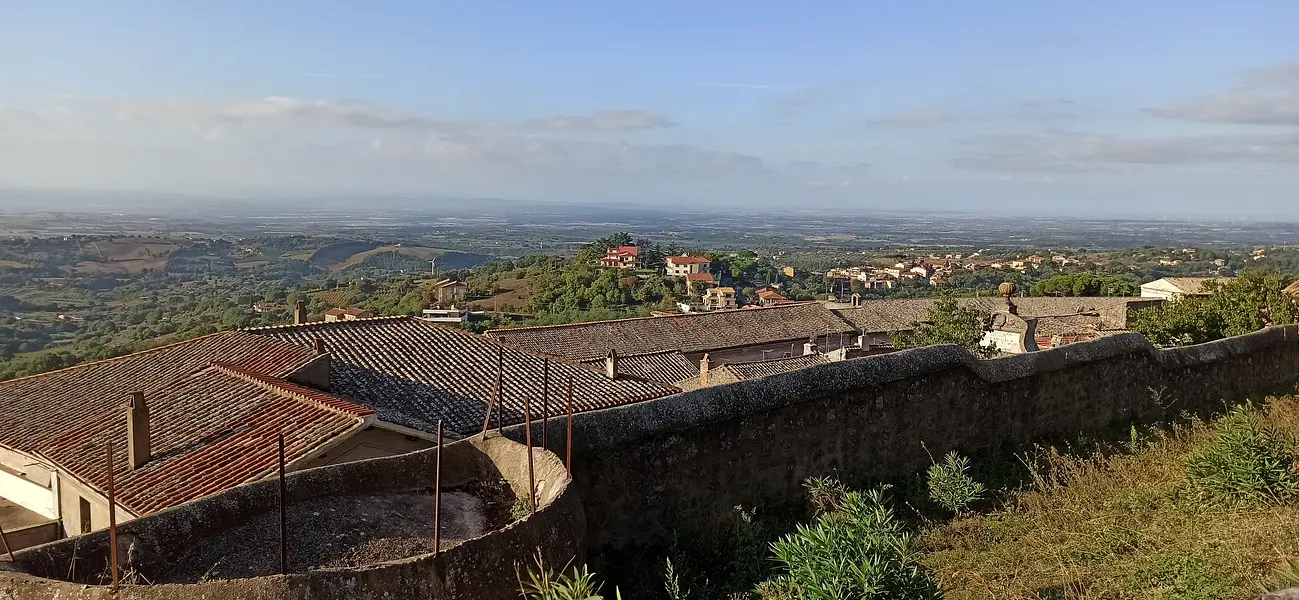
The Rocca dei Papi stands on the highest point of the town of Montefiascone (633 m), in an extraordinary landscape setting, between the hills of Tuscia viterbese and the volcanic lake of Bolsena.

Fortress Park in Montefiascone
At the highest point of Montefiascone, before accessing the Rocca dei Papi, there is a beautiful park, with original gardens dating back to the 18th century, where you can rest in the shade of centuries-old trees.

Pilgrim's monument on the Via Francigena
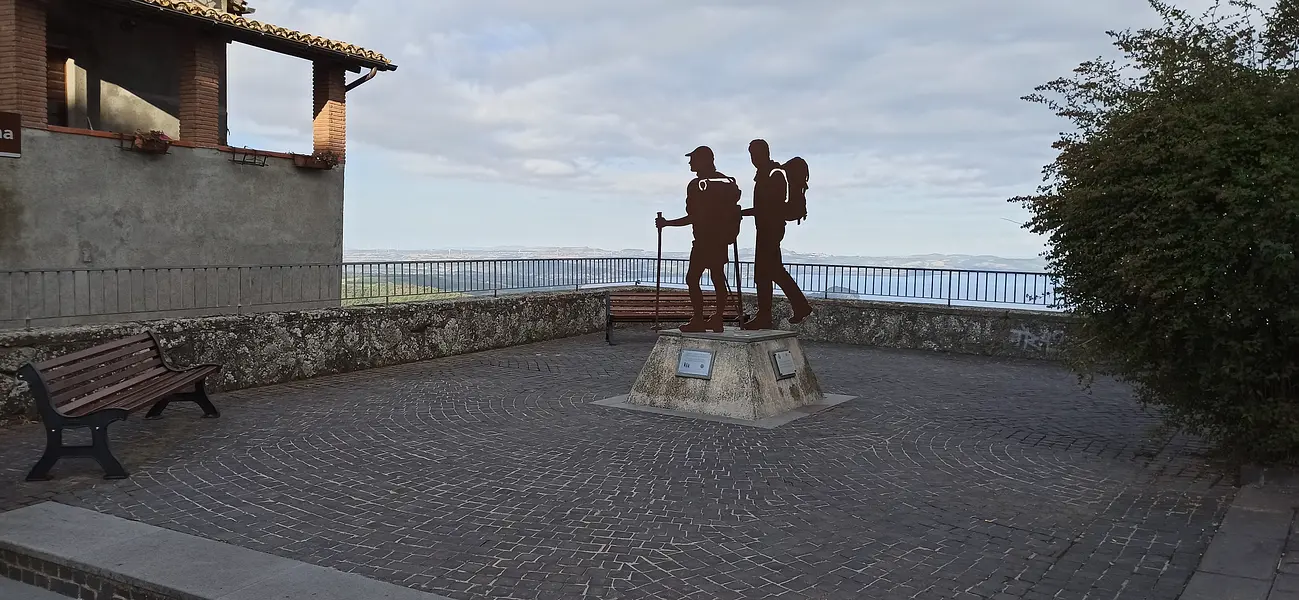
In the forecourt of the Rocca dei Papi in Montefiascone, a terrace with a panoramic view of Lake Bolsena houses the Pilgrim's Monument, an obligatory stop for those traveling the Via Francigena.

Waterfront of Marta
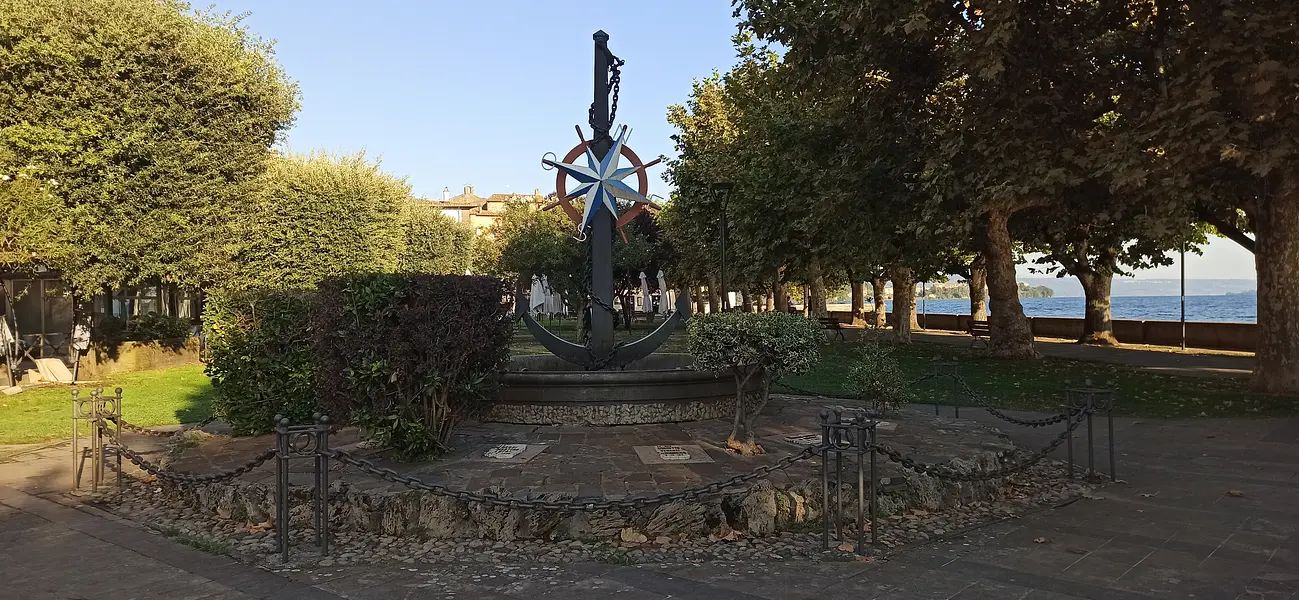
On Marta's lakefront, which ties together the beautiful black volcanic sand beaches, the harbor, and the historic town center, we encounter a monument, the symbol of the "Fishing Village."

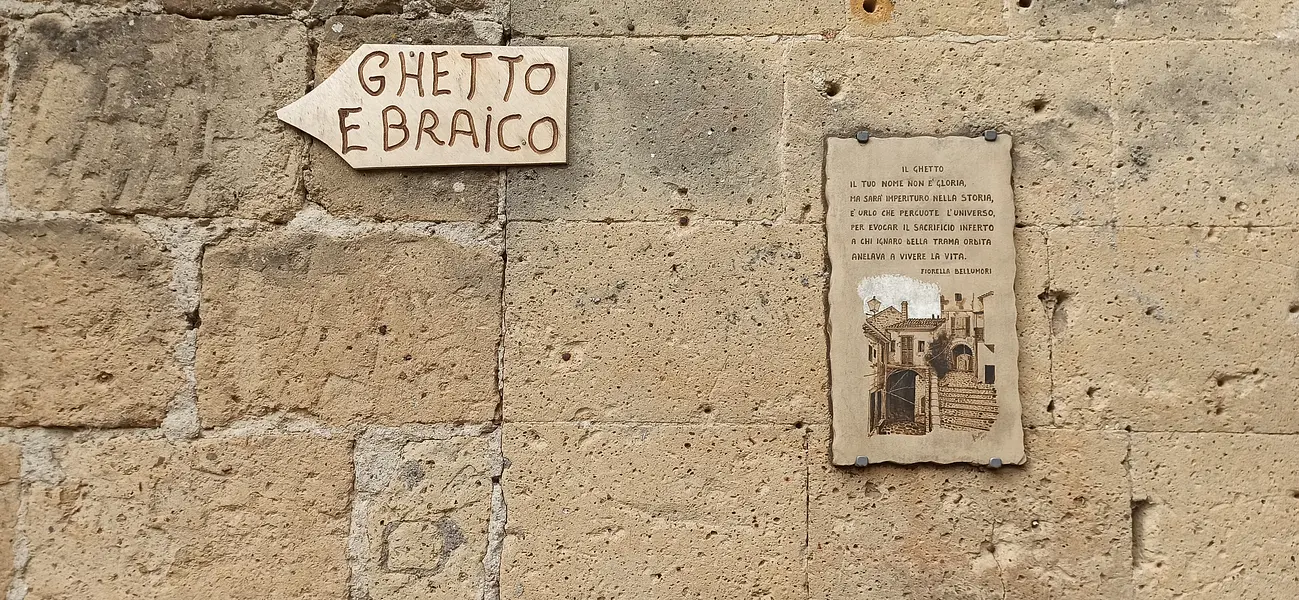
Ancient Jewish Quarter of Sorano
As you walk through the impervious, paved streets of the historic village of Sorano you will encounter plaques on the facades of some of the buildings. One indicates the old Jewish quarter to which we are headed.

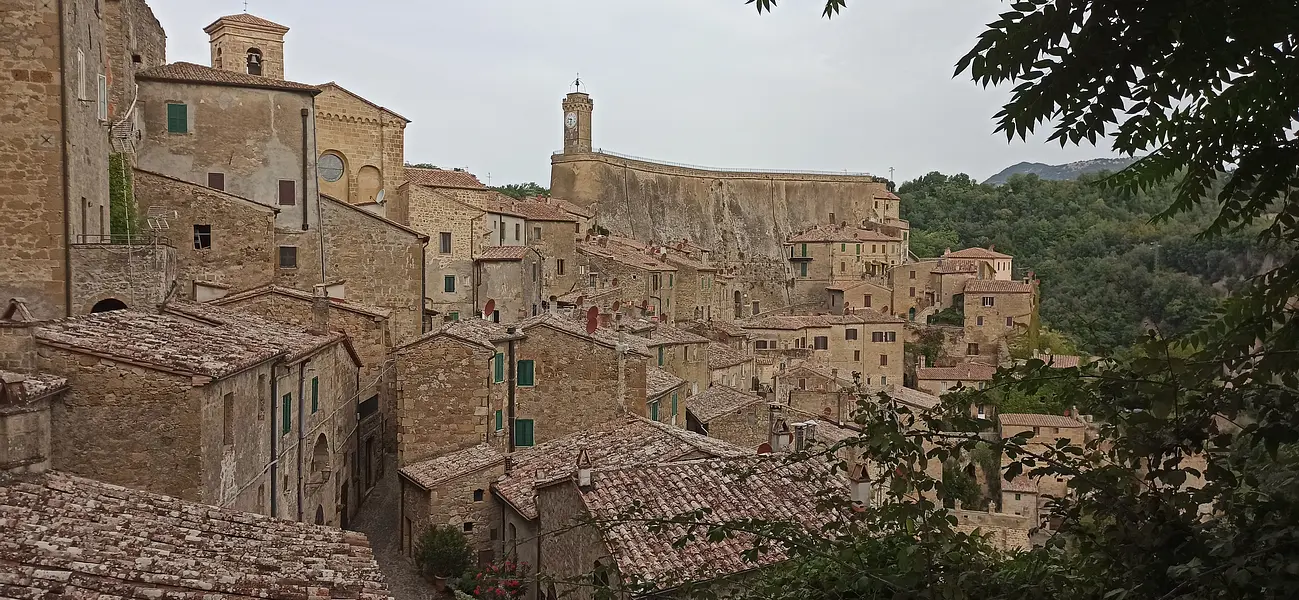
Leopoldine Boulder in Sorano
Erected probably as early as the 9th century, consolidated and leveled later in the 19th century, it is one of the symbols of the town of Sorano. On it, a panoramic terrace and a crenellated turret with a clock.

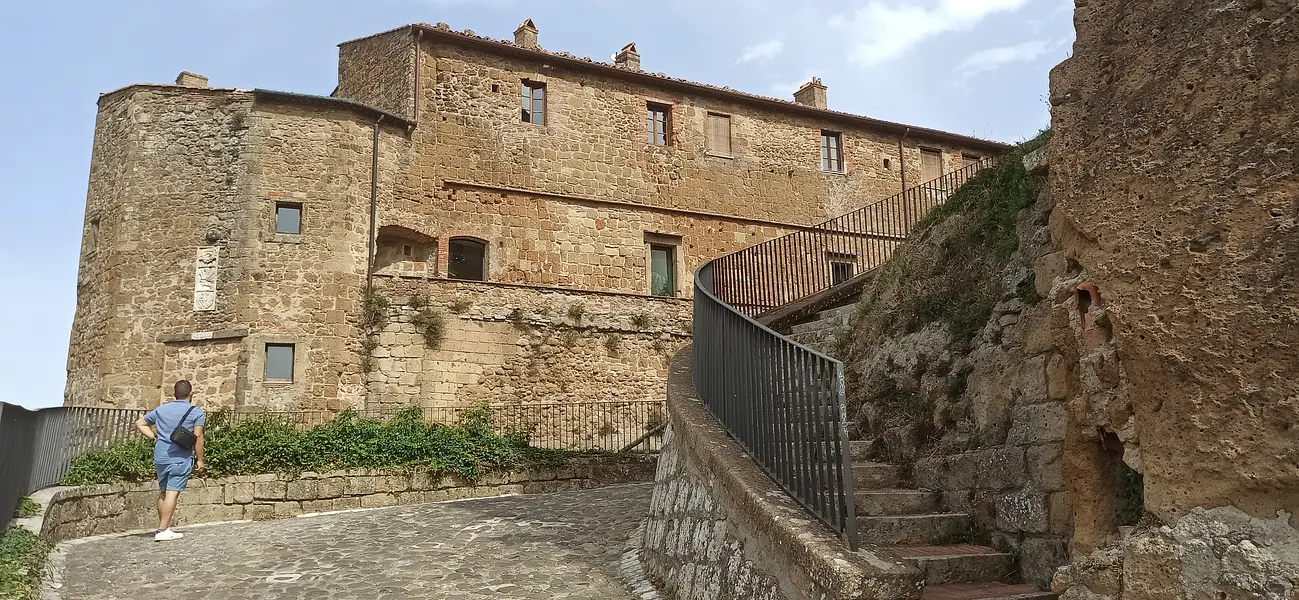
Orsini Fortress in Sorano
The fortress stands at the highest point of the town of Sorano and dominates the historic village, huddled at its feet. Built by the Aldobrandeschi family in the 12th century, it is one of the symbols of the town.

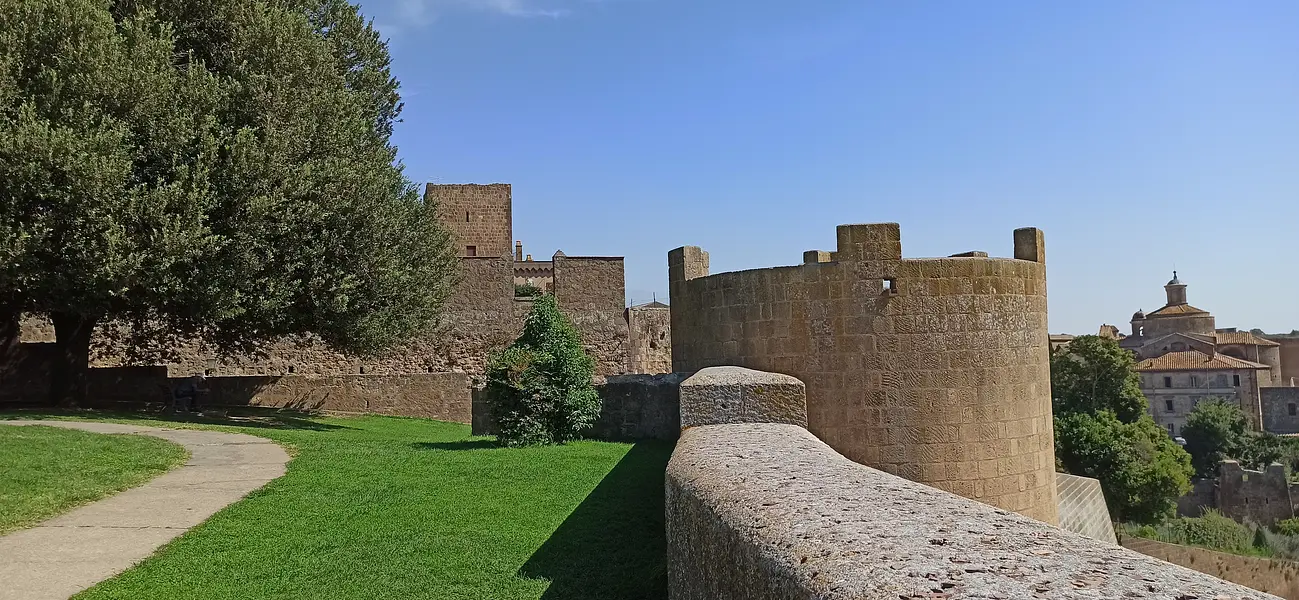
Tor di Lavello Park in Tuscania
One of the most spectacular parks in Tuscia viterbese, overlooking San Pietro hill and the ruins of the old castle on one side and the city walls on the other. Green heart of the city of Tuscania.

Fountain of the Seven Spouts in Tuscania
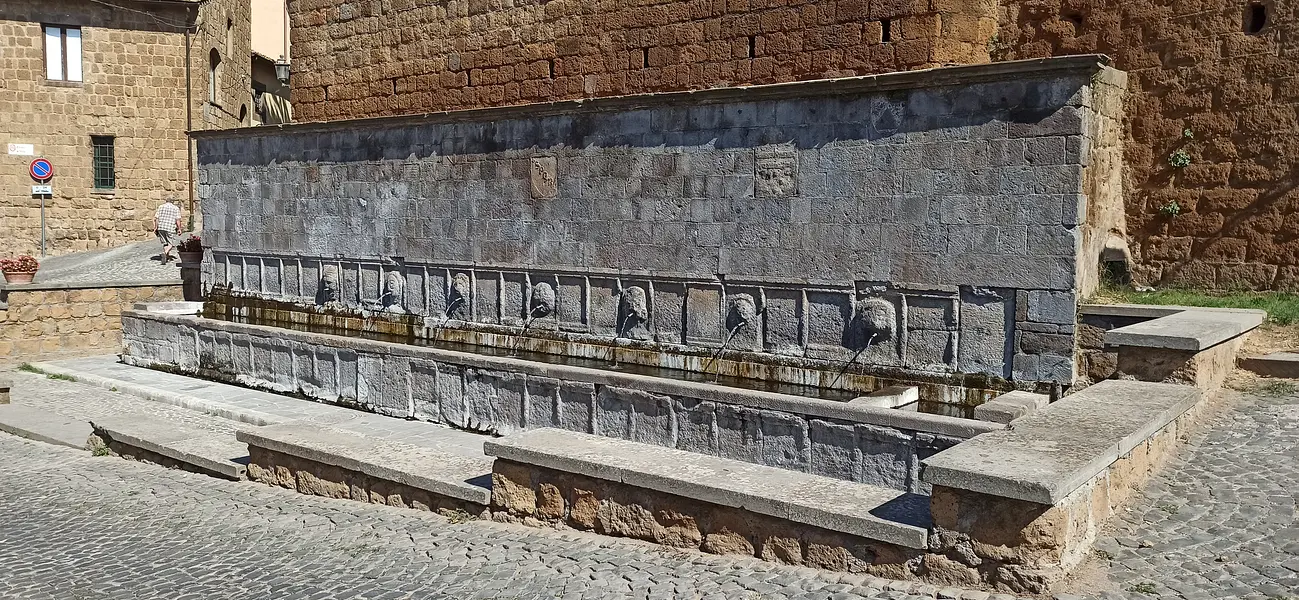
In an intimate little square, we discover a fountain, finished construction in 1309, which still bears the coats of arms of ancient noble families. The water gushes clear from seven masks.

Section of the Via Clodia in Tuscania
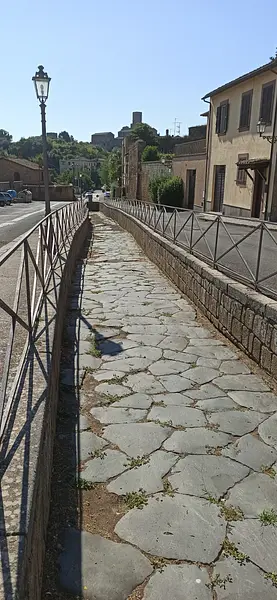
As we head from the city center toward St. Peter's Hill, a deep gash opens up from the road surface on what was an artery of the road system in Roman times: the Via Clodia.

San Pellegrino, the medieval quarter of Viterbo
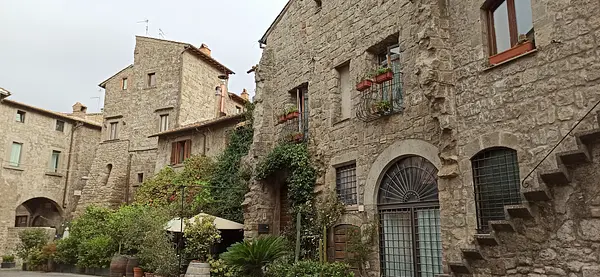
In a city severely damaged by World War II, a medieval quarter that now has the reputation of being one of the largest in Europe was saved: the medieval heart of Viterbo.

The hollow ways of Sorano
Sorano, surrounded by tuff hills covered in dense vegetation, hides secrets of the Etruscan world, such as the Vie Cave or Cavoni, an ancient road network between the villages of Pitigliano, Sorano and Sovana.